I’ve always had a soft spot for the quiet magic of plants—how they stretch toward the sun, how they transform a patch of dirt into something beautiful. My first real garden was a mess of trial and error, but those early failures taught me more than any guidebook ever could. Now, I’m here to share the lessons I’ve learned, the tricks that actually work, and the joy of watching something grow—whether it’s a seedling or your confidence in the dirt.
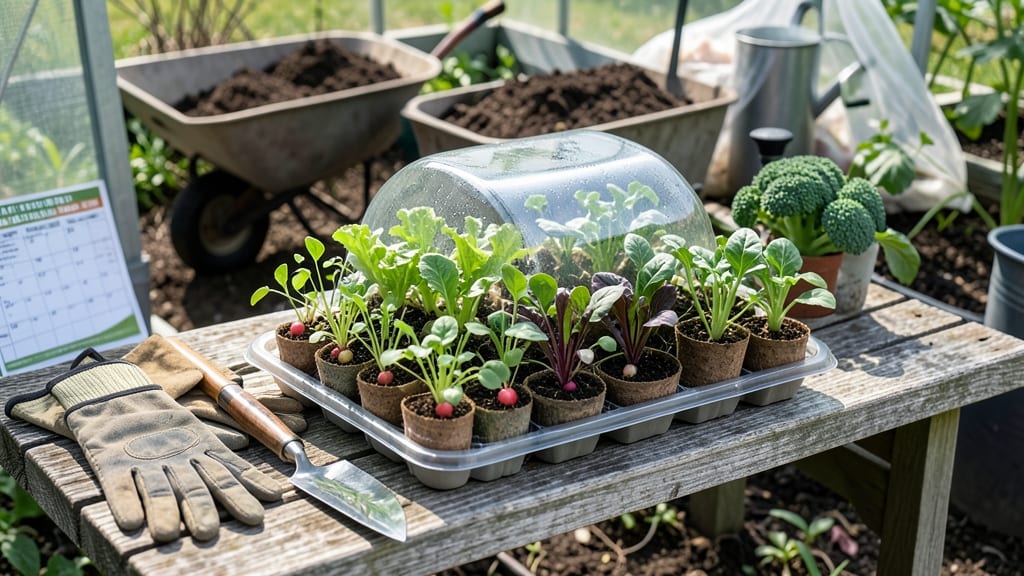
To plant veggies in Michigan, timing is everything—especially when the last frost date can swing by two weeks depending on whether you're in the Upper Peninsula or down near Detroit. Michigan’s unpredictable spring…
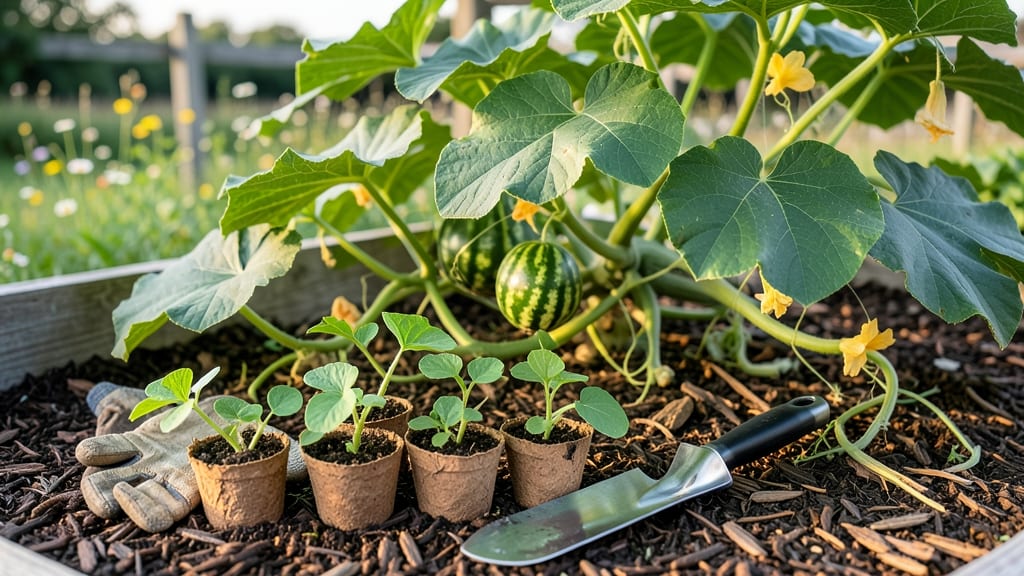
To plant watermelon in Oregon, aim for after the last frost date—typically mid-May in most zones—but wait until soil warms to at least 70°F for strong growth. Oregon’s diverse microclimates—from coastal fog to…
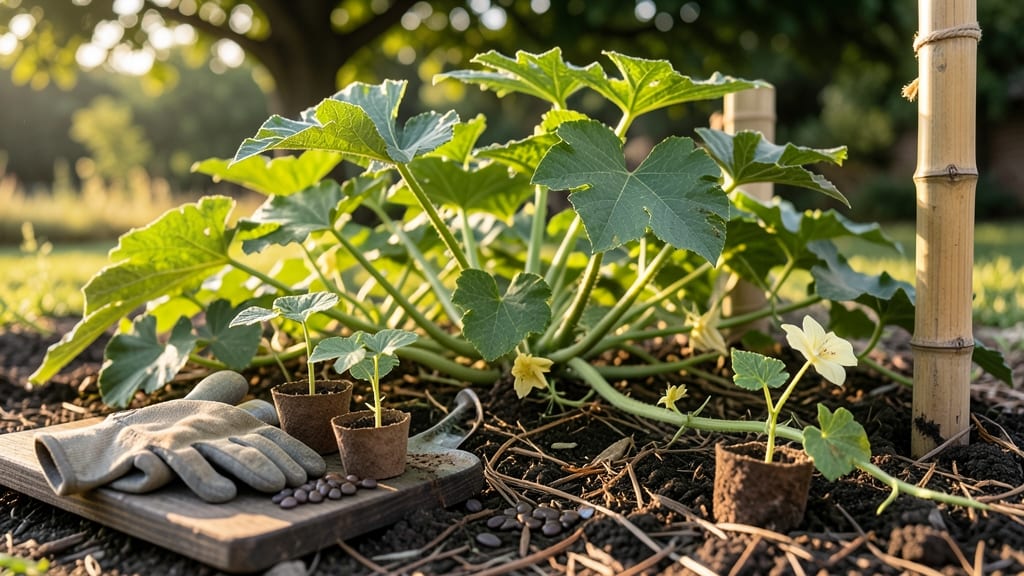
Planting watermelons in South Carolina after the last frost and when soil reaches 75°F ensures fast germination and a bountiful harvest 🍉. Timing is everything—get it wrong, and you’ll either lose seedlings to late…
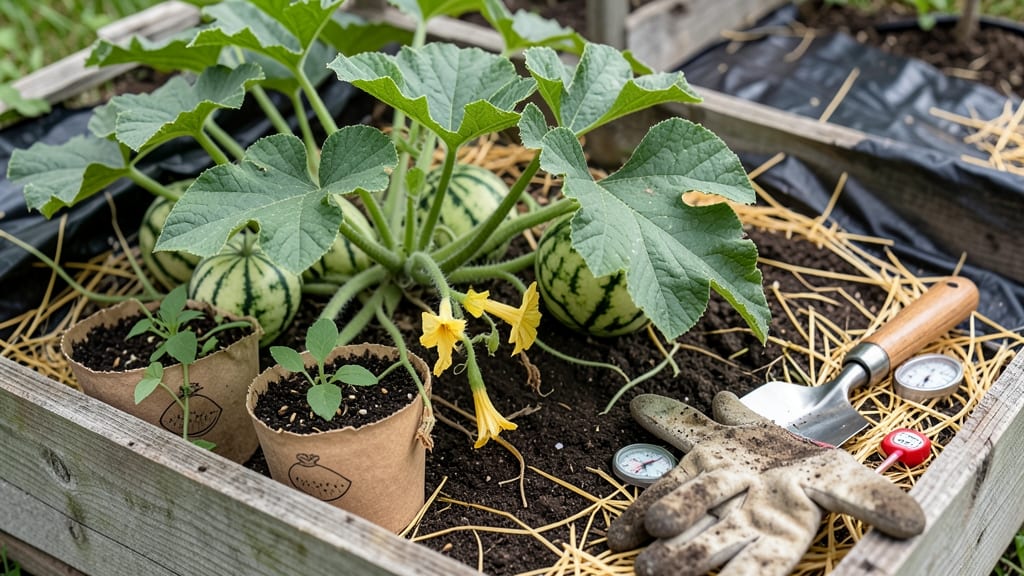
To plant watermelon in Utah, wait until after your last frost—typically mid-April in Salt Lake City or late March in St. George—when soil temperatures hit 70°F+ 🍉. Utah’s hot summers and short growing season demand…
Planting wildflower seeds in Illinois at the right time is the key to a thriving meadow 🌼 — aim for late winter to early spring or late summer to early fall for best results. If you’ve ever scattered seeds only to watch…
Planting wildflower seeds in Oklahoma at the right time ensures vibrant blooms and thrives in the state’s unique climate zones. Oklahoma’s diverse climate—from humid summers to chilly winters—makes choosing the right…
Planting wildflower seeds in Virginia at the right time ensures vibrant blooms and healthy growth 🌼 — aim for late winter to early spring or late summer to early fall for best results. Timing matters more than you might…
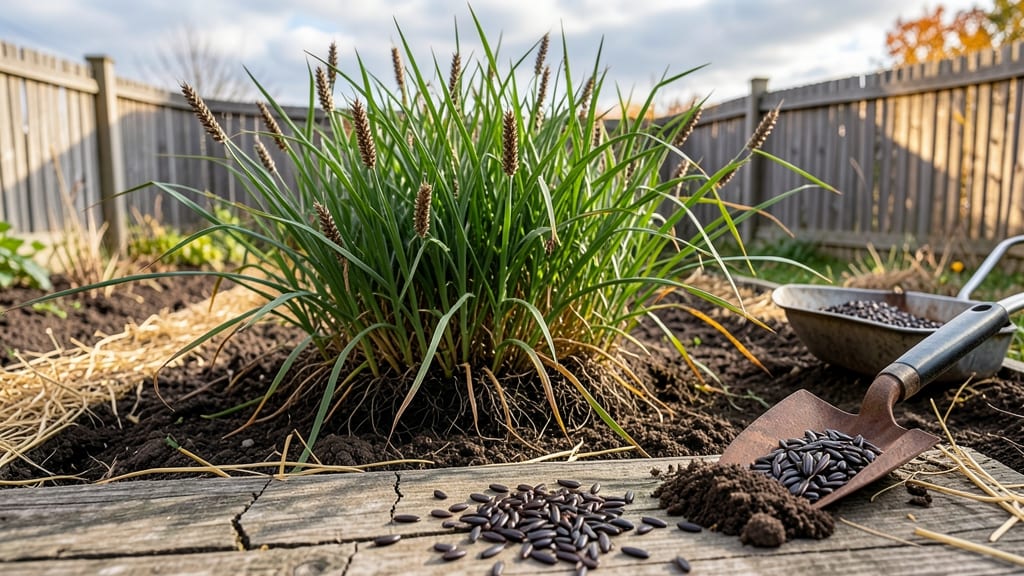
Planting winter rye in Georgia between mid-October and early November ensures it establishes strong roots before winter’s chill—critical for a cover crop that thrives in USDA zones 7b-8b . Georgia’s warm winters and…
Planting winter rye in Wisconsin between late summer and early fall ensures it establishes strong roots before the first frost 🌱—a critical window for protecting soil and improving next year’s garden. Wisconsin…
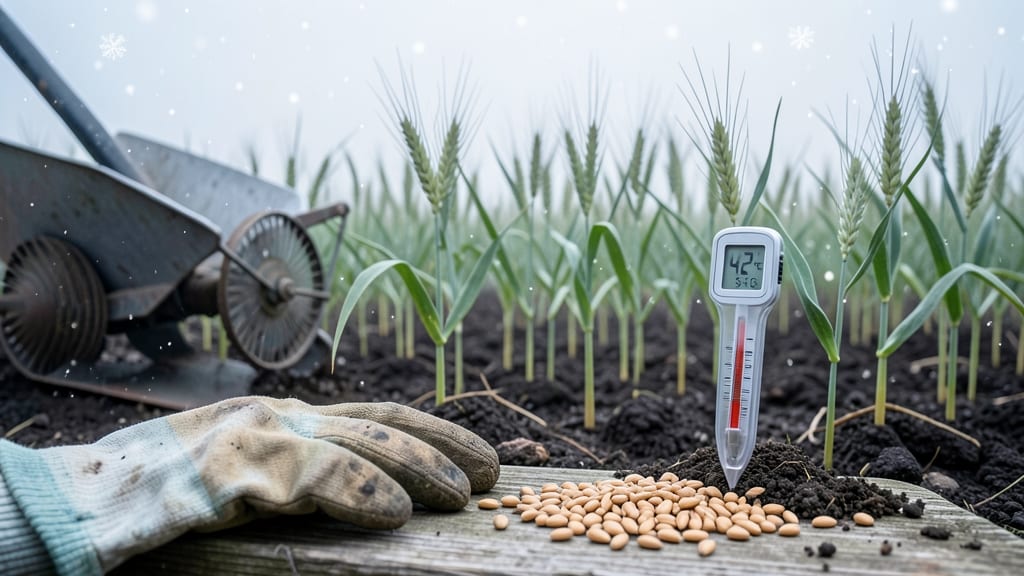
Plant winter wheat in Wisconsin between late August and early October to give it time to establish roots before the first hard frost hits. Get this wrong, and you risk weak seedlings that won’t survive the winter—or…