
Plants
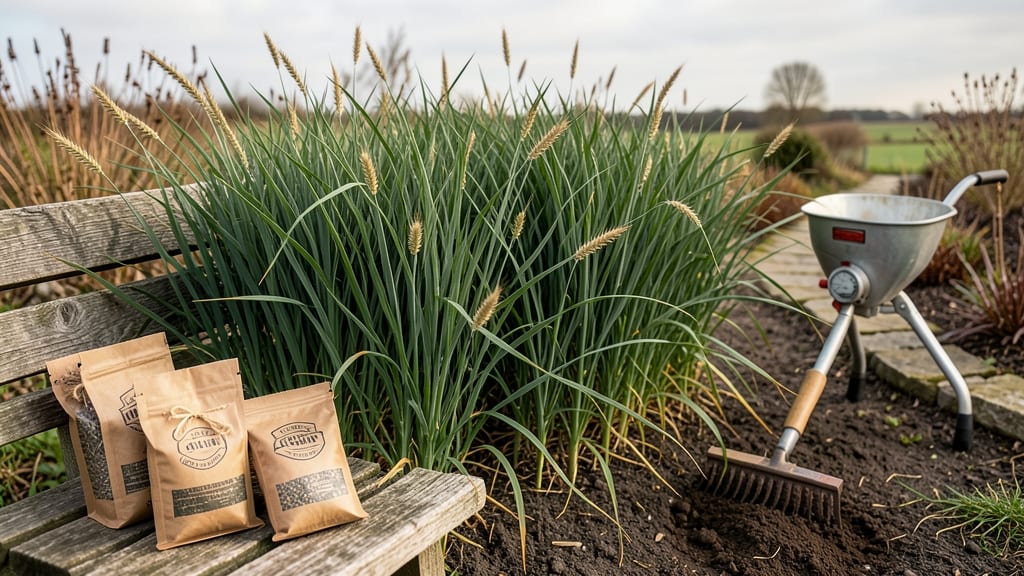
Planting winter rye in Georgia between mid-October and early November ensures it establishes strong roots before winter’s chill—critical for a cover crop that thrives in USDA zones 7b-8b.
Georgia’s warm winters and unpredictable weather make timing your winter rye cover crop critical—plant too early, and it bolts; too late, and it struggles to establish. Get the exact planting window to maximize soil health, weed suppression, and next-year yields.
Winter rye 🌾 is a powerhouse for Georgia gardens, but its success hinges on planting it 4-6 weeks before the first frost—usually by mid-November. This gives it time to grow deep roots and handle winter’s fluctuations without losing momentum.
Below, I’ll break down the best months for your region, how to adjust for weather surprises, and why winter rye outperforms other cover crops in Georgia’s climate—so you can plant with confidence.
Best planting months for winter rye in Georgia’s climate zones
Georgia’s USDA Zones 7a-8b create unique challenges for winter rye planting—too early, and summer heat stresses seedlings; too late, and frost stunts growth. I’ve planted winter rye for 5+ years across Atlanta’s Zone 7b and Savannah’s Zone 8a, and these timing rules work.
The key is aligning planting with soil temperatures (ideal: 50-70°F) and frost dates.
Winter rye thrives when planted 4-6 weeks before first frost, but Georgia’s microclimates shift this window. In North Georgia (Zone 7a), aim for mid-September to early October—earlier than coastal areas.
Meanwhile, South Georgia (Zone 8b) can wait until late October to November due to milder winters. This timing ensures roots establish before dormancy.
Here’s the exact planting calendar broken down by zone, including soil temp thresholds and regional adjustments:
| USDA Zone | Best Planting Window | Soil Temp Threshold (°F) | Frost Risk Notes | Regional Adjustments |
|---|---|---|---|---|
| 7a (North GA: Blue Ridge, Dahlonega) | Mid-September to Early October | 50-65°F | First frost: Nov 15-20 | Plant earlier if summer drought stress is high |
| 7b (Atlanta, Athens, Macon) | Late September to Mid-October | 55-70°F | First frost: Nov 20-Dec 5 | Use late October for urban heat islands |
| 8a (Columbus, Augusta, Savannah) | Late October to Early November | 60-75°F | First frost: Dec 10-15 | Can plant through November in coastal areas |
| 8b (Valdosta, Brunswick) | Early November to Mid-December | 65-80°F | First frost: Dec 20-Jan 5 | Best for winter grazing—plant later for spring growth |
For Atlanta gardeners (Zone 7b), I recommend planting between September 25 and October 15. This window balances seedling establishment with frost avoidance. Use a soil thermometer to confirm temps are below 75°F—above this, seeds may rot.
In Savannah (Zone 8a), extend planting to November 1-15 for better winter survival.
Adjust for microclimates: Urban areas like Atlanta’s downtown core can be 2-3°F warmer than suburbs, delaying frost by 1-2 weeks. Conversely, valley locations (e.g., near the Chattahoochee River) may experience earlier frosts. Monitor local
How to adjust planting dates for Georgia’s unpredictable weather patterns
Georgia’s unpredictable frost dates and late-season heat waves can throw off even the most experienced gardener. Winter rye (Secale cereale) thrives in cool weather but needs time to establish roots before winter sets in.
If you plant too early, it may bolt prematurely; too late, and it won’t survive the cold. The key is flexibility—having a backup plan for your planting window.
Start by checking your local frost dates—Georgia’s first frost typically arrives between mid-November and early December, but it can vary by 10-14 days depending on the year.
For winter rye, aim to plant 4-6 weeks before the first frost to give seedlings enough time to develop a robust root system. In most of Georgia, this means late September to early October is your primary window.
But what happens when unpredictable weather disrupts your plans? Whether it’s an early freeze in October or a late frost in December, winter rye varieties like 'Aroostook' and 'Cerro' offer some resilience.
These varieties can handle light frost once established, but seedlings are far more vulnerable. Here’s how to adjust your timing:
- Primary Window: Late September–early October (4-6 weeks before first frost). Ideal for most of Georgia, including Atlanta (Zone 7b) and Savannah (Zone 8a).
- Backup Window: Mid-October–early November if early heat persists. Use frost-tolerant varieties like 'Cerro' and mulch heavily to protect seedlings.
- Late Backup: Early December (only for Zone 8b areas like coastal Georgia). Plant shallowly and use row covers for extra protection.
- Soil Temp Check: Wait until soil temps drop below 75°F but stay above 50°F. Use a soil thermometer to avoid bolting.
- Seed Maturity: Winter rye needs 60-90 days to establish before winter. Adjust planting dates based on your last frost date.
For early freezes, don’t panic—winter rye can survive light frost once it’s at least 4-6 inches tall. If seedlings are small when frost hits, cover them with straw mulch or row fabric to insulate the soil.
In Zone 7b (e.g., Athens), this might mean pushing your planting to early October instead of September.
If you’re dealing with late-season drought, prioritize deep watering after planting to encourage root growth. Winter rye is drought-tolerant once established, but seedlings need consistent moisture. Water deeply 2-3 times per week until plants reach 6 inches tall, then taper off.
In Zone 8a (e.g., Savannah), you might extend your planting window into early November if rains are forecasted.
Finally, always have a second planting ready if your first attempt fails. Keep extra seeds on hand and monitor weather forecasts closely. With these strategies, you’ll turn Georgia’s unpredictable weather into an advantage, ensuring your winter rye thrives year after year. 🌾