
Plants
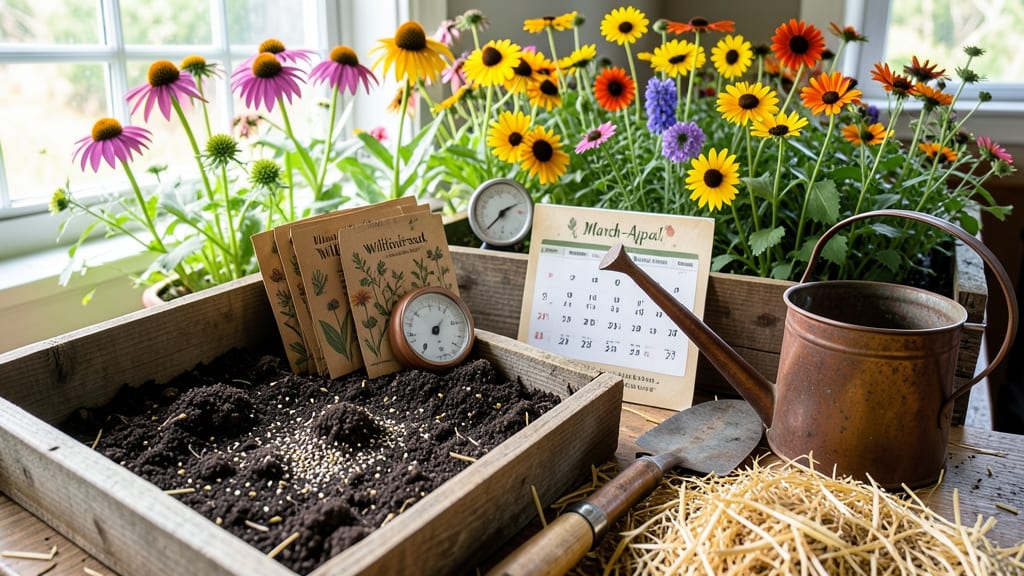
Planting wildflower seeds in Illinois at the right time is the key to a thriving meadow 🌼 — aim for late winter to early spring or late summer to early fall for best results.
If you’ve ever scattered seeds only to watch them disappear under snow or struggle through a heatwave, you know timing matters. Illinois’s USDA Zones 5-6 bring unpredictable frost dates and shifting seasons, so planting too early or late can leave your wildflowers fighting for survival.
Spring planting after the last frost (around April 15) gives seeds a head start, while fall sowing in August-September lets them establish roots before winter. Both windows work, but each has its own tricks for Illinois soils and native species.
Below, I’ll break down the exact months to plant by zone, soil prep tips for clay-heavy ground, and the top 5 native wildflowers that bloom reliably when timed right. Ready to turn your landscape into a pollinator paradise?
Best planting windows for Illinois wildflowers by USDA Zone 5-6
Timing is everything when planting wildflowers in Illinois, especially since USDA Zones 5-6 experience freezing winters and variable spring conditions.
Northern Illinois (Zone 5) typically has earlier frost dates than southern Illinois (Zone 6), so I’ll break down the best windows for both regions. Annual wildflowers and perennials have different needs, so pay close attention to their unique schedules.
For most Illinois wildflowers, the optimal planting windows are late winter to early spring (March–April) or late summer to early fall (August–September).
Spring planting gives seeds time to establish roots before summer heat, while fall planting allows them to germinate early in mild weather. Northern Illinois should plant slightly earlier than southern Illinois due to colder microclimates.
Here’s the key difference: Annual wildflowers (like cosmos or zinnias) thrive when sown after the last frost (typically mid-April in Zone 5 and late March in Zone 6). Perennial wildflowers (such as purple coneflower or black-eyed Susan) often need fall sowing to establish strong root systems before winter dormancy.
🌱
If you’re planting in northern Illinois (Zone 5), aim for late August to mid-September for fall sowing, as temperatures drop faster.
In southern Illinois (Zone 6), you can extend planting until early October without risking frost damage. Microclimates (like urban heat islands or sheltered valleys) can shift these windows by 1–2 weeks, so always check local frost dates.
For annual wildflowers, I recommend direct sowing after the last frost date (usually mid-April in Zone 5 and late March in Zone 6).
These seeds germinate quickly in warm soil, so don’t wait too long—May sowings may struggle with summer heat. Perennials, on the other hand, benefit from fall planting because their roots establish before winter, giving them a head start in spring.
One common mistake is planting too early in spring when soils are still cold and wet. Seeds may rot or fail to germinate. To avoid this, test soil temperature—ideal germination occurs at 60–70°F. Use a soil thermometer or wait until daytime temps consistently reach 55°F before sowing spring seeds.
🌿
For large-scale wildflower projects, like restoring prairie land, I suggest stratifying seeds (mimicking winter conditions) if planting in fall. This breaks seed dormancy and improves germination rates. Scatter seeds thinly over prepared soil, then lightly rake to ensure good soil contact.
Avoid burying seeds too deep—most wildflowers need light to germinate, so keep them no deeper than ¼ inch below the surface.
Finally, remember that Illinois’ unpredictable weather can shift planting windows. If you miss the ideal window, don’t panic—many wildflowers can be sown in early spring (as soon as soil is workable) or even late summer for a fall display. Just adjust your expectations for flowering times accordingly.
☀️
How to prepare Illinois soil for wildflower success (Zone-specific tips)
Illinois’ clay-heavy soils present unique challenges for wildflower establishment, but with the right preparation, you can create the perfect foundation for a thriving meadow. Native wildflowers like black-eyed Susan and purple coneflower thrive when soil is loose, well-draining, and rich in organic matter.
The key is breaking up compaction and balancing moisture retention without suffocating roots.
Start by testing your soil’s pH level—most Illinois wildflowers prefer a slightly acidic to neutral range of 6.0 to 7.0. Use a simple soil test kit available at garden centers, or send a sample to your local University of Illinois Extension office for professional analysis.
Amending the soil based on these results is critical for success, especially in heavy clay areas.
⚠️ callout-warning
While organic matter is essential, fresh manure can burn wildflower seeds and disrupt soil microbes. Instead, use composted cow manure or well-rotted leaf mold to improve soil structure without risking seed damage. For clay soils, mix in sand or perlite (20-30%) to enhance drainage while retaining moisture.
To improve drainage in clay-heavy soils, till the top 6 to 8 inches of soil and mix in 2 to 3 inches of compost or aged wood chips. For larger areas, consider using a broadfork to loosen soil without disrupting the natural soil structure.
This method mimics the aeration that occurs in natural prairie ecosystems, giving wildflower roots room to establish.
Native soil amendments like prairie hay or chopped native grasses can also be beneficial. These materials introduce beneficial fungi and bacteria that wildflowers rely on for nutrient uptake. Spread a thin layer (1/4 inch) over the prepared soil and lightly rake it in before planting.
This mimics the natural seedbed conditions found in Illinois’ native prairies.
After amending, create a fine seedbed by raking the soil to a smooth, firm surface. This ensures good seed-to-soil contact, which is critical for germination. For clay soils, consider creating shallow ridges (1/2 inch high) to help water drain away from seeds and prevent rot.
This technique is especially useful in low-lying areas where water pools after rain.
Finally, mulch the prepared area with straw or shredded leaves to protect seeds from erosion and retain moisture. Avoid heavy mulches that can smother emerging seedlings.
Water gently but thoroughly after planting, and avoid walking on the soil until seedlings are at least 2 inches tall to prevent compaction and seed displacement.