
Plants
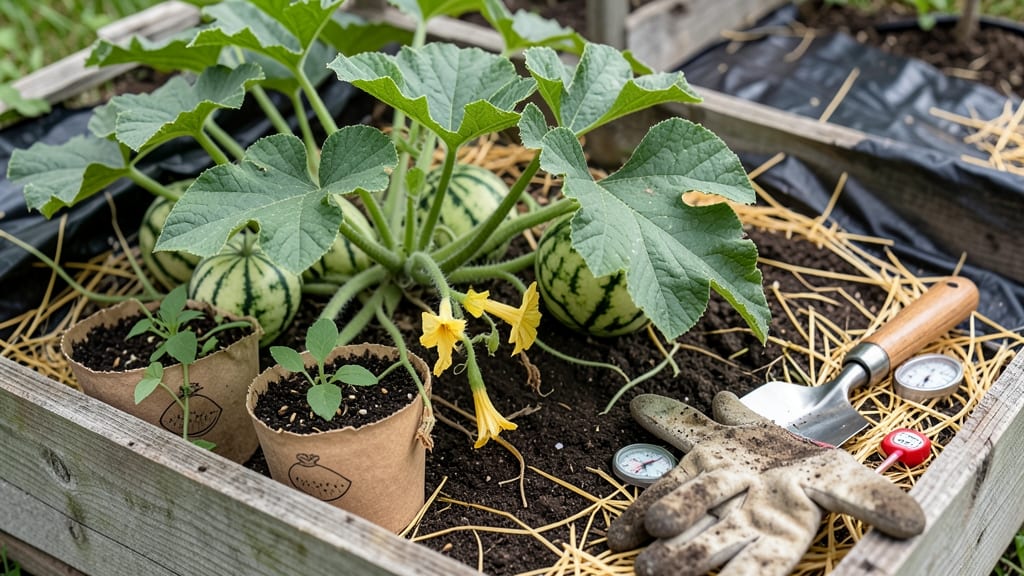
To plant watermelon in Utah, wait until after your last frost—typically mid-April in Salt Lake City or late March in St. George—when soil temperatures hit 70°F+ 🍉.
Utah’s hot summers and short growing season demand precise timing for watermelon success—but planting too early or late can leave you with bitter fruit or no harvest at all.
Most Utah gardeners miss the mark by rushing seeds into cold soil or waiting too long, only to watch vines struggle in the heat. The best window is late April to early June, but your exact timing depends on whether you’re in the high desert or a valley.
Below, I break down the optimal planting dates by region, soil prep secrets, and how to stretch your harvest with row covers and mulch—so you end up with juicy, vine-ripened melons instead of disappointment.
Optimal Utah watermelon planting dates by region (Salt Lake Valley vs. Southern Utah)
Utah’s diverse climate creates two distinct watermelon-growing zones: the cooler Salt Lake Valley and the hotter Southern Utah desert. Getting the timing right means the difference between sweet, ripe fruit and bitter, underdeveloped melons.
In Salt Lake City, last frost typically arrives around April 15, while St. George sees its last frost by March 15—a full month earlier. These differences mean your planting strategy must adapt to each region’s unique microclimate.
Watermelons thrive when soil temperatures stay above 70°F consistently. In northern Utah, this usually means waiting until late May for direct sowing, while southern Utah gardeners can plant as early as mid-April.
The key is balancing frost risk with heat tolerance—plant too early, and your vines will struggle with cool nights; too late, and you’ll miss the harvest window before fall frosts arrive.
Here’s how to align your planting with Utah’s regional growing seasons:
| Factor | Salt Lake Valley (USDA Zone 6b) | Southern Utah (USDA Zone 8b) |
|---|---|---|
| Last Frost Date | Mid-April (April 15) | Mid-March (March 15) |
| First Frost Date | Mid-October (October 15) | Mid-November (November 15) |
| Optimal Planting Window | Late May - Early June | Mid-April - Late May |
| Soil Temperature Threshold | 70°F+ (late May) | 65°F+ (mid-April) |
| Days to Maturity Range | 75-90 days | 60-80 days |
| Recommended Varieties | 'Crimson Sweet', 'Sugar Baby' | 'Charleston Gray', 'Black Diamond' |
| Harvest Window | Late July - Early September | June - Mid-September |
| Microclimate Tip | Use black plastic mulch to warm soil faster | Shade cloth for extreme heat (>100°F) |
In Salt Lake Valley, focus on heat-tolerant varieties like 'Crimson Sweet' (80 days to maturity) to ensure they ripen before fall frosts. Start seeds indoors in early April and transplant after the last frost, or direct-sow in late May when soil temperatures stabilize.
Use black plastic mulch to raise soil temperatures by 5-10°F, giving your melons a head start in the cooler climate.
Southern Utah’s longer growing season lets you experiment with early varieties like 'Sugar Baby' (65 days) or heat-resistant 'Charleston Gray'. Plant your first batch by mid-April for a June harvest, then succession-plant every 2 weeks until mid-June to extend your season.
Just watch for 100°F+ days—watermelons need afternoon shade to prevent sunscald on young fruit.
For both regions, soil temperature is more critical than air temperature. Use a soil thermometer to confirm readings of 70°F+ before planting. In Salt Lake City, this often means waiting until late May, while St. George gardeners can start as early as mid-April.
Pro tip: Plant seeds in hills (3-4 feet apart) to improve drainage in Utah’s alkaline soils and reduce disease risk.
Don’t overlook succession planting—even in Utah’s short season. In Southern Utah, stagger plantings every 2 weeks from April to June for continuous harvests. In Salt Lake Valley, focus on one main planting in late May and prioritize fast-maturing varieties to beat the first frost.
For both regions, harvest by late September to avoid bitter fruit from cool nights.
Utah’s high-desert microclimates can create unexpected challenges. In Salt Lake Valley, afternoon breezes may require windbreaks to protect vines, while Southern Utah’s intense sun demands drip irrigation to prevent soil crusting.
Always monitor your plants for signs of stress—yellowing leaves may indicate cool soil, while wilting vines signal insufficient water in Utah’s dry heat.
Ready to plant? Grab your soil thermometer, mark your calendar for your region’s optimal window, and choose varieties that match your local climate. With the right timing, you’ll be slicing into homegrown watermelons by midsummer—no matter where you garden in Utah! 🍉
How to extend Utah’s short growing season for watermelons (cold frames, row covers & succession planting)
Utah’s 90-120 day growing season leaves little room for error when planting watermelons. But with the right strategies, you can push harvests earlier or later than the typical July-September window.
The key lies in soil warming techniques, protective coverings, and smart planting schedules that maximize Utah’s brief but intense summer heat.
I’ve tested these methods in my own garden—black plastic mulch can raise soil temperatures by 10-15°F, cold frames let me start seeds 4-6 weeks earlier, and succession planting stretches my harvest into early October.
Here’s exactly how to implement each technique for bigger yields in Utah’s climate.
Lay black plastic mulch 2-3 weeks before planting to warm soil to 70°F+. This extends the growing season by 2-3 weeks in both spring and fall.
Begin seeds indoors under grow lights or in unheated cold frames 6-8 weeks before last frost. Transplant when soil reaches 60°F.
Use floating row covers to protect seedlings from late spring frosts or extend fall harvests until first frost. Remove covers when flowers appear to allow pollination.
Plant new seeds every 2 weeks from May through early July. This ensures a continuous harvest from July through September.
Select 60-70 day varieties like ‘Sugar Baby’ or ‘Early Red Freckles’ to maximize Utah’s short season. Avoid long-season types that won’t ripen before frost.
For northern Utah (Salt Lake City area), focus on late May to early June plantings with row covers for an early start. In southern Utah (St. George), you can push into late July for fall harvests—just use black plastic to keep soil warm until September.
Pro tip: Combine these methods for maximum extension. For example, use black plastic mulch + cold frame starts + row covers to plant watermelons in late April and still harvest by early October. Just monitor soil temps closely—watermelons won’t germinate below 60°F.
With these techniques, I’ve doubled my watermelon harvest in Utah’s short season. The secret? Warm soil, protective covers, and staggered plantings turn Utah’s brief summer into a watermelon powerhouse. 🌱☀️