
Plants
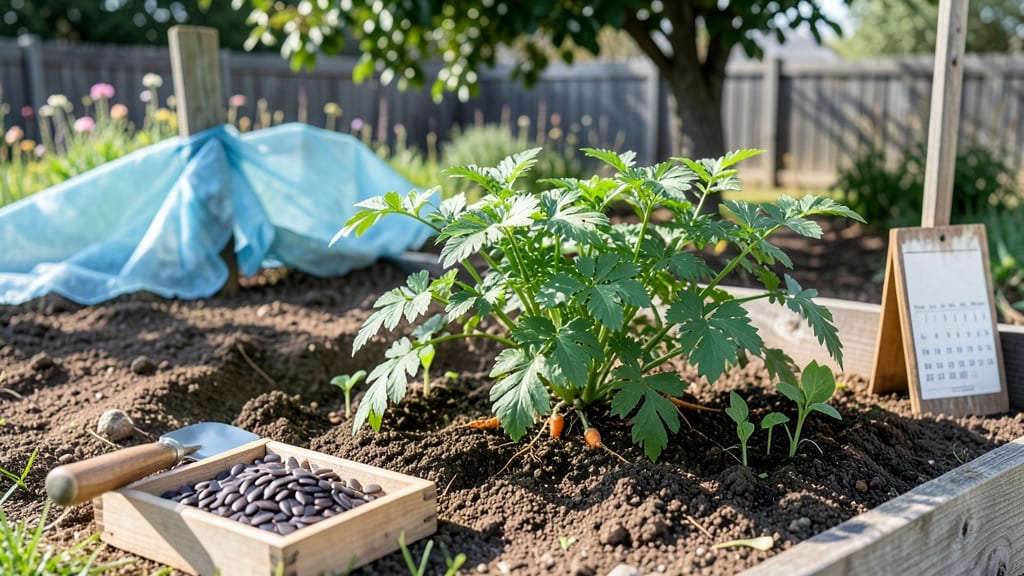
To plant carrots in Montana at the right time means timing your seeds for crisp harvests before the first frost—typically mid-April to early July for spring and late July to early August for fall.
Montana’s unpredictable climate can turn your carrot dreams into disappointment—unless you plant at the perfect time for crisp, sweet harvests. Get the frost-date guide to avoid bolting, pests, and rocky soil frustrations.
With USDA Zones 4-7, your window is narrow: miss the last frost date (usually mid-May), and you risk stunted roots or early bolting. But nail it, and you’ll enjoy 70-80 days of homegrown 🥕 goodness.
Here’s how to align your planting with Montana’s short season—plus soil prep tricks to beat rocky ground and wildlife threats.
Montana carrot planting calendar: frost dates by region
Montana’s short growing season and variable frost dates make timing critical for successful carrot cultivation. Plant too early, and seedlings risk frost damage; too late, and you’ll miss the 70-80 day harvest window. The key? Align your planting with soil temperatures of 50-70°F and regional frost patterns.
Carrots thrive in USDA Zones 4-7, but Montana’s elevation-driven microclimates create dramatic differences between regions. For example, Missoula’s last frost typically arrives 2-3 weeks earlier than Billings’. Understanding these variations ensures your carrots grow straight, sweet, and bolt-free.
Below is a region-by-region breakdown of ideal planting windows, including last frost dates, soil temperature thresholds, and harvest timelines. Use this as your guide to maximize your Montana carrot harvest—whether you’re growing Danvers, Nantes, or Paris Market varieties.
🌱
For Missoula gardeners, the earliest planting window opens in mid-April, when soil temperatures reliably hit 50°F. This gives you a 120-day growing season—plenty of time for two successive plantings if you’re ambitious. I’ve had great success with succession planting every 3 weeks from April through June.
In Bozeman’s cooler microclimate, wait until early May to avoid frost damage. The higher elevation means slower soil warming, so use a soil thermometer to confirm 50°F+ temperatures before planting. I recommend Nantes varieties here—they mature faster and handle cooler soils better.
Gardeners in Billings and Great Falls face the latest frost dates in Montana, pushing planting back to late May or early June. Focus on fast-maturing varieties like 'Paris Market' (58 days) or 'Little Finger' (50 days) to ensure harvests before first frost.
I’ve also had luck with row covers to extend the season by 2-3 weeks.
Pro tip: Test your soil temperature at 2-inch depth in the morning for accuracy. Carrot seeds need consistent warmth to germinate—cold, damp soil will leave you with patchy sprouts or no growth at all. If temperatures dip below 50°F, wait another week.
💧
Remember, fall planting
How to extend Montana’s carrot growing season for year-round harvests
Montana’s short growing season can feel like a carrot grower’s nightmare, but with the right strategies, you can enjoy fresh harvests from spring through fall. The key lies in cold-hardy varieties and smart planting techniques that protect tender seedlings from late spring frosts and early autumn chills.
By leveraging succession planting and protective covers, you’ll turn Montana’s climate into an advantage rather than an obstacle.
Start with frost-tolerant carrot varieties like ‘Danvers’ or ‘Chantenay’—these types handle Montana’s cool nights better than traditional ‘Nantes’ varieties, which bolt quickly in heat. Pair them with row covers or cold frames to extend your harvest window by 4-6 weeks on either end of the season.
This approach lets you plant earlier in spring and later in fall, maximizing your garden’s potential.
Montana Carrot Growing Season Extenders
- Spring Planting: Sow seeds 2-3 weeks before your last frost date (typically mid-April in most regions) using row covers for protection.
- Succession Planting: Make weekly sowings every 2-3 weeks from May to July to ensure continuous harvests.
- Fall Planting: Plant late July to early August for a fall harvest before first frost (aim for 70-80 days to maturity).
- Cold Frame Use: Extend fall harvests by 3-4 weeks using a low tunnel or cold frame to trap heat.
- Variety Selection: Choose ‘Danvers Half Long’ (cold-tolerant) or ‘Paris Market’ (compact, early-maturing) for best results.
- Soil Prep: Amend rocky or clay-heavy soil with compost to improve drainage and prevent forking.
Don’t underestimate the power of succession planting—this is your secret weapon for year-round carrots in Montana. By staggering plantings every 2-3 weeks from late spring through early summer, you’ll create a rolling harvest that keeps your kitchen stocked.
For example, if you plant one row in mid-May, another in late May, and a final one in early June, you’ll have fresh carrots ready every 6-8 weeks.
Protective measures like floating row covers or hoop houses can push your fall harvest into November, even in Montana’s colder regions. These covers shield plants from light frosts (down to 25°F) while still allowing sunlight to penetrate.
Just remember to remove covers during the day if temperatures rise above 75°F to prevent overheating.
For overwintering carrots, focus on short-day varieties like ‘Purple Haze’ or ‘Solar Yellow’. These types tolerate light frosts and can be harvested straight from the ground after snowmelt in early spring.
Mulch heavily with straw or leaves to insulate roots and prevent freezing. With these techniques, you’ll turn Montana’s short growing season into a year-round carrot feast.
Test your first extended-season batch with a tasty roasted carrot recipe—sweet, homegrown carrots taste nothing like store-bought, and Montana’s cool nights sweeten them even more. Happy growing! 🥕