Plants
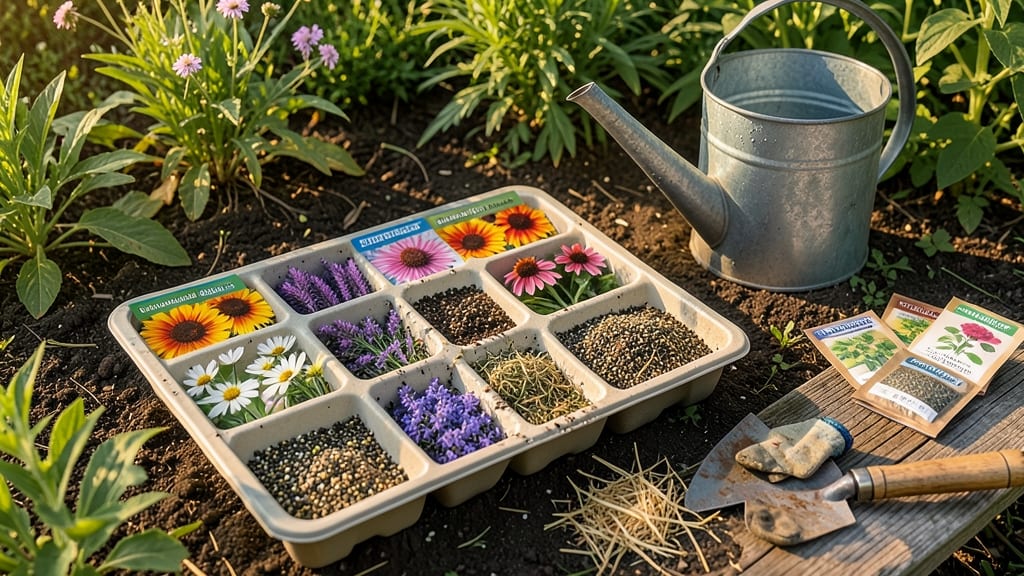
Planting wildflower seeds in Oklahoma at the right time ensures vibrant blooms and thrives in the state’s unique climate zones.
Oklahoma’s diverse climate—from humid summers to chilly winters—makes choosing the right time a game-changer for year-round color and pollinator support. But timing isn’t just about seasons; it’s about aligning with native species’ natural cycles to ensure vibrant blooms and resilient growth.
For most wildflowers 🌼, like Indian Blanket or Black-Eyed Susan, the ideal window is late winter to early spring (February–April) or fall (August–October). This timing lets seeds establish roots before extreme heat or frost hits, giving them the best shot at survival.
Below, I’ll break down the best months for your region, soil prep tips, and how to keep your wildflowers blooming all season long—no matter if you’re in Zone 6a or 8a.
Best planting times for Oklahoma wildflowers by season and species type
Timing your wildflower planting in Oklahoma isn’t just about seasons—it’s about matching native species to your USDA Hardiness Zones 6a-8a and microclimates. The Panhandle’s arid conditions differ drastically from eastern Oklahoma’s humidity, so adjust your schedule accordingly.
Most wildflowers thrive when planted in fall or early spring, but biennials and some perennials have unique windows.
Fall planting (August-October) is my top recommendation for Oklahoma wildflowers. Cooler temperatures reduce seedling stress, and seeds germinate naturally with winter rains. This method also helps establish deep roots before summer heat arrives. Spring planting (February-April) works for annuals but risks drought stress if sown too late.
Here’s how Oklahoma’s frost dates impact your timing: Northern regions (Zone 6a) face last frosts around March 15, while southern areas (Zone 8a) can plant until January 15.
Always check local first frost dates—November 15 for northern Oklahoma—to avoid winter kills. For drought-prone areas, fall planting gives seeds time to establish before summer dry spells.
Annual wildflowers like Black-Eyed Susan and Mexican Hat should be planted in late winter to early spring (February-March) for summer blooms. Perennials such as Prairie Coneflower and Butterfly Milkweed prefer fall planting (September-October), as they establish roots before dormancy.
Biennials like Evening Primrose need late summer planting (August) to bloom the following year.
Oklahoma’s microclimates demand flexibility. The Panhandle’s shorter growing season favors early spring planting (February), while eastern Oklahoma’s longer frost-free period allows late fall planting (November). Always test soil moisture—dry conditions require pre-watering before seeding—and protect young seedlings with lightweight row covers if late frosts threaten.
For continuous blooms, stagger plantings: Sow early spring mixes (February) for summer color, then fall mixes (September) for winter interest. This technique ensures year-round pollinator support and reduces gaps in your garden’s beauty. Remember, Oklahoma’s unpredictable rainfall means keeping seeds moist during germination is critical—use mulch to retain moisture.
Here’s a quick reference for Oklahoma’s wildflower planting zones and species types:
For drought-prone areas, prioritize native species like Prairie Sage or Goldenrod, which thrive with minimal water once established. In humid eastern Oklahoma, focus on fall planting (September-October) to avoid fungal issues from summer moisture.
Always test soil pH (6.0-7.5 ideal)—amend with compost if needed—and avoid over-fertilizing, as wildflowers prefer lean conditions.
Pro tip: Use a <
Top 5 native Oklahoma wildflowers for year-round blooms and their planting quirks
Oklahoma’s native wildflowers aren’t just beautiful—they’re tough survivors built to thrive in our unpredictable climate. To get the most vibrant blooms, you’ll want to focus on species like Indian Blanket and Black-Eyed Susan, which reward you with season-long color while demanding minimal care.
The key? Planting them at the right time and giving them the soil conditions they crave.
Unlike invasive species, these native Oklahoma wildflowers have evolved to handle our hot summers and occasional droughts. But even the hardiest plants need a little help getting started. For example, Prairie Coneflower loves well-draining soil and full sun exposure, while Evening Primrose can handle a bit more shade.
Let’s dive into the top 5 performers and their planting quirks.
- 🌿 Indian Blanket (Gaillardia pulchella): Plant in early spring (March) or fall (September) for year-round blooms. Prefers sandy loam soil—avoid heavy clay! Deadhead spent blooms to encourage reblooming.
- 🌻 Black-Eyed Susan (Rudbeckia hirta): Sow seeds in late summer (August) for spring blooms or early spring (April) for fall color. Thrives in poor soil but needs full sun to prevent flopping.
- 🌼 Prairie Coneflower (Ratibida columnifera): Best planted in fall (September-October) to establish roots before winter. Loves dry, rocky soil—ideal for xeric landscapes. Drought-tolerant once established!
- 🌹 Evening Primrose (Oenothera speciosa): Direct-sow in early spring (March-April) or fall (September). Prefers moist, well-draining soil and can tolerate partial shade. Blooms open at dusk—perfect for pollinators!
- 🌺 Purple Coneflower (Echinacea purpurea): Plant in early spring (March) or fall (September) for 3-season blooms. Needs rich, loamy soil and 6+ hours of sun. Divide clumps every 3-4 years to prevent overcrowding.
One of my favorite planting hacks for Oklahoma wildflowers is to mix seeds with sand or compost before scattering them. This helps ensure even distribution and prevents seed clumping, which can lead to overcrowding later on.
For drought-prone areas, consider adding a light mulch layer (like straw) to retain moisture without smothering the seeds.
If you’re aiming for year-round blooms, stagger your planting by sowing early spring and fall varieties. For example, plant Indian Blanket in March for summer blooms and again in September for fall/winter interest. This creates a continuous pollinator buffet from spring through frost.
Don’t overlook soil preparation—especially in Oklahoma’s clay-heavy soils. Amend your beds with compost or sand to improve drainage, particularly for Prairie Coneflower and Black-Eyed Susan. These species hate soggy roots, so a little extra effort here pays off with healthier plants and longer bloom times.
For extended blooming seasons, deadhead spent flowers regularly (except for Prairie Coneflower, which self-seeds beautifully). This encourages reblooming and keeps your garden looking fresh. And remember: native wildflowers are the ultimate low-maintenance plants—once established, they’ll reward you with color and pollinator activity for years with minimal effort.