Plants
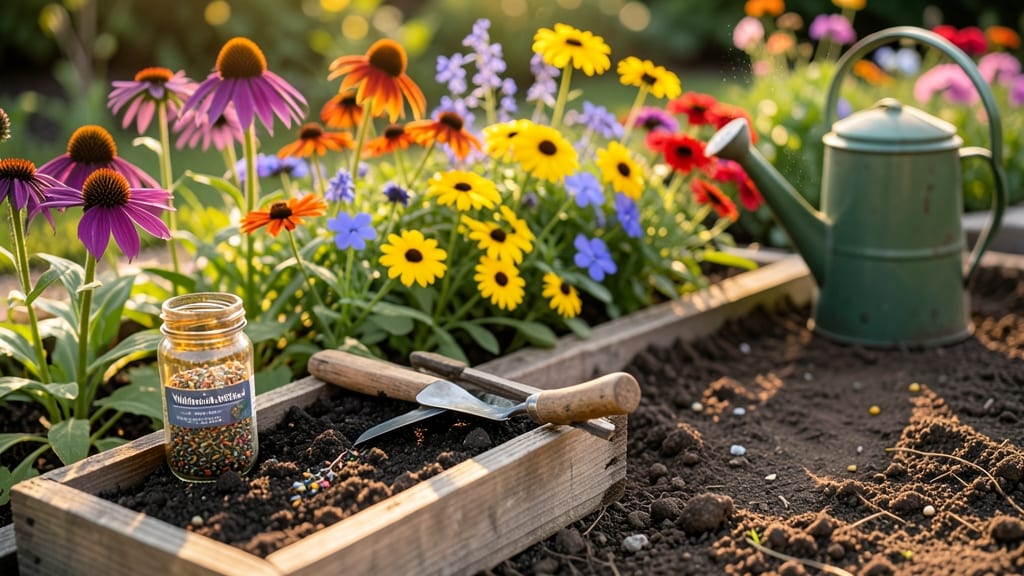
Planting wildflower seeds in Virginia at the right time ensures vibrant blooms and healthy growth 🌼 — aim for late winter to early spring or late summer to early fall for best results.
Timing matters more than you might think. Skip the window, and you risk seeds sprouting too early, only to be wiped out by a late frost. Or worse, planting too late means they won’t establish roots before winter sets in.
Virginia’s USDA zones 6a-8a offer two ideal planting periods: February to April for spring blooms and August to October for fall establishment. Each has its own risks—spring’s unpredictable frosts and fall’s shorter growing season.
Below, I break down the exact months for your zone, soil prep tips, and how to protect your seeds from Virginia’s unpredictable climate. Ready to turn your yard into a pollinator paradise?
Virginia wildflower planting calendar by USDA zone: exact months for spring vs fall success
Planting wildflowers in Virginia requires precision timing to beat frost and soil temperature challenges. The Piedmont region (zones 6a-7a) faces late spring frosts, while coastal areas (zone 8a) enjoy milder winters. Fall planting often outperforms spring in Virginia because cooler temps reduce weed competition and seeds establish before summer heat.
Let’s break down the exact planting windows for each USDA zone to maximize your meadow’s potential.
Soil temperatures below 40°F can stall germination, while ideal ranges for most wildflower seeds sit between 60°F and 75°F. In Virginia, this means waiting until after the last frost in spring or planting in early fall before soil cools too much.
Coastal Virginia (zone 8a) can start 2-3 weeks earlier than inland zones due to its moderated climate.
Here’s your zone-specific planting calendar with frost-free deadlines and ideal soil temps for germination:
For zone 5a (like the Blue Ridge Mountains), spring planting must wait until after April 15 to avoid frost damage, while fall planting should wrap up by October 1 before winter sets in.
In contrast, coastal Virginia (zone 8a) can start as early as February for spring planting, thanks to its milder climate.
Fall planting is often the safest bet in Virginia because seeds germinate in cooler soil, reducing weed competition. Aim to plant 6-8 weeks before your first frost—typically mid-August to early October—to give roots time to establish before winter.
In zone 7a, this means planting by September 15 to avoid early frost risks.
Soil preparation is just as critical as timing. Test your soil’s pH (6.0-7.0 ideal) and loosen the top 2-3 inches to improve drainage. Wildflowers thrive in well-drained soil, so amend heavy clay with compost or sand if needed.
In Piedmont regions, where clay soils dominate, consider raised beds for better results.
Native Virginia wildflowers like Black-Eyed Susan and Purple Coneflower germinate best at 65-70°F. Use a soil thermometer to monitor temps—if it’s below 50°F, wait a few more days. For coastal zones, where humidity is higher, plant in morning hours to reduce fungal risks from damp seeds.
After sowing, keep seeds lightly moist (not soggy) until germination, which typically takes 14-30 days
How to choose between spring and fall planting for Virginia wildflowers: pros, cons, and climate factors
Deciding between spring and fall planting for Virginia wildflowers depends on your local microclimate and seed types. Both seasons offer unique advantages, but Virginia’s humidity, rainfall patterns, and deer activity can shift the balance.
Let’s break down the trade-offs to help you choose the best time for your meadow or garden plot.
Virginia’s USDA zones 5a-8a experience variable frost dates, with cooler mountain regions (like the Blue Ridge) freezing earlier than coastal areas. Fall planting often gives seeds a head start before winter, while spring planting aligns with peak rainfall but risks late frosts that can damage tender sprouts.
Spring Planting (February–April)
Pros
- Longer growing season for establishment
- Higher rainfall in spring supports germination
- Easier to monitor for weeds and pests
Cons
- Late frost risk (especially in Piedmont)
- Weed competition peaks in warm soil
- Deer/bird predation higher during active growth
Fall Planting (August–October)
Pros
- Cooler temps reduce weeds and pests
- Seeds germinate early spring with no transplant shock
- Lower deer activity in late fall/winter
Cons
- Drought risk if fall is dry (common in Shenandoah)
- Shorter window before first frost (Nov 15 avg)
- Birds may scatter seeds before germination
For Virginia’s Piedmont region (zones 6b-7a), fall planting often wins due to lower humidity and reduced fungal pressure.
Meanwhile, coastal areas (zones 7b-8a) benefit from spring planting thanks to milder winters and consistent moisture. Native species like black-eyed Susans and coneflowers thrive in both seasons, but delicate annuals (e.g., cosmos) prefer spring’s warmth.
If you’re unsure, try both methods in small plots. Test soil moisture before planting—fall seeds need at least 4 weeks to establish roots before winter. In spring, wait until soil temps reach 60°F (use a soil thermometer) to avoid rot risks.
Pro tip: Mulch lightly after planting to retain moisture, whether you choose spring or fall. For high-deer areas, plant near thorny shrubs (like wild roses) to deter grazing.
Virginia’s climate variability means no single answer fits all, but understanding these trade-offs will help you maximize blooms with minimal effort. Start small, observe your site’s patterns, and adjust next year! 🌼