
Plants
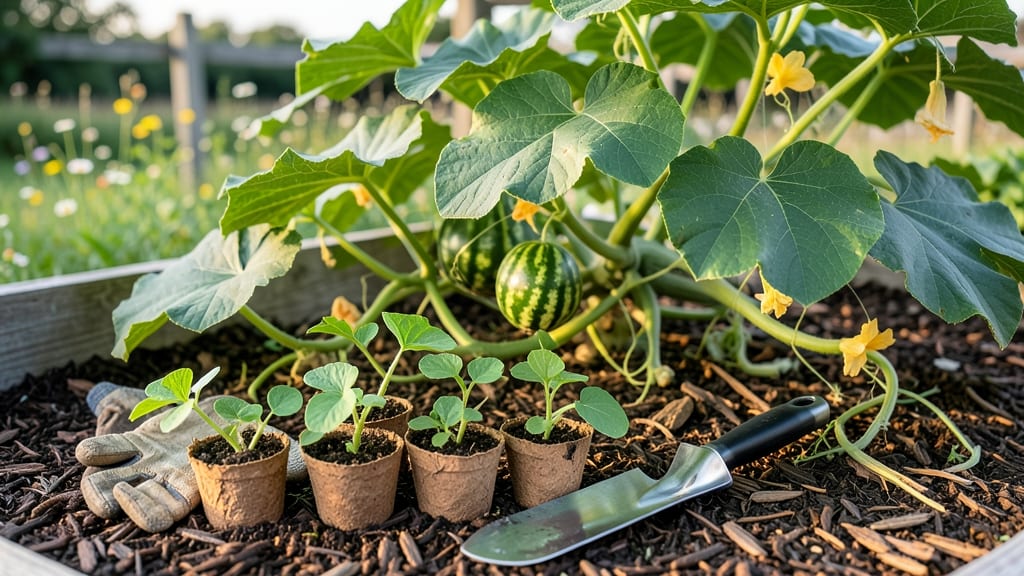
To plant watermelon in Oregon, aim for after the last frost date—typically mid-May in most zones—but wait until soil warms to at least 70°F for strong growth.
Oregon’s diverse microclimates—from coastal fog to high-desert heat—can make watermelon planting a gamble if you don’t time it perfectly. Plant too early, and frost will wipe out your crop; too late, and you’ll miss the sweet harvest window.
Whether you’re starting seeds indoors or sowing directly, the key is understanding your region’s frost-free dates and soil temperature trends. Coastal areas may need a later start, while inland zones can push planting earlier.
Below, I’ll break down the exact timing for your microclimate, plus pro tips to extend the growing season and avoid common pitfalls like uneven ripening or disease risks.
Oregon’s best planting zones for watermelon: when to start seeds indoors vs. outdoors
Oregon’s USDA Plant Hardiness Zones 5-9 create unique challenges for watermelon growers, where coastal fog can delay warming while high-desert areas heat up rapidly. The key to success lies in understanding your microclimate and aligning planting with soil temperature (not just air temperature).
Watermelons thrive when soil reaches 70°F+, a threshold that varies dramatically across the state.
For indoor seed starting, aim to sow seeds 4-6 weeks before your last frost date, using bottom heat (70°F mats) to encourage germination. Coastal gardeners should wait until mid-April to early May, while inland and high-desert areas can start as early as late March.
Outdoor transplanting should never occur until after the last frost and when soil consistently stays above 70°F.
Here’s your Oregon-specific planting timeline, broken down by zone and microclimate, with last-frost data sourced from Oregon State University:
In coastal Oregon, where fog lingers into June, use black plastic mulch or row covers to warm soil faster. For Willamette Valley gardeners, prioritize early-maturing varieties like ‘Sugar Baby’ (70 days) to avoid late-summer rains.
High-desert areas can push watermelons to maturity faster due to intense sunlight, but irrigate consistently to prevent cracking.
Always test soil temperature with a soil thermometer—watermelon seeds won’t germinate below 60°F, and weak seedlings will struggle in cold soil. If your soil isn’t ready by the outdoor transplant window, opt for container growing with heat mats or delay planting until July for a late-season harvest.
For direct sowing outdoors, skip indoor starts and plant seeds when soil hits 70°F+, using the same timeline as transplanting. This method works best in high-desert zones where nights stay warm. Coastal gardeners should avoid direct sowing before June 1, as cooler nights slow growth.
Pro tip: Monitor Oregon State University’s frost forecasts (available via their Garden Professors extension service) for real-time adjustments. In my Zone 8 Portland garden, I’ve found that mid-May transplants under row covers yield the sweetest melons by early August—just in time for summer picnics!
Remember, soil temperature matters more than air temperature. Even if daytime highs reach 80°F, if your soil is still below 70°F at depth, watermelon roots will suffer. Use a soil thermometer to check 2-3 inches deep—this is the critical zone for root development.
🌱
Microclimate-specific planting calendar: coastal vs. inland vs. high desert
Oregon’s three distinct microclimates—coastal, inland, and high desert—create wildly different conditions for watermelon growers. The coastal fog belt delays soil warming, while the high desert can scorch plants if not managed.
Inland areas like the Willamette Valley offer the sweet spot, but even there, timing is everything. Let’s break down the optimal planting windows for each zone to ensure your vines thrive.
Your last frost dates are the first clue: coastal areas average May 15th, inland zones April 15th, and high desert regions can see frost as late as May 30th.
But don’t rely solely on dates—soil temperature is the real game-changer. Watermelons need 70°F+ soil to germinate, and coastal areas often lag behind by 3-4 weeks compared to inland sites.
For coastal gardeners, the key is soil warming. Lay down black plastic mulch 2-3 weeks before planting to raise soil temps by 10-15°F. Pair this with row covers to protect young plants from lingering coastal chills.
The ‘Sugar Baby’ variety is perfect here—its small size and quick maturity (70 days) make it ideal for shorter coastal seasons.
Inland growers have the most forgiving timeline, but don’t rush—soil temperature is still critical. Test it with a soil thermometer; wait until it hits 75°F+ before transplanting.
The Willamette Valley’s mild summers suit ‘Crimson Sweet’, a classic variety that thrives with consistent moisture and full sun exposure. Water deeply 2-3 times per week once fruits form.
High desert watermelon growing is all about heat management. While Bend and Burns offer longer daylight hours, intense afternoon sun can stress plants. Use drip irrigation to keep roots cool and apply 30% shade cloth during peak heat (1-4 PM).
The ‘Moon and Stars’ heirloom handles high desert heat beautifully, with its thick rind protecting against sunburn.
Regardless of your zone, succession planting can double your harvest. In inland areas, make a second planting in early June for a late-summer crop. Coastal gardeners should focus on one strong planting and protect it with floating row covers if early-season frosts linger.
Always harden off seedlings for 7-10 days before transplanting to avoid shock.