Plants
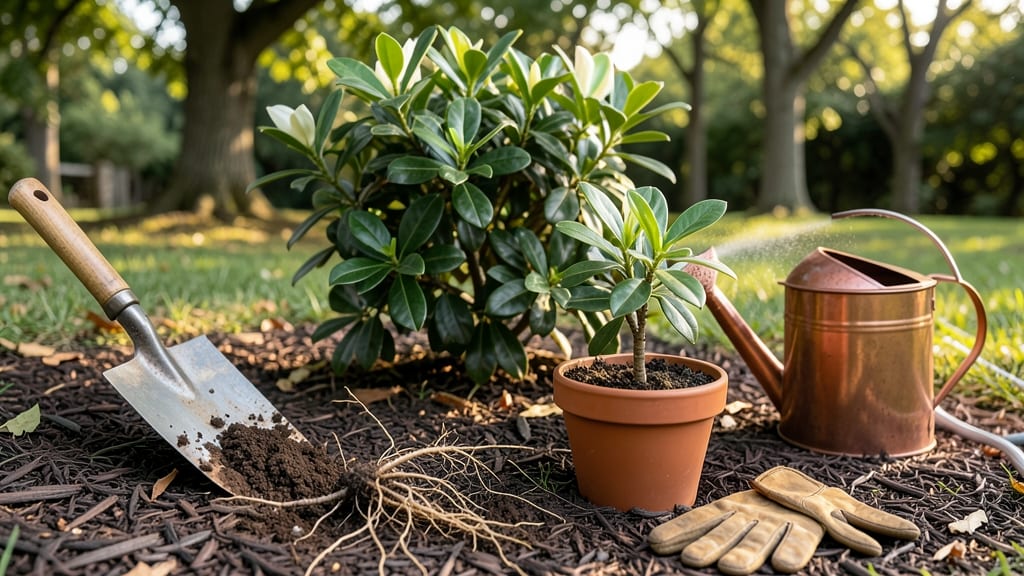
Plant gardenias in North Carolina after the last frost in March or April for the best chance at lush blooms and frost-free growth.
If you’ve ever watched a gardenia struggle through a late spring frost—leaves blackened, buds lost—you know timing is everything. These fragrant shrubs 🌸 love NC’s mild winters but need a head start to beat the chill.
Spring planting (March–May) gives roots time to establish before summer heat, while fall (September–October) works in cooler zones like 8b. Either way, soil temps above 60°F are your green light.
Below, I’ll break down the exact frost-free windows by region, soil prep secrets, and how to avoid the three biggest mistakes NC gardeners make when planting gardenias.
Best planting months for gardenias in North Carolina based on hardiness zones
North Carolina’s USDA zones 7b-8b create perfect conditions for gardenia growth, but timing is everything. These fragrant shrubs need warm soil and frost-free conditions to establish strong roots. Plant too early, and you risk cold damage—too late, and your gardenia may struggle to bloom before winter sets in.
Most gardeners in NC focus on spring planting (March-May) after the last frost, but fall planting (September-October) also works if done correctly. The key is understanding your local frost dates and soil temperatures.
For example, in zone 7b, the average last frost date is mid-March, while zone 8b typically sees frost-free conditions by early March.
Soil temperature is just as critical as air temperature. Gardenias thrive when soil reaches 60°F or warmer. In NC, this usually happens by late March to early April, but it can vary by 1-2 weeks depending on your exact location.
Always check soil temps with a soil thermometer before planting to avoid transplant shock.
Here’s a quick comparison of the best planting windows for NC’s zones, including frost-free dates and soil temperature requirements:
| Zone | Last Frost Date | Ideal Planting Window | Soil Temp Requirement | Risk Level |
|---|---|---|---|---|
| 7b | Mid-March | April 15 - May 15 | 60°F+ | Moderate (late frosts possible) |
| 8a | Early March | March 20 - April 30 | 60°F+ | Low (warmer climate) |
| 8b | Early March | March 15 - April 15 | 60°F+ | Very Low (minimal frost risk) |
| Fall Planting (All Zones) | N/A | September 15 - October 15 | 55°F+ | Low (if planted early enough) |
For spring planting, aim to get your gardenias in the ground 4-6 weeks before summer heat arrives. This gives roots time to establish before the July-August heat hits.
In zone 7b, this means planting by mid-May, while zone 8b gardeners can push it to early June if needed.
Fall planting is less common but can be very successful in NC. The goal is to give roots time to establish before first frost (typically mid-November). Plant in September-October when soil temps are still 55°F or warmer.
Avoid planting after October 15, as roots won’t have enough time to harden off before winter.
One common mistake is assuming all of NC has the same frost dates. For example, Asheville (zone 7b) often sees frost until April 1, while Wilmington (zone 8b) rarely has frost after early March.
Always check your local frost maps or use a frost calendar for your specific county to avoid surprises.
If you’re planting in containers, the timing is slightly more flexible. Potted gardenias can handle cooler temps better and can be planted 2-3 weeks earlier than in-ground plants. Just ensure your containers have drainage holes and use a lightweight potting mix to prevent root rot in NC’s humid summers.
Pro tip: If you’re unsure about timing, opt for bare-root gardenias in early spring. These establish faster and are less likely to suffer from transplant shock than container-grown plants. Just soak the roots in water for 1-2 hours before planting to rehydrate them.
🌸
How to time gardenia planting for maximum blooms: a seasonal checklist
Timing is everything when planting gardenias in North Carolina. These fragrant shrubs need a 6-8 week window to establish roots before summer heat arrives. Planting too early risks frost damage, while late planting can delay blooming.
For NC’s climate (zones 7b-8b), your best bets are spring (March-May) or early fall (September-October).
Spring planting gives gardenias time to root before summer's heat, while fall planting allows roots to establish before winter dormancy. Both approaches work, but soil preparation and post-planting care are critical for success.
Let’s break down the exact steps to ensure your gardenias thrive and produce vibrant blooms all season.
🌱 Step-by-Step Planting Timeline for NC Gardenias
- 1 Choose the Right Variety: Opt for dwarf varieties (2-3 ft) like 'Kleim's Hardy' or standard types (4-6 ft) such as 'Radicans'. NC’s humidity suits these types, but avoid tropical varieties that struggle with winter chill.
- 2 Prepare Soil in February: Test soil pH (5.0-6.0) and amend with peat moss or sulfur if needed. Gardenias hate alkaline soil. Mix in compost for nutrients and improve drainage with perlite or sand.
- 3 Plant After Last Frost (Mid-March): Dig a hole twice as wide as the root ball but only as deep. Place the plant so the top of the root ball sits 1 inch above soil level to prevent rot.
- 4 Water Deeply for 2 Weeks: Give 1-2 gallons per plant every 2-3 days. Avoid wetting leaves to prevent fungal diseases like powdery mildew, common in NC’s humid summers.
- 5 Mulch Heavily in April: Apply 3 inches of pine bark mulch to retain moisture and regulate soil temperature. Keep mulch 6 inches away from the trunk to avoid rot.
- 6 Prune After Blooming (July-August): Remove dead or crossing branches and shape the shrub. Avoid heavy pruning—gardenias bloom on new wood, so limit cuts to 1/3 of the plant per year.
- 7 Fertilize in Early Spring (March): Use an acid-loving fertilizer (10-10-10). Apply 1 tbsp per plant and water thoroughly. Repeat in June and September for continuous blooms.
For fall planting (September-October), follow the same steps but adjust your timeline to allow roots to establish before NC’s first frost (mid-November). Gardenias planted in fall often bloom earlier the following spring. Just ensure the soil temperature stays above 60°F for root growth.
Pro tip: If you’re planting in containers, use a well-draining potting mix with 30% perlite and water more frequently. Container gardenias need daily checks during NC’s hot summers to prevent drying out. Place pots in partial shade to protect them from harsh afternoon sun.
With the right timing and care, your gardenias will reward you with fragrant white blooms from June through September. Avoid the common mistake of planting too late—gardenias need time to root before summer’s heat sets in.
Stick to this checklist, and you’ll enjoy vibrant, healthy gardenias for years to come! 🌸