
Plants
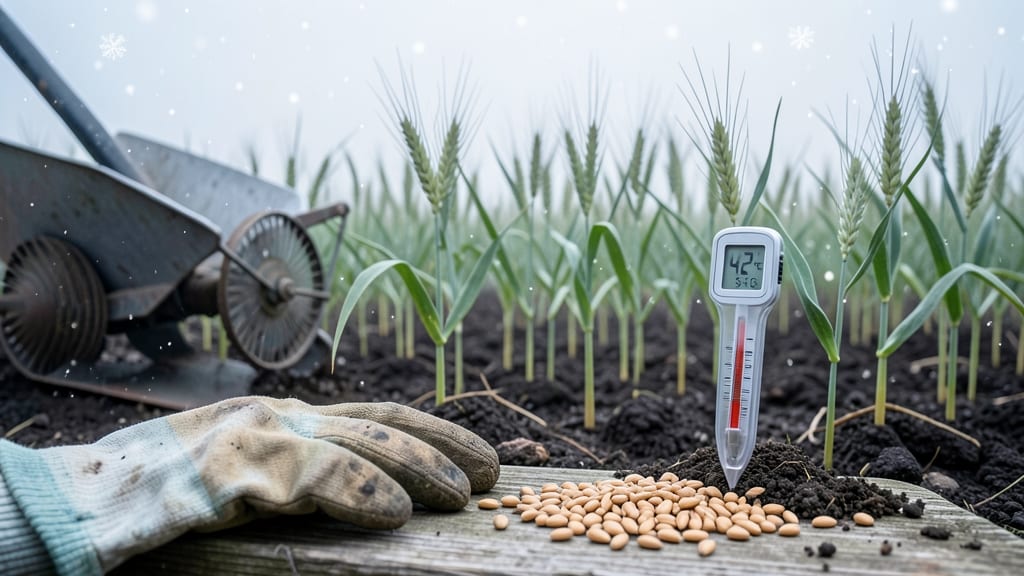
Plant winter wheat in Wisconsin between late August and early October to give it time to establish roots before the first hard frost hits.
Get this wrong, and you risk weak seedlings that won’t survive the winter—or worse, a harvest that’s half the size you expected. Wisconsin’s USDA Zones 4b-5b demand precision, and even a few weeks off can mean the difference between success and failure.
Soil temperature matters just as much as the calendar. Aim for 40-50°F at planting depth, and check moisture levels—too dry, and the seeds won’t sprout; too wet, and you’ll invite disease. I’ll walk you through the exact steps to test your soil and adjust for Wisconsin’s unpredictable fall weather.
Once planted, winter wheat thrives with minimal fuss, but timing is everything. Below, I break down the best dates by zone, soil prep tips, and how to avoid the three most common mistakes Wisconsin farmers make every year.
Wisconsin winter wheat planting dates by USDA Zone (2024 guide)
Timing your winter wheat planting in Wisconsin is critical—plant too early, and seedlings may rot from fall moisture; too late, and the crop won’t establish roots before hard frost. Wisconsin’s USDA Zones 3-5 create distinct planting windows, with northern regions needing earlier starts than southern areas.
I’ll break down the exact planting dates for each zone, including early, ideal, and late ranges to help you avoid common mistakes.
Winter wheat thrives when planted 4-6 weeks before the first hard frost, allowing roots to develop before dormancy. In Wisconsin, this typically means late August to early October, but your exact timing depends on your USDA zone.
For example, Zone 3 gardeners should aim for late August, while Zone 5 can push into early October. Let’s dive into the specifics to ensure your crop survives the winter and yields a bountiful harvest.
🌾
If you’re in Zone 3, like in Duluth or Superior, prioritize planting by mid-August to give your wheat enough time to establish before the first hard frost hits in mid-October.
In Zone 4, which includes Madison and Green Bay, you have a slightly longer window—aim for late August to mid-September—but don’t wait past late September, or your crop may struggle to harden off before winter.
For Zone 5 gardeners in Milwaukee or Janesville, you can push planting into early October, but avoid waiting until mid-October, as the risk of early frost increases.
Soil temperature is just as critical as planting dates. Winter wheat seeds need soil temps between 40-50°F at a depth of 2 inches to germinate properly. In Wisconsin, soil temps drop below this threshold by mid-October, so planting after this date risks poor germination.
Use a soil thermometer to confirm readiness—if temps are dropping too fast, opt for an earlier planting window even if conditions seem ideal.
Another key factor is moisture levels. Winter wheat needs consistent soil moisture during germination but can’t tolerate waterlogged soil once established. In Wisconsin’s fall rains, drainage becomes a concern, especially in clay-heavy soils.
If your field retains too much water, consider planting on ridges or raised beds to prevent seed rot. I’ve seen firsthand how poor drainage can turn a promising crop into a loss—don’t let this happen to you!
For those in northern Wisconsin (Zone 3), where winters are harshest, choose cold-hardy varieties like ‘Pioneer 25R57’ or ‘Nebred’. These varieties can withstand -20°F temps, giving you a safety net against early frosts.
In southern Wisconsin (Zone 5), you might opt for slightly less hardy but higher-yielding varieties like ‘Syngenta SW Winter Wheat’, which thrives in milder winters. Always check the seed packet for USDA zone recommendations—it’s a small step that can save you a lot of heartache.
Pro tip: If you’re unsure about your USDA zone, use the USDA Plant Hardiness Zone Map or check with your local Wisconsin Extension office. They can provide hyper-local advice based on microclimates in your area.
For example, a valley location might experience earlier frosts than a hilltop, even if they’re just a few miles apart. Adjust your planting dates accordingly to avoid surprises.
Finally, keep an eye on the 10-day forecast before planting. If a cold snap is predicted within 2 weeks, delay planting until conditions stabilize. I’ve learned the hard way that rushing can lead to frost-damaged seedlings, and no one wants to start over in spring.
Patience is key—wait for the right moment, and your winter wheat will reward you with a healthy, productive crop next summer.
✂
Soil temperature and moisture requirements for Wisconsin winter wheat success
Winter wheat thrives when planted in soil temperatures between 40-50°F at a depth of 2 inches. This range ensures proper seed germination while allowing the young plants to establish strong roots before Wisconsin's first hard frost.
Cooler temperatures (<40°F) slow growth, while warmer soils (>55°F) can cause seeds to germinate too quickly, leaving them vulnerable to frost damage.
Moisture levels are equally critical—winter wheat needs consistent soil moisture during germination (about 1 inch of water per week) but can tolerate drier conditions once established. Overly wet soils, however, lead to rot or fungal diseases like take-all, a common issue in Wisconsin's humid fall weather.
Aim for well-drained soil that retains moisture without becoming waterlogged.
To test your soil's readiness, use a soil thermometer inserted 2 inches deep. Check temperatures daily for 3-5 days to account for daily fluctuations. In Wisconsin, northern regions (USDA Zone 3) may require waiting until early October, while southern areas (Zone 5) can plant as early as late August.
Always monitor local frost forecasts—planting too early risks seedling death from unexpected cold snaps.
Adjust for Wisconsin's unpredictable fall weather by using a mulch layer (straw or leaves) to insulate seeds and retain moisture. Avoid heavy mulch if soils are already saturated, as this can suffocate young roots.
If your soil feels too dry, water lightly (½ inch) 24 hours before planting to help seeds absorb moisture without washing away.
For moisture-sensitive soils, consider raised beds or slightly elevated planting areas to improve drainage. In clay-heavy Wisconsin soils, mix in compost or sand to prevent compaction. Always plant when skies are partly cloudy—this reduces evaporation while allowing sunlight for germination.
Avoid planting after heavy rains, as waterlogged soil can delay germination by up to 10 days.
Remember, winter wheat's hardiness depends on both timing and soil conditions. Even with perfect planting dates, poor soil moisture or temperature extremes can reduce yields by 30-50%.
Use these guidelines to fine-tune your approach, and don't hesitate to consult the Wisconsin Extension Service for localized advice tailored to your county's microclimate.