
Plants
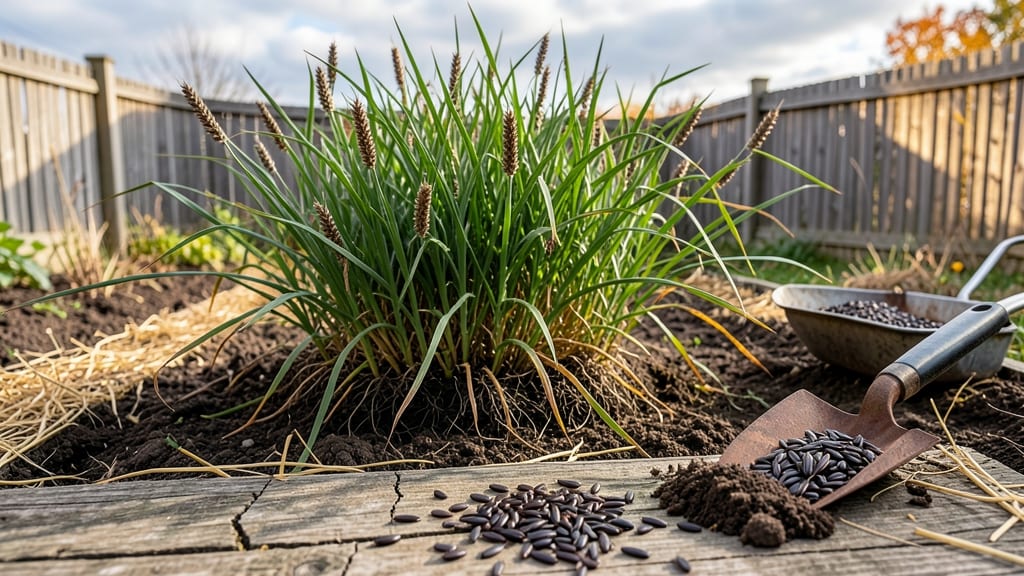
Planting winter rye in Wisconsin between late summer and early fall ensures it establishes strong roots before the first frost 🌱—a critical window for protecting soil and improving next year’s garden.
Wisconsin gardeners know that timing is everything—especially when planting winter rye as a cover crop to protect soil and boost next year’s harvest. Get it wrong, and you risk frost damage or poor establishment; nail it, and you’ll have a thriving cover crop that outperforms weeds and erosion.
This guide breaks down the exact planting dates for USDA Zones 3–4, including how to adjust for northern vs. southern Wisconsin’s frost patterns. You’ll also learn how soil temperature and seedling strength play a role in success.
From soil prep to frost protection, we’ll cover everything you need to maximize growth and avoid common mistakes—so your winter rye thrives even in Wisconsin’s unpredictable climate.
Optimal planting windows for winter rye in Wisconsin’s USDA Zones 3-4
Wisconsin’s USDA Zones 3-4 present unique challenges for growing winter rye as a cover crop. The key to success lies in planting during the 4-6 week window before the first hard frost—typically early September to mid-October.
This timing ensures seedlings establish strong roots before winter sets in, allowing them to survive sub-freezing temperatures and suppress weeds year-round.
Northern Wisconsin (Zone 3) has shorter growing seasons and earlier frosts, so aim for planting by September 15 at the latest. Southern Wisconsin (Zone 4) offers a slightly extended window, with mid-October being the cutoff.
Always check your local frost date averages—the UW Extension provides county-specific frost maps to guide your timing.
Soil temperature is another critical factor. Winter rye germinates best when soil temps are between 50°F and 70°F. By late September, Wisconsin’s soils often drop below this range, making early planting essential. Use a soil thermometer to confirm readiness—if temps are below 50°F, wait for warmer days or consider a light row cover to protect young seedlings.
For gardeners in Zone 3, I recommend planting winter rye by September 10 to give seedlings enough time to develop a 4-6 inch root system before winter.
In Zone 4, you have more flexibility, but don’t wait past October 15—late plantings risk poor establishment and increased weed competition. If you miss the window, consider overseeding in early spring (March-April) for a second cover crop cycle.
Wisconsin’s variable weather patterns can disrupt planting plans. If you experience unseasonably warm September days, take advantage by sowing earlier. Conversely, if cool, wet conditions persist, delay planting until soil warms naturally.
A seedling tray test can help—plant a small batch and monitor germination rates before committing to full coverage.
One common mistake is planting too late in hopes of warmer fall weather. Winter rye needs 4-6 weeks of growth before frost to develop sufficient biomass. If planted after October 15, seedlings may not survive Wisconsin’s sub-freezing nights, leaving your soil vulnerable to erosion and weeds.
Always prioritize root establishment over seedling height when timing your planting.
Consider your specific location within Wisconsin. Northern counties like Dodge or Bayfield have earlier frosts, while southern areas like Walworth or Grant offer a longer window. Use the UW-Madison Garden Resources frost calculator (hort.extension.wisc.edu) to input your ZIP code for precise frost date predictions.
This tool accounts for microclimates and helps refine your planting schedule.
After planting, lightly mulch with straw or leaves to insulate seedlings during early frosts. This simple step can extend the effective planting window by 1-2 weeks, giving marginal plantings a better chance to thrive. Just avoid over-mulching, which can suffocate young plants or attract pests like voles.
Remember that winter rye’s primary purpose is to protect soil and suppress weeds, not to produce a harvest. By planting at the right time, you’ll ensure a dense, resilient cover crop that outcompetes weeds, improves soil structure, and provides organic matter for next year’s garden.
With Wisconsin’s climate, precision timing isn’t just helpful—it’s essential for success.
For those in Zone 3, I’ve
Key factors that determine the best planting time for winter rye
Planting winter rye at the right time in Wisconsin ensures strong seedling establishment before winter sets in. The soil temperature is your first clue—ideal planting occurs when temps drop below 50°F but before hard frosts arrive.
In USDA Zones 3-4, this typically means late August to mid-October, but timing varies by region.
Northern Wisconsin’s shorter growing season demands earlier planting (late August) to allow seedlings to root deeply before winter. Southern areas have more flexibility, with early October often being ideal. Always check your local frost dates—planting too late risks weak seedlings that won’t survive Wisconsin’s harsh winters.
⚠️ callout-warning ⚠️
- Planting too early (before soil temps drop below 70°F) leads to weak seedlings that bolt in summer heat.
- Waiting until after frost risks shallow roots that freeze—critical for winter survival.
- Ignoring soil moisture—dry soils in September can delay germination; aim for 1 inch of moisture in topsoil.
Pro Tip: Use a soil thermometer to confirm temps are below 50°F before planting.
Seedling establishment is another critical factor. Winter rye needs 4-6 weeks to develop a strong root system before winter. If you plant in late September, aim for a minimum 4-inch root depth before hard frosts hit.
Use a seed drill or broadcast spreader to ensure even coverage—thin stands struggle to outcompete weeds.
Adjust for late seasons by choosing fast-germinating varieties like 'Aroostook' or 'Wheeler.' These can establish roots 20-30% faster than standard types. For early planting, focus on soil preparation: till in compost to improve drainage, especially in heavy clay soils common in Wisconsin’s northern regions.
Don’t overlook frost protection after planting. A light straw mulch (2-3 inches) insulates seedlings during early frosts. In Zone 3, consider a row cover for the first 2 weeks post-planting. Monitor for ice encasement—gentle brushing with a broom can prevent damage.
Finally, use Wisconsin’s USDA Plant Hardiness Map to refine your timing. Northern counties (like Dodge or Bayfield) should plant by September 15th, while southern areas (like Walworth or Dane) can extend to October 10th. Always verify with your local UW Extension office for microclimate adjustments.