Plants
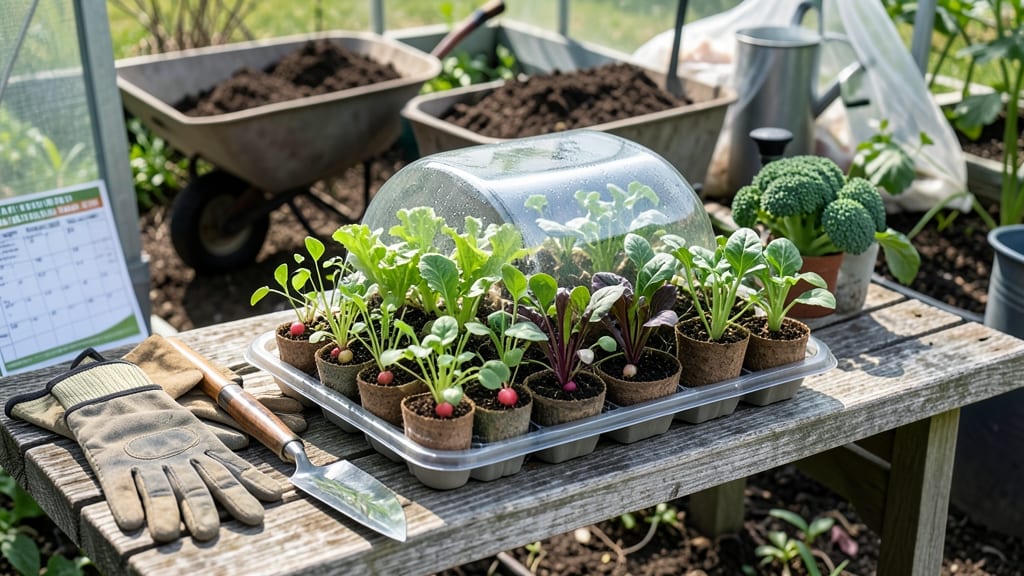
To plant veggies in Michigan, timing is everything—especially when the last frost date can swing by two weeks depending on whether you're in the Upper Peninsula or down near Detroit.
Michigan’s unpredictable spring weather can turn even the most eager gardener into a guessing game player—but timing your vegetable planting just right ensures a bountiful harvest instead of frost-bitten dreams.
One year, my peas sprouted a week too early and got nipped by a late freeze, while last summer’s tomatoes thrived because I waited until after May 15th.
This isn’t just about avoiding frost—it’s about matching each 🌱 veggie to its ideal window. Cool-loving crops like lettuce and spinach can handle early soil, while heat-seekers like peppers and eggplants need warm ground to even think about germinating.
Below, I’ll break down the exact frost dates by region, the best planting months for your top crops, and how to stretch Michigan’s short season with simple tricks like row covers and succession planting.
Michigan’s last frost dates by region: key planting windows explained
Michigan’s last frost dates vary dramatically across its three main regions—Northern (Upper Peninsula), Central, and Southern—creating distinct planting windows for your vegetable garden. Understanding these dates helps you avoid frost damage while maximizing your growing season.
Most of Michigan falls within USDA Zones 5-6, but microclimates can shift these timelines by weeks.
In the Upper Peninsula (Zone 5), the last spring frost typically arrives between May 15-25, while the first fall frost hits around September 15-25. Central Michigan (Zone 5-6) sees last frosts from May 1-15 and first frosts around October 1-15.
Southern Michigan (Zone 6) enjoys the longest season, with last frosts by April 20-May 5 and first frosts near October 15-30.
These variations mean cool-season crops like spinach and peas can start in March in Southern Michigan but must wait until April in the UP. Meanwhile, warm-season crops like tomatoes and peppers need to wait until after the last frost in all regions.
Here’s how to use these dates for your garden planning:
For cool-season crops, plant as early as possible—even before the last frost—since they thrive in cooler weather. Spinach and kale can handle light frosts, while lettuce and radishes can start indoors in late winter for an early harvest.
In Southern Michigan, I often begin sowing peas in late February under row covers.
Warm-season crops like tomatoes, peppers, and cucumbers must wait until after the last frost. In the UP, this means holding off until late May, while Southern Michigan gardeners can plant as early as mid-April.
To extend the season, use black plastic mulch or row covers to warm the soil faster.
Historical data shows Michigan’s frost dates have shifted slightly earlier in recent years due to climate change, but local conditions still dominate. Always check your specific microclimate—valleys and low-lying areas frost later than hills. I recommend tracking your local frost dates for 3-5 years to refine your planting schedule.
Pro tip: Use succession planting to maximize your garden. After harvesting early bush beans in July, replant with carrots or beets, which tolerate cooler fall temperatures. This keeps your garden productive until the first frost.
Remember, these dates are guidelines. A late frost in May can still catch early plantings off guard, so always have row covers ready. With the right timing, Michigan’s short growing season can yield a surprising abundance of fresh vegetables!
Best vegetables to plant in Michigan by month: a month-by-month guide
Michigan’s short growing season demands precision when planting vegetables. The key is knowing which crops thrive in cool spring soil and which need warm summer temperatures.
I’ve tested these planting times for years in my own garden—some crops like peas and spinach can handle early spring, while others like tomatoes and cucumbers need to wait until after the last frost. Let’s break it down month by month to maximize your harvest.
For cool-season crops, focus on early spring planting (March-April) when soil temperatures reach 40-50°F. Warm-season vegetables should wait until late May or June when soil is consistently above 60°F.
Succession planting is also essential—planting lettuce every 2-3 weeks ensures continuous harvests throughout summer. Here’s my proven schedule for 12 staple vegetables that perform best in Michigan gardens.
- 1 March-April: Peas and spinach (direct sow when soil is workable), onions (start indoors). These handle light frosts and grow quickly.
- 2 Late April: Lettuce and kale (direct sow). Use row covers for early protection if frost threatens. Succession plant every 2 weeks for fall harvests.
- 3 May (after last frost): Carrots, radishes, and beets (direct sow). Transplant broccoli and cauliflower seedlings. These thrive in cool-to-moderate temps.
- 4 June: Tomatoes, peppers, and cucumbers (transplant after soil warms to 60°F). Direct sow beans and corn. These are heat-lovers and need full sun.
- 5 July: Succession plant bush beans and zucchini for late-summer harvests. Start fall lettuce indoors for transplanting in August.
- 6 August: Direct sow turnips, radishes, and spinach for fall harvests. These cold-hardy crops tolerate light frosts.
- 7 September: Plant garlic for next year’s harvest. Cover late tomatoes with row fabric to extend the season. Avoid planting new warm-season crops after mid-August.
Pro tip: Use succession planting for fast-growing crops like radishes and lettuce—sow new seeds every 2-3 weeks to ensure a steady supply. For example, I plant bush beans in late May and again in early July to stretch my harvest into September.
Always check your local last frost dates (typically May 15 in Southern Michigan and June 1 in the North) and adjust accordingly.
Don’t forget to rotate crops yearly to prevent soil depletion and disease. For instance, plant tomatoes where beans grew last year—they’re not related and share few pests. Mulch heavily in late summer to protect roots from temperature swings.
With this schedule, you’ll enjoy fresh vegetables from May through October, even in Michigan’s short season!
🌱