I’ve always had a soft spot for the quiet magic of plants—how they stretch toward the sun, how they transform a patch of dirt into something beautiful. My first real garden was a mess of trial and error, but those early failures taught me more than any guidebook ever could. Now, I’m here to share the lessons I’ve learned, the tricks that actually work, and the joy of watching something grow—whether it’s a seedling or your confidence in the dirt.
Plant cilantro in Georgia during late winter to early spring and late summer to early fall to avoid the heat that triggers bolting. Georgia’s hot summers and unpredictable springs can turn cilantro into a bitter, bolted…
Planting citrus in Arizona between November and March gives your 🍊 trees the best shot at thriving in the desert’s extremes. Skip this window and you risk stunted growth or even tree failure—especially in high-desert…
Planting citrus trees in Louisiana demands precision—timing your late winter to early spring window means the difference between a thriving 🍊 tree and one struggling through frost or hurricane stress. You’ve got the…
Planting citrus trees in Phoenix between November and March gives them the best shot at thriving in your frost-free, sun-soaked climate 🍊 — but even here, timing matters more than you’d think. Phoenix’s scorching…
To plant clematis in Colorado, aim for early spring (March–April) or early fall (September) when soil temperatures rise above 40°F and frost risk fades. Colorado’s elevation zones throw a wrench into timing—plant too…
Plant clematis in Ohio between early spring and early fall, when soil temperatures rise above 50°F and frost risk fades — typically March-April or September-October . Ohio’s unpredictable spring weather can leave…
To plant clematis in Texas at the right time means beating both frost and summer heat—aim for fall or early spring when roots establish before extreme temperatures arrive. Texas gardeners know timing is everything—plant…
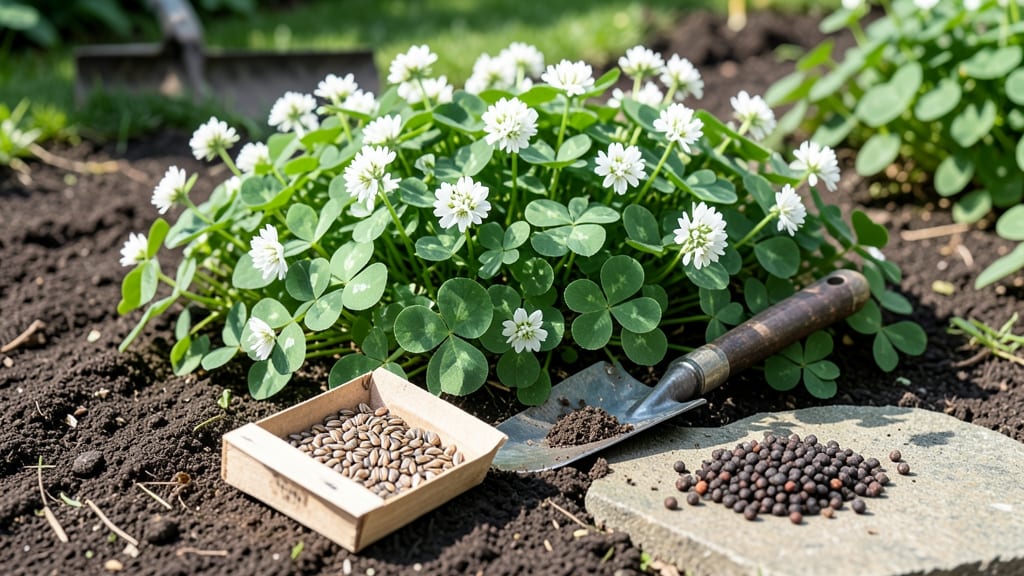
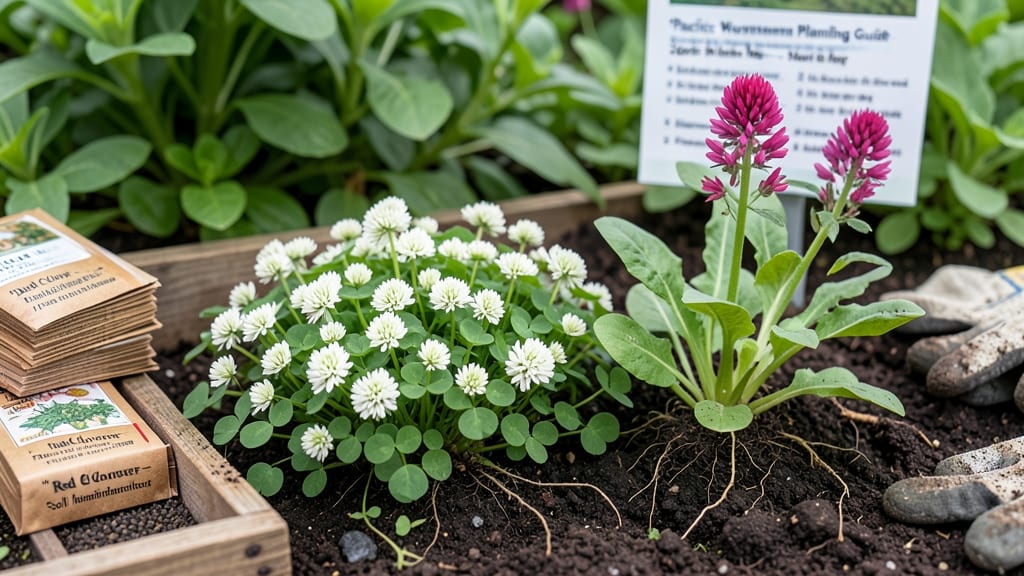
Planting clover in Iowa’s Zone 5a at the right time means the difference between a lush, fast-growing cover crop and a failed experiment. Iowa’s unpredictable spring weather can turn clover planting into a gamble—but…
Planting clover in Kentucky works best in early spring or late summer, when soil temperatures hit 50°F and the risk of frost has passed. Kentucky’s humid climate and rich soils make it ideal for clover—but planting at…
Planting clover in Washington State at the right time ensures fast germination and a lush, hardy lawn or cover crop—whether you’re in the rain-soaked coast or the drier inland zones. Washington State’s diverse…