
Companion Plants
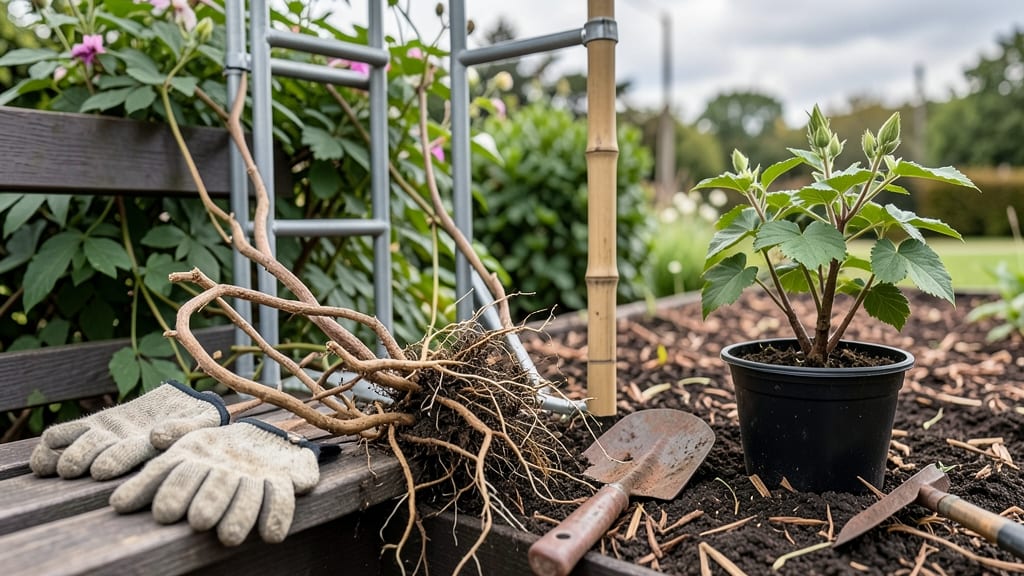
To plant clematis in Texas at the right time means beating both frost and summer heat—aim for fall or early spring when roots establish before extreme temperatures arrive.
Texas gardeners know timing is everything—plant clematis too early, and frost will kill your vines; too late, and summer heat stunts growth. Mastering the perfect window ensures lush, thriving blooms year after year.
In North Texas (Zone 8a), wait until October or February to avoid late frosts, while Central and South Texas (Zones 9b-10b) can plant as early as January or September. The key? Soil prep, shade strategies, and choosing heat-tolerant varieties like 'Jackmanii' or 'Nelly Moser'.
Below, I’ll break down the exact months by region, soil tips to lock in moisture, and how to protect your 🌸 clematis from Texas’s brutal summers—so you get blooms that last.
Texas clematis planting calendar: month-by-month frost risk guide
Texas’s diverse climate means clematis planting timing varies dramatically from North Texas to South Texas. In Zone 8a, late frosts can linger until mid-March, while Zone 10b gardeners enjoy frost-free winters.
The key? Plant when soil temps are cool but stable—avoiding both frost risk and scorching summer heat.
For best survival rates, focus on fall (October-November) or early spring (February-March).
Fall planting gives roots time to establish before winter, while spring planting avoids summer stress. South Texas gardeners have the longest window—planting as early as January—while North Texas must wait until March to avoid frost damage.
Here’s your region-specific planting calendar, including frost risk thresholds and heat tolerance tips to maximize blooms:
In North Texas (Zone 8a), aim for October planting to let roots establish before winter. If you miss fall, wait until after March 15—any earlier risks frost damage. Central Texas (Zones 8b-9a) can plant in late October or February, balancing frost and heat risks.
South Texas (Zones 10a-10b) offers the most flexibility—plant in September-October or January. However, avoid summer planting (May-September), as 100°F+ temps shock young roots. If you must plant in summer, choose container-grown clematis with shade cloth for the first 4-6 weeks.
Pro tip: Use soil thermometers to confirm 50-60°F soil temps before planting. Cooler soils reduce transplant shock, while warmer soils speed root growth. In dry years, water deeply 2-3 times weekly for the first month to help roots establish.
For container-grown clematis, adjust timing by 2-4 weeks later—their roots are less sensitive to transplant shock than bare-root plants. However, avoid summer container planting; the plastic pots dry out too fast, stressing the vine.
Monitor your local frost forecasts via the National Weather Service or Texas A&M AgriLife extensions. In marginal zones (8a/9a), consider row covers or mulch blankets for early spring plantings to protect young shoots.
Remember: Clematis thrives with patience. A vine planted in optimal timing may take 2-3 years to reach full bloom potential—but the first flowers are worth the wait! 🌸
How to prepare clematis for Texas heat: soil, watering, and mulching tips
Once you’ve timed your clematis planting perfectly, the real challenge in Texas is keeping them thriving through our brutal summers. Clematis vines need consistent moisture and cool roots to survive, but our alkaline soils and scorching sun make this tricky.
The key? Amending soil, mulching deeply, and watering strategically—all while protecting delicate foliage from afternoon heat.
Start by testing your soil’s pH—clematis prefer 6.5 to 7.0. If your Texas soil tests higher (common in our region), mix in 2-3 inches of compost or peat moss to improve drainage and acidity.
For container-grown clematis, use a well-draining potting mix with perlite to prevent root rot during our intense heat waves.
For established clematis, prune dead or yellowed leaves in summer to improve airflow and reduce stress. If you notice wilting despite watering, it may be root-bound—gently loosen roots or repot if growing in containers.
In North Texas (Zone 8a), add a thick layer of mulch in winter to protect roots from freeze-thaw cycles.
One of my biggest mistakes was ignoring the root zone temperature—clematis roots prefer 60-70°F. In South Texas (Zone 10b), where soil can hit 90°F+, I now use reflective mulch (like aluminum foil) under organic mulch to keep roots cooler.
This simple trick doubled my bloom count during our hottest summers!
Finally, monitor for spider mites and aphids, which thrive in Texas heat. Spray vines with neem oil weekly during peak summer to prevent infestations. With these adjustments, your clematis will thrive through Texas heat and reward you with vibrant blooms year after year. 🌸