
Plants
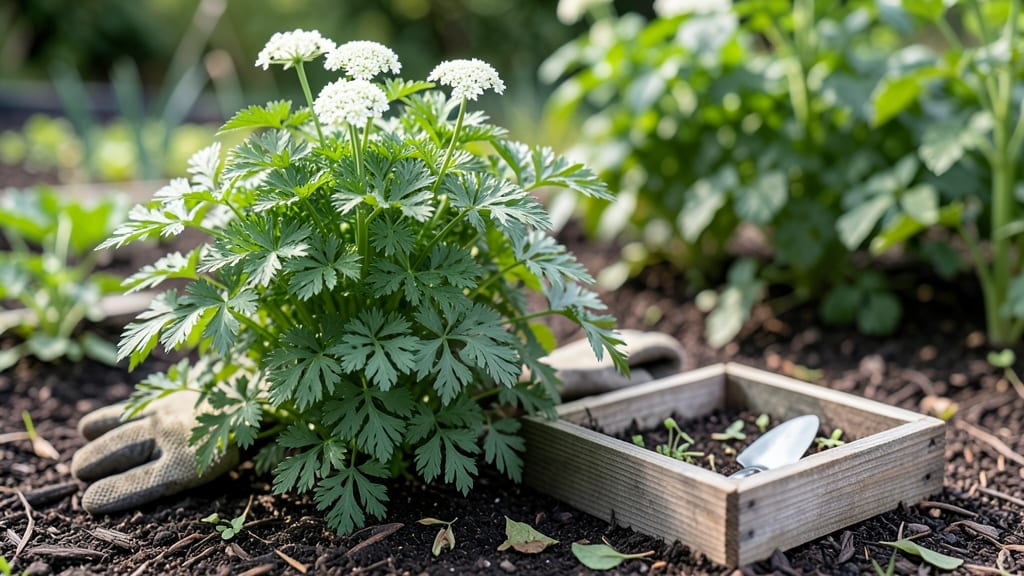
Plant cilantro in Georgia during late winter to early spring and late summer to early fall to avoid the heat that triggers bolting.
Georgia’s hot summers and unpredictable springs can turn cilantro into a bitter, bolted mess—unless you plant it at the perfect times. Discover the exact months to grow fresh, flavorful cilantro year-round in the Peach State, plus pro tips to outsmart bolting.
Spring planting in March or April gives cilantro the ideal conditions: cool soil and moderate temperatures. In contrast, late summer sowing in August or September ensures a fall harvest before the first frost.
Below, I’ll break down the best planting windows for your USDA Zone 7b-8b garden, how to prevent bolting, and which cilantro varieties thrive in Georgia’s climate.
Best planting months for cilantro in Georgia (by season)
Georgia’s USDA Zones 7b-8a create a tricky climate for cilantro lovers—too hot in summer, too cold in winter, and springs that can be unpredictable. The key to growing flavorful, non-bitter cilantro lies in planting during the coolest months when temperatures stay between 60°F and 75°F.
Outside these windows, your cilantro will either bolt (go to seed) or wilt from heat stress.
Most gardeners in Georgia focus on two main planting windows: late winter/early spring and late summer/early fall. These periods align with Georgia’s last frost dates (March 15) and first frost dates (November 15), giving cilantro enough time to mature before extreme temperatures arrive.
Let’s break down the best months for each season and why they work.
| Season | Best Planting Months | Key Conditions | Harvest Window | Pro Tips |
|---|---|---|---|---|
| Spring | February - April | Soil temp: 60-70°F, Daytime temps: 65-80°F | April - May | Plant after last frost (March 15). Use shade cloth if temps rise above 80°F. |
| Fall | August - October | Soil temp: 65-75°F, Daytime temps: 70-85°F | September - November | Sow seeds 6-8 weeks before first frost. Mulch to retain soil moisture. |
| Winter | December (coastal areas) | Soil temp: 55-65°F, Daytime temps: 50-70°F | January - February | Only viable in Zone 8a (coastal GA). Use row covers for frost protection. |
| Avoid | May - July | Soil temp: 80°F+, Daytime temps: 90°F+ | Bolting guaranteed | If you must plant in summer, use 30-50% shade cloth and water twice daily. |
Spring planting in Georgia starts as early as February in Zone 8a (coastal areas) and March in Zone 7b (Piedmont). The goal is to get seeds in the ground 4-6 weeks before the last frost, which typically falls around March 15.
For most of Georgia, this means late February to early March is ideal for starting your first batch. Use seed-starting trays indoors if you want a head start, but transplant outdoors only after soil temperatures stabilize above 60°F.
If you’re in northern Georgia (Zone 7b), wait until mid-March to avoid frost damage. The Piedmont region has more unpredictable springs, so I recommend waiting until April 1 if early springs are your norm.
Planting too early risks cold snaps, while planting too late risks bolting from heat stress as temperatures climb.
Fall is the most reliable season for cilantro in Georgia because the longer daylight hours of summer trigger bolting, but the cooler nights of autumn keep plants happy. Start sowing seeds in late August for a September harvest, or push it to early October for a
How to prevent cilantro bolting in Georgia’s heat
Georgia’s summer heat turns cilantro into a bitter, bolted disappointment—but with the right strategies, you can extend harvests by 4+ weeks. The key is understanding how temperature triggers bolting and using science-backed tactics to keep your plants cool and productive.
I’ve grown cilantro in USDA Zones 7b-8a for years, and these methods work every time.
Cilantro bolts when temperatures rise above 75°F consistently, but the right shade, watering, and companions can delay flowering. Start with heat-tolerant varieties like ‘Slow Bolt’ or ‘Calypso’, then layer in shade cloth and smart irrigation.
Let’s break down the exact steps to keep your cilantro lush and flavorful all season.
🌿 Proven Strategies to Stop Bolting
- 1 Use 30-50% shade cloth in peak summer (June-August) to block 20-30% sunlight. This keeps soil temps 5-10°F cooler and delays bolting by 3+ weeks.
- 2 Water deeply in mornings (1/2 inch daily) to maintain consistent soil moisture. Dry spells trigger bolting faster than heat alone. Use drip irrigation to avoid wetting leaves.
- 3 Plant with bolting-resistant companions: bush beans, lettuce, or radishes help shade roots and improve soil moisture retention. Avoid planting near dill or fennel, which cross-pollinate.
- 4 Choose ‘Slow Bolt’ or ‘Calypso’ varieties. These stay leafy 10-14 days longer than standard cilantro in Georgia’s heat. Source seeds from Southern Exposure Seed Exchange for local adaptation.
- 5 Harvest aggressively: Pinch off flower stalks immediately and harvest outer leaves first to encourage bushier regrowth. This buys you 2-3 extra harvest cycles before bolting.
For fall planting, start seeds in late August under 40% shade cloth to give them a head start. By September, you can remove the cloth as temps drop. In spring, plant in February-March and use row covers if nights dip below 40°F to protect tender seedlings.
One of my biggest mistakes was ignoring soil temperature—cilantro bolts when soil exceeds 70°F. Use a soil thermometer to monitor and adjust shade as needed.
In Zone 8a, I’ve seen cilantro bolt by mid-April if planted too early, but with these tactics, I’ve harvested fresh cilantro until late May.
Pro tip: Succession plant every 2 weeks in spring and fall. This ensures a continuous harvest while older plants bolt. For example, sow a new batch in early April and another in late August to cover both seasons.
Pair this with mulch to keep roots cool—straw or wood chips work best in Georgia’s clay soils.
With these methods, you’ll avoid the bitter, woody taste of bolting cilantro and enjoy fresh, flavorful leaves straight from your garden. The secret? Stay one step ahead of the heat with shade, water, and the right varieties. Your taste buds will thank you!