
Plants
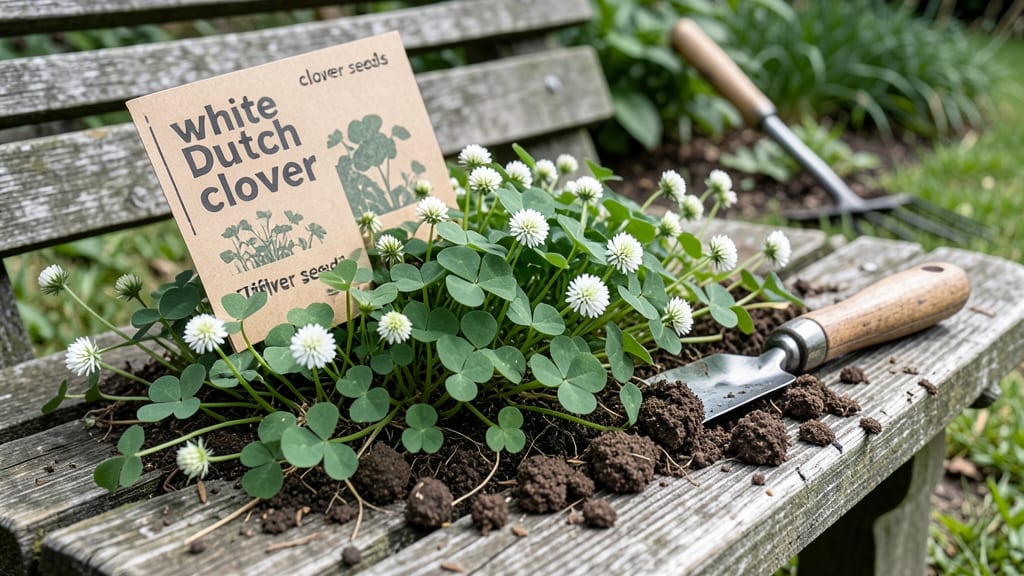
Planting clover in Iowa’s Zone 5a at the right time means the difference between a lush, fast-growing cover crop and a failed experiment.
Iowa’s unpredictable spring weather can turn clover planting into a gamble—but timing it right in USDA Zone 5a ensures thick, fast germination and lush growth before summer’s heat sets in. Miss the window, and you’ll end up with sparse patches struggling to take hold.
For most of Iowa, the best times to plant clover are early spring—just after the last frost around mid-April—or early fall, about 4-6 weeks before the first frost in October.
These windows give your clover the cool, moist soil it needs to sprout quickly and establish strong roots before the heat or cold sets in.
Below, I’ll walk you through the exact frost dates to watch, how to prep your soil for fast germination, and which clover varieties thrive best in Iowa’s short growing season. No more guesswork—just a thick, healthy cover crop that works for your lawn, pasture, or garden.
Optimal planting windows for clover in Iowa’s USDA Zone 5b
Timing your clover planting in Iowa’s USDA Zone 5b makes all the difference between patchy germination and a lush, thriving cover crop. With average last frost dates around April 15 and first frosts hitting mid-October, you’ve got two prime windows: early spring and early fall.
Each offers unique advantages, depending on your goals—whether you’re fixing soil, establishing a lawn, or growing forage for livestock.
Spring planting gives clover a head start to establish roots before summer’s heat, while fall planting lets it take advantage of cool soil temperatures and consistent moisture for robust germination.
Iowa’s variable spring rains and occasional late frosts add another layer of complexity, which is why understanding soil temperature trends is critical.
For example, clover seeds need soil temps of at least 50°F (10°C) to sprout consistently—but waiting until the soil warms to 60°F (15°C) can speed up germination by nearly 30%.
Here’s the key: Plant clover in Iowa between March 15 and April 15 for spring, or between September 1 and September 30 for fall. These windows balance frost risk, soil warmth, and moisture availability to maximize success rates.
Miss these windows, and you risk slow germination, weak stands, or even total failure due to summer drought stress or winter heaving.
| Planting Window | Soil Temp Requirement | Frost Risk | Germination Speed | Best For |
|---|---|---|---|---|
| Early Spring (March 15–April 15) | 50–65°F (10–18°C) | Low (after April 15) | Moderate (7–14 days) | Soil improvement, early forage |
| Early Fall (September 1–30) | 55–68°F (13–20°C) | None (4–6 weeks before frost) | Fast (5–10 days) | Lawn establishment, winter hardiness |
| Late Spring (May 1–15) | 60–75°F (15–24°C) | None | Slow (14–21 days) | Emergency planting (risky) |
For spring planting, aim to sow clover seeds as soon as the soil is workable—typically late March in southern Iowa and mid-April in northern regions. Use a seed drill or broadcast spreader for even coverage, then lightly rake seeds into the top ¼ inch of soil.
This depth ensures moisture contact while preventing burial too deep, which can delay germination. In my experience, white Dutch clover germinates fastest in these conditions, often sprouting within 7–10 days if soil temps stay above 55°F (13°C).
Fall planting, on the other hand, offers a 30–50% faster germination rate because the soil retains more moisture and temperatures are ideal for root establishment. Plant 4–6 weeks before the first frost (typically early September in Iowa) to give seedlings time to develop a strong root system before winter.
This timing also reduces competition from weeds, which are less aggressive in cooler weather. I’ve seen red clover stands thrive when planted in late August, producing dense growth by early October.
One common mistake I see in Iowa gardens is planting clover too early in spring, when soils are still cold and saturated from winter melt. This leads to seed rot and uneven stands.
To avoid this, test your soil temperature with a soil thermometer—wait until it consistently reads 50°F (10°C) or warmer during the day. Another pro tip: Mix clover seeds with a light layer of compost before sowing to improve soil contact and moisture retention, especially in sandy Iowa soils.
If you’re planting clover for lawn improvement, prioritize fall seeding—it gives the plants time to establish before winter dormancy, resulting in a thicker, more resilient stand by spring. For forage production, split your planting between early spring and fall to ensure a continuous supply of fresh growth.
In my Zone 5b garden, I’ve found that overseeding in late September produces the most reliable results, with clover blooming as early as May the following year.
Don’t overlook microclimate variations across Iowa. Southern counties (like Des Moines) can plant 1–2 weeks earlier than northern areas (like Dubuque) due to warmer soils. Use local frost date records from your county extension office to fine-tune your timing.
For example, in Cedar Rapids, I adjust my fall planting to September 10 to account for slightly earlier frosts compared to Ames, where I plant until September 25.
How to prepare Iowa soil for clover planting before sowing
Preparing your Iowa soil for clover planting is the secret to thick, fast germination in Zone 5b. Clover thrives in well-aerated, nutrient-rich soil with a pH between 6.0 and 7.0. If your soil is compacted or too acidic, germination slows dramatically—even in Iowa’s short growing season.
Start your prep 4-6 weeks before sowing to give the soil time to settle and warm up.
First, test your soil pH using a simple kit from your local garden center. Iowa’s clay-heavy soils often lean acidic, which stunts clover growth. If your pH is below 6.0, amend it with lime (apply in early fall for spring planting).
For alkaline soils above 7.0, mix in sulfur or peat moss to lower the pH gradually. Aim for a neutral to slightly acidic balance for optimal root development.
Use a kit to check pH. Aim for 6.0-7.0.
Add lime for acidity (<6.0) or sulfur for alkalinity (>7.0).
Break up clay compaction and mix in 2-3 inches of compost.
Create a fine seedbed with no clumps larger than a pencil eraser.
Skip alfalfa or grasses within 10 feet—they steal nutrients.
After adjusting the pH, till your soil to a depth of 6-8 inches to loosen Iowa’s dense clay and improve drainage. Mix in 2-3 inches of compost or well-rotted manure to boost organic matter.
Clover roots need air and moisture, so avoid heavy tillage that can pulverize the soil too finely. Instead, use a broadfork or rototiller set to a shallow depth to preserve soil structure while breaking up compaction.
Once tilled, rake the surface to create a smooth, fine seedbed with no clumps larger than a pencil eraser. Clover seeds are tiny, so a rough surface can bury them too deep, delaying germination.
For moisture retention, consider adding a thin layer of peat moss or coconut coir before sowing. This is especially helpful in Iowa’s dry spells, as clover seeds need consistent moisture to sprout within 7-14 days.
Avoid planting clover near competitive plants like alfalfa or aggressive grasses, which can choke out young clover seedlings. Instead, pair it with legume-friendly companions such as alfalfa (for nitrogen fixation) or timothy grass (for erosion control).
However, keep these companions at least 10 feet away to prevent nutrient competition. Mulch lightly with straw after sowing to retain soil moisture and suppress weeds without smothering the delicate seedlings.
Finally, water the soil deeply before sowing to ensure the top 4 inches are moist. Clover seeds germinate best in consistently damp soil, so plan to water lightly every 2-3 days until seedlings emerge.
Once established, clover is drought-tolerant, but young plants need regular moisture to develop strong roots before Iowa’s summer heat arrives.