
Trees
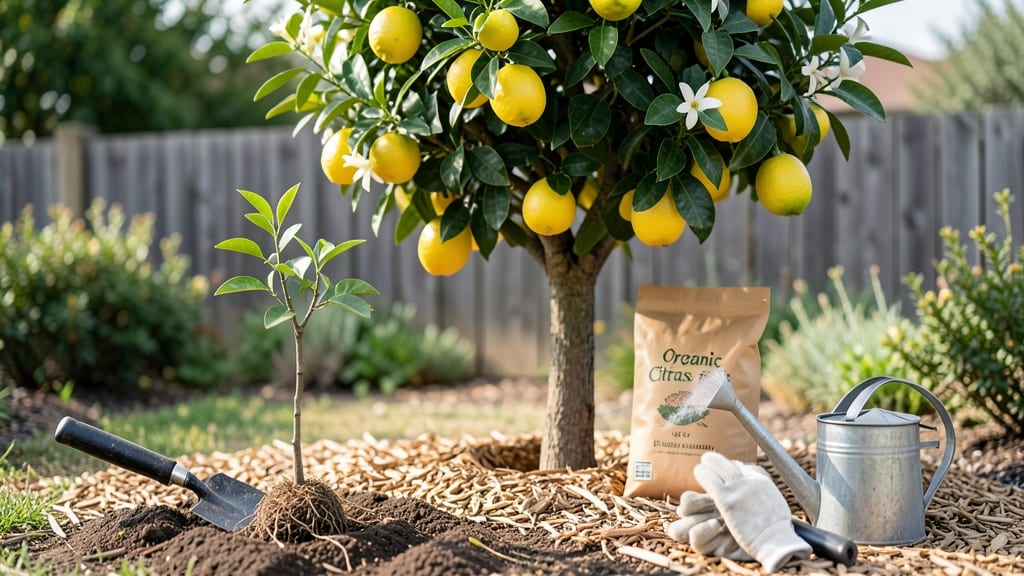
Planting citrus trees in Louisiana demands precision—timing your late winter to early spring window means the difference between a thriving 🍊 tree and one struggling through frost or hurricane stress.
You’ve got the perfect climate for citrus, but even a slight misstep in planting can leave your lemon or orange tree vulnerable to cold snaps or poor root establishment.
The key? Planting after the last frost date—typically mid-March—when soil temperatures are steady and roots can take hold before summer’s heat arrives.
Louisiana’s 8a-9b zones offer flexibility, but microclimates matter. Coastal areas can handle early February plantings, while inland zones should wait until March. Below, I’ll break down the exact months, soil prep secrets, and how to protect young trees from late-season surprises.
Ready to grow a citrus tree that bears fruit for years? You’ll learn how to choose the right variety, prep your soil, and schedule watering and fertilizing for zero-frost-risk success—no guesswork, just results.
Best planting months for citrus trees in Louisiana (frost-free zones explained)
Louisiana’s humid subtropical climate makes it one of the best U.S. states for growing citrus trees, but timing your planting is critical. The last frost date in most of Louisiana falls around mid-March, creating a narrow window for success.
Planting too early risks frost damage, while waiting too long can stress young trees before summer heat arrives.
Most gardeners in USDA zones 8a-9b should focus on two ideal planting windows: February-March and September-October. These periods balance soil warmth, rainfall patterns, and hurricane season risks. Let’s break down why these months work—and how to verify your local frost dates for precision planting.
📌 PRO TIP: Use the NOAA Frost Risk Map (available at [NOAA Climate Data](https://www.ncdc.noaa.gov)) to check your exact last frost date. Simply enter your ZIP code to see historical frost data for your specific area.
| Planting Window | Key Conditions | Best For | Risks to Avoid |
|---|---|---|---|
| February-March | Soil temps 60°F+, minimal frost risk after mid-March | In-ground planting, bare-root trees | Late frost events (check NOAA) |
| September-October | Warm soil, hurricane season winding down | Container planting, established trees | Hurricane season remnants (move containers indoors) |
| Avoid: November-April (except early Feb) | Cold snaps, hurricane season peaks | N/A | Frost damage, poor root establishment |
For February-March planting, aim to get your citrus trees in the ground by mid-March to avoid late frost risks. This window aligns with soil warming trends in Louisiana, where temperatures typically reach 60°F+ by late February.
Young trees benefit from 6-8 weeks of warm soil before summer’s intense heat arrives.
If you prefer fall planting (September-October), you’ll avoid hurricane season’s peak (June-November) and give roots time to establish before winter. This method works especially well for container-grown citrus, which you can move indoors if cold fronts threaten.
Just be sure to plant at least 6-8 weeks before your area’s first frost date.
Louisiana’s microclimates add another layer of complexity. Coastal areas like New Orleans (Zone 9a) have longer frost-free seasons (up to 270 days), while northern regions like Shreveport (Zone 8a) face earlier frosts. Always check local frost maps—a 5-mile difference can mean 2 weeks of frost risk.
💡 EXPERT TIP: In Zone 8a areas, consider winter protection like burlap wraps or frost cloth for young trees planted in late February. Even a 28°F night can damage tender new growth. For Zone 9b, focus on soil moisture—drought stress makes trees more vulnerable to cold snaps.
Container planting offers flexibility for Louisiana gardeners. Move potted citrus trees indoors or to a garage/shed during winter months (November-February) to protect them from unpredictable cold snaps.
This method lets you plant year-round while avoiding frost risks entirely—just ensure your containers have drainage holes and use well-draining potting mix.
After planting, prioritize deep watering (2-4 gallons per tree) to encourage root establishment. Mulch with pine bark fines (2-3 inches) to retain moisture and regulate soil temperature. Avoid nitrogen-heavy fertilizers in the first 30 days—young trees need phosphorus and potassium for root growth, not leafy top growth.
Remember, citrus trees in Louisiana thrive with full sun (6+ hours daily) and well-draining soil. Whether you plant in
How to prepare Louisiana soil for citrus trees (pH, drainage, and amendments)
Citrus trees love the warmth of Louisiana, but they’re picky about soil conditions. Native to Florida’s sandy, well-draining soils, these trees struggle in Louisiana’s clay-heavy or compacted soils. To mimic their ideal environment, focus on three key areas: pH balance, drainage, and organic amendments.
These steps will give your citrus trees the perfect foundation for thriving fruit production.
First, test your soil’s pH level using a home test kit or send a sample to your local extension office. Citrus trees prefer a slightly acidic to neutral range of 6.0–7.0.
Louisiana’s native soils often lean toward acidic (below 6.0) or alkaline (above 7.5), both of which can stunt growth or cause nutrient deficiencies. Adjust the pH gradually using lime (to raise pH) or sulfur (to lower pH) before planting.
⚠️ WARNING: Poor Drainage Kills Citrus Trees ⚠️ Citrus trees hate soggy roots—a common issue in Louisiana’s clay soils. If your soil drains slower than 2 inches per hour, take action now. Start by digging a 6-inch-deep hole where your tree will go.
Fill it with a mix of native soil, pine bark fines, and sand (50% each) to improve aeration. For container-grown trees, use a well-draining potting mix with perlite or vermiculite to prevent root rot.
Next, amend the soil with organic matter to improve structure and fertility. Louisiana’s heavy clay benefits from composted pine bark or leaf mold, which mimics Florida’s natural forest floor. Work in a 2–3 inch layer of compost or aged pine fines into the top 12 inches of soil.
Avoid fresh manure—it can burn young roots and disrupt the microbial balance citrus trees need to thrive.
For an extra boost, mix in a slow-release citrus fertilizer (like 6-6-6 or 8-3-9 NPK ratio) at planting time. This provides essential nutrients without overwhelming the tree. Spread the fertilizer in a 12-inch ring around the planting hole, then cover it with soil before adding your tree.
This ensures nutrients are available as roots establish, reducing transplant shock.
After planting, mulch the soil surface with 3–4 inches of pine straw or wood chips. Mulch helps retain moisture, regulates soil temperature, and slowly breaks down to improve soil structure over time.
Keep the mulch 3 inches away from the tree trunk to prevent rot and pests. Reapply mulch annually to maintain these benefits, especially during Louisiana’s hot, dry summers.
Finally, monitor your soil’s moisture and structure regularly. Citrus trees in Louisiana need consistent moisture but despise waterlogged conditions. If you notice yellowing leaves or slow growth, it’s a sign of poor drainage or nutrient deficiencies.
Adjust your care by amending the soil again with compost or adjusting your watering schedule to avoid over-saturation. With the right soil prep, your citrus trees will reward you with juicy fruit for years to come. 🌱🍊