
Plants
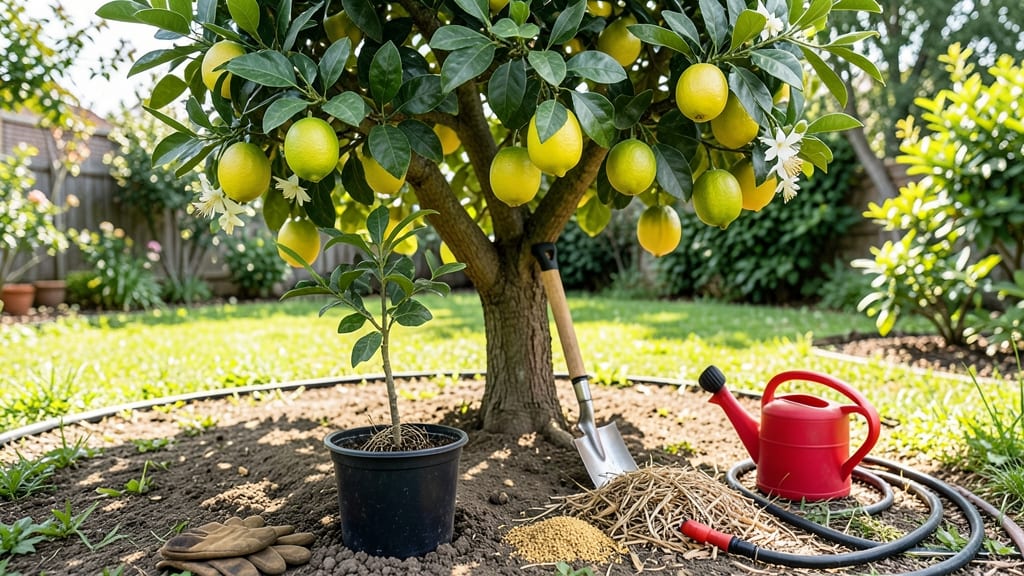
Planting citrus in Arizona between November and March gives your 🍊 trees the best shot at thriving in the desert’s extremes.
Skip this window and you risk stunted growth or even tree failure—especially in high-desert areas where cold snaps sneak in. The key is timing: avoid the brutal summer heat and the monsoon’s downpours, both of which stress young roots.
Below, I break down the exact months for each citrus type (lemon, lime, orange, grapefruit), how to prep your soil for Arizona’s alkaline conditions, and why microclimates matter more than you think.
You’ll also learn how to protect young trees from rare frost and which varieties handle Arizona’s heat like champions—so you can enjoy homegrown fruit year-round.
Best planting months for citrus trees in Arizona’s desert climate
Arizona’s desert climate creates perfect conditions for growing citrus, but timing is everything. Planting outside the ideal window can stress young trees, inviting pests like aphids or citrus leaf miners and slowing growth.
The key is to plant when temperatures are cool but not freezing, allowing roots to establish before summer’s brutal heat arrives.
November through March are the best months for citrus planting in Arizona’s USDA Zone 10a. This window avoids both the scorching summer heat and the rare winter cold snaps that can damage tender roots. For example, a Meyer lemon planted in December will have a full growing season to develop before summer stress hits.
Here’s how to align your planting with Arizona’s unique seasons and citrus types:
| Citrus Type | Best Planting Months | Temperature Range | Key Considerations |
|---|---|---|---|
| Lemon (Meyer, Eureka) | November–February | 50–70°F | Cold-hardy; avoid Jan frost risk in high desert |
| Lime (Key, Persian) | December–March | 55–75°F | Tropical; needs warm soil to root |
| Orange (Navel, Valencia) | November–January | 50–65°F | Sensitive to heat stress; plant early |
| Grapefruit (Ruby Red, White) | December–February | 55–70°F | Needs well-draining soil; avoid summer planting |
| All Citrus (Bare Root) | October–March | 45–75°F | Soak roots before planting; mulch heavily |
Avoid planting during Arizona’s monsoon season (July–September), when intense afternoon thunderstorms can drown young roots. The soil remains too hot for root establishment, and fungal diseases like root rot thrive in saturated ground. Even container-grown citrus struggles in summer heat, so wait until temperatures drop below 90°F before transplanting.
If you must plant in April or October, do so only in shaded areas and provide extra mulch (3–4 inches) to insulate roots.
For example, planting a Calamondin orange in late October gives it time to root before winter’s mild chill, but you’ll need to monitor for early frost in high-desert areas like Flagstaff or Sedona.
Young citrus trees in Arizona also face winter cold snaps, especially in Zone 10a. While most citrus survives 28°F briefly, prolonged freezing temperatures can kill new growth. Protect your trees by wrapping the trunk with burlap and covering them with frost cloth if temperatures dip below 32°F.
A Meyer lemon planted in January might need this extra care if a rare frost hits.
For container citrus, like dwarf varieties, the planting window extends slightly into April because you can move pots to shaded or indoor spaces during heatwaves.
However, even potted trees benefit from early planting—a lemon tree planted in November will bear fruit 6–12 months sooner than one planted in April.
Always check the microcl
How to prepare your Arizona soil and site for citrus planting success
Arizona’s alkaline soil and intense desert sun demand special prep before planting citrus. Without proper soil amendments and site selection, your trees may struggle with nutrient deficiencies or root rot.
Start by testing your soil’s pH level—citrus thrives in slightly acidic soil (6.0–7.0), while Arizona’s native soil often tests at 7.5 or higher.
Most citrus varieties prefer well-draining soil with a mix of organic matter. Native Arizona soil is often heavy clay, which can suffocate roots. Amend it with compost or aged manure to improve texture and fertility. For container planting, use a citrus-specific potting mix with perlite or sand to prevent compaction.
⚠️ callout warning
Citrus trees hate cold air pooling in winter, even in Arizona. Never plant in depressions or valleys where frost pockets form. High desert areas (like Flagstaff) may see light frosts (28°F), while Valley regions (Phoenix) stay frost-free. Choose elevated, south-facing sites for maximum sun exposure and warmth.
Drainage is critical—citrus roots rot quickly in waterlogged soil. If your yard has poor drainage, consider planting in raised beds or mounds. Add a 2–3 inch layer of gravel or coarse sand at the bottom of planting holes to improve drainage.
For container growers, ensure pots have drainage holes and use saucers to catch excess water.
Mulching helps retain moisture and regulate soil temperature. Apply a 3-inch layer of organic mulch (like wood chips or straw) around the base of your tree, but keep it 6 inches away from the trunk to prevent rot. Mulch also blocks weeds, which compete for nutrients and water.
Finally, protect young trees from afternoon sunburn during Arizona’s brutal summers. Use light shade cloth (30–50% shade) for the first few months until roots establish. Once mature, citrus trees handle full sun, but gradual acclimation prevents leaf scorch.
With these soil and site prep steps, your citrus trees will establish strong roots and thrive in Arizona’s challenging climate. Remember: patience is key—young trees may take 1–2 years to bear fruit, but proper prep ensures long-term success.