
Plants
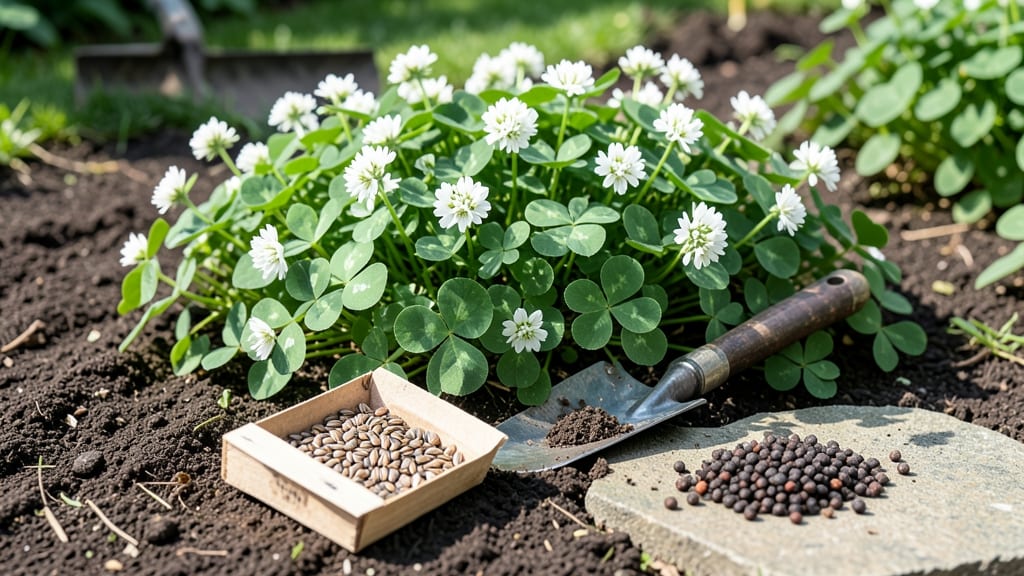
Planting clover in Kentucky works best in early spring or late summer, when soil temperatures hit 50°F and the risk of frost has passed.
Kentucky’s humid climate and rich soils make it ideal for clover—but planting at the wrong time can mean slow growth or even failure. Timing is everything for establishing lush, nitrogen-rich clover that improves your lawn or pasture.
In USDA zones 6a-7b, your window opens around March-April for spring planting, with late summer (August-September) as a reliable backup. Miss these months, and you risk stunted growth or clover that struggles to compete with weeds.
Below, I’ll break down the exact months for red, white, and alsike varieties, how Kentucky’s microclimates shift your timing, and the 5 signs you’ve planted too early or too late.
Optimal Kentucky clover planting months by variety (red, white, OR Alsike)
Kentucky’s humid subtropical climate creates perfect conditions for clover—but timing your planting is critical. The last spring frost typically occurs around April 15, while the first fall frost arrives by October 15.
These dates bookend the ideal windows for establishing red clover, white clover, and Alsike clover, each with unique needs.
Clover thrives in Kentucky’s rich, slightly acidic soils (pH 6.0-7.0) when planted during periods of consistent rainfall and warm soil temperatures. Spring and late summer offer the best balance of moisture and warmth for germination, but each variety responds differently to these conditions.
Let’s break down the optimal planting months for each type to ensure fast establishment and long-term success.
🌱 Pro Tip: Test your soil’s pH before planting—Kentucky’s clay-heavy soils often need lime amendments to reach the ideal 6.0-6.5 range for clover. Aim for soil temperatures above 50°F (10°C) for best results.
Red clover is the most versatile option for Kentucky gardens, thriving in both spring (March-April) and late summer (August-September) plantings. Its deep roots make it ideal for soil improvement, but it requires warmer soil temperatures (55°F+) to germinate quickly. Spring plantings benefit from Kentucky’s abundant April showers, while fall plantings take advantage of cooler temperatures before winter.
For white clover, focus on April-May or September plantings. This variety is more cold-tolerant than red clover, making it perfect for lawn mixes and pasture establishment. September plantings allow roots to establish before Kentucky’s first frost, ensuring stronger growth in spring.
Avoid planting white clover in July or August—Kentucky’s summer heat can cause seed dormancy and slow germination.
Alsike clover is the most sensitive to timing, with April being the only ideal month in Kentucky. Its higher moisture requirements (1.25-1.75 inches/week) align with Kentucky’s spring rainfall patterns, but it struggles with the dry spells that often occur in late summer. Alsike clover is best suited for wetland restoration or areas with consistent irrigation, where its deep taproots can access water.
When preparing your site, till the soil to 4-6 inches deep to loosen Kentucky’s clay-heavy soils and improve drainage. Mix in 2-3 inches of compost to boost organic matter, which clover loves. For pasture mixes, consider overseeding with ryegrass in fall to provide quick ground cover while clover establishes.
After planting, maintain consistent moisture for the first 3-4 weeks
How Kentucky’s microclimates affect clover planting success
Kentucky’s diverse geography creates three distinct microclimates that dramatically impact clover germination and growth. The Bluegrass Region, Pennyrile, and Cumberland Plateau each have unique frost patterns, humidity levels, and soil conditions that demand tailored planting strategies for your clover varieties.
Understanding these differences helps you avoid slow establishment or winter dieback.
Elevation plays a critical role in frost timing. The Cumberland Plateau, with its higher elevations, often experiences earlier frosts than the flatter Bluegrass Region. This means fall planting in Plateau areas should occur 4-6 weeks earlier than in Louisville or Lexington.
Meanwhile, Pennyrile’s lower humidity creates a shorter window for spring planting before summer drought sets in.
| Microclimate | Spring Planting | Fall Planting | Key Consideration |
|---|---|---|---|
| Bluegrass Region | April 1 - May 15 | September 1 - October 10 | High humidity; watch for fungal risks |
| Pennyrile | March 15 - April 10 | August 15 - September 5 | Drier climate; irrigate after planting |
| Cumberland Plateau | April 15 - May 30 | August 1 - September 15 | Cooler nights; extend fall window |
For spring planting, aim to sow red clover or white clover when soil temperatures consistently reach 50°F (10°C). In the Bluegrass Region, this typically aligns with mid-April, while the Pennyrile can start 2-3 weeks earlier thanks to its warmer microclimate.
Always test soil moisture—clover seeds need consistent moisture for 7-10 days after planting to prevent crusting.
Fall planting offers cooler soil temperatures and reduced weed competition, making it ideal for Alsike clover. In elevated areas like the Cumberland Plateau, extend your fall window until mid-September to capitalize on longer daylight before winter.
However, avoid planting after October 1 in any region, as frost-sensitive seedlings won’t establish strong roots before cold snaps.
Adjust your planting method based on local conditions. In humid Bluegrass areas, use no-till drilling to prevent soil compaction, while Pennyrile’s drier soils benefit from light mulching to retain moisture. For all regions, oversowing by 10-15% accounts for uneven germination caused by microclimate variations within your property.
Monitor local frost forecasts—even within 50 miles, frost dates can vary by 2 weeks. Use row covers for early spring plantings in higher elevations to protect tender clover seedlings from unexpected cold snaps.
With the right timing, your Kentucky clover will establish a dense, nitrogen-rich ground cover that thrives across the state’s diverse landscapes. 🌿