
Plants
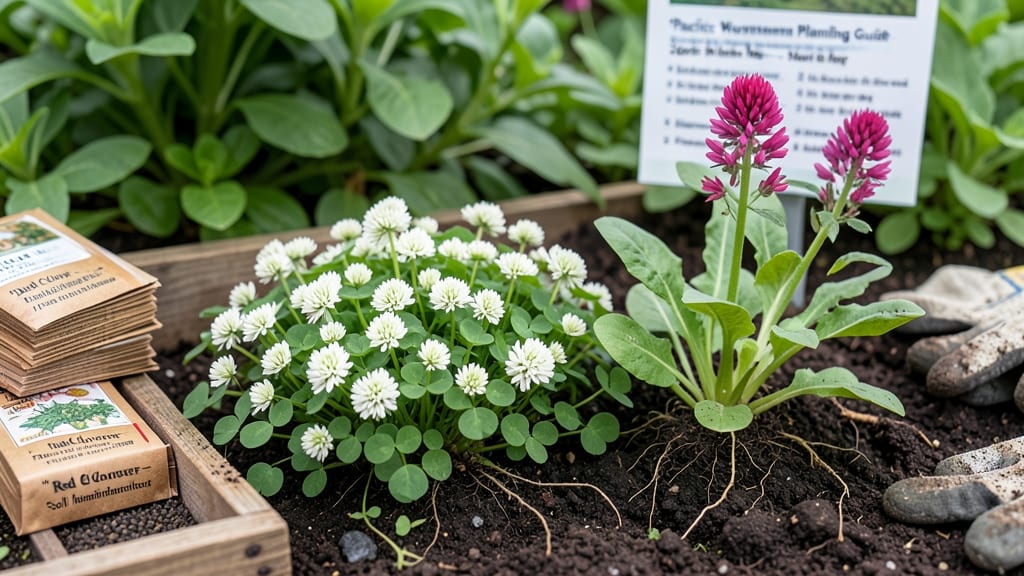
Planting clover in Washington State at the right time ensures fast germination and a lush, hardy lawn or cover crop—whether you’re in the rain-soaked coast or the drier inland zones.
Washington State’s diverse microclimates—from the rainy Pacific Northwest coast to the arid inland areas—can make planting clover feel like a guessing game. But timing is everything for thriving clover growth, whether you’re restoring soil, creating a pollinator-friendly lawn, or growing it as a cover crop.
In Western WA’s USDA zones 7b-9a, aim for early spring (March-April) or early fall (September-October) when soils are workable but not frozen. Inland areas (5b-7a) can push planting slightly later—think April-May—to avoid early frost risks.
Below, I break down the best months for your region, soil prep secrets, and how to pick the right clover variety for your Washington climate—so you can skip the trial-and-error and get straight to success.
Best planting months for clover in Washington’s coastal vs. inland regions
Washington’s diverse microclimates create unique challenges for growing clover. The coastal regions like Western Washington receive high rainfall year-round, while inland areas such as the Columbia Basin experience hot, dry summers and cold winters.
These differences mean your planting timeline should align with your specific location to ensure optimal germination and establishment.
For coastal areas, such as the Olympic Peninsula and Puget Sound, the best planting window is typically March through April or September through October. The mild coastal climate allows for early spring planting, while fall planting helps clover establish roots before winter rains arrive.
In contrast, inland regions like Eastern Washington and the Columbia Basin should focus on late March to early May or late August to early September to avoid summer heat stress.
Clover thrives in USDA zones 5b-9a, but microclimate variations within these zones mean your last frost date could differ by weeks. For example, Western WA typically sees its last frost around March 15, while Eastern WA may not reach that milestone until May 1.
Understanding these frost timelines is critical for successful clover planting.
In coastal regions, the high humidity and cool temperatures create ideal conditions for spring planting. However, fall planting is also beneficial because clover can establish roots before the heavy winter rains begin.
If you’re planting in Western Washington, aim to finish sowing by mid-October to allow for root development before winter dormancy.
For inland areas, the hot, dry summers can stress young clover plants, so spring planting should occur as soon as the soil temperature reaches 50°F.
In Eastern Washington, this often means waiting until late March or April. Fall planting in these regions should wrap up by early September to avoid early frost, which can damage tender new growth.
One critical factor across all regions is soil temperature. Clover seeds germinate best when soil temperatures are between 50°F and 70°F. In cooler coastal areas, this may mean waiting until April, while inland regions can start earlier if the soil warms quickly.
Use a soil thermometer to check conditions before planting to ensure optimal germination rates.
If you’re planting red clover or white clover for pollinator support, timing matters even more. These varieties thrive when planted in early spring so they can bloom by late spring or early summer, providing critical nectar for bees and butterflies.
In coastal areas, this means aiming for a March planting, while inland growers should plant by mid-April.
Finally, consider your clover’s purpose. If you’re using it as a cover crop to improve soil health, fall planting is often best. The clover will establish roots before winter and suppress weeds in spring. For hay production, spring planting ensures a full growing season before harvest. Adjust
How to adjust planting timing for clover varieties (red, white, Alsike, crimson)
Each clover variety thrives under different Washington State conditions, so timing matters. Red clover and crimson clover are heat-tolerant but need cool starts, while white clover and Alsike clover handle cooler soils better. Matching your variety to your microclimate ensures faster germination and stronger growth.
Western Washington’s cooler, wetter springs (like in USDA Zone 7b) favor early spring or fall planting for all varieties. In Eastern WA’s drier climate (like Zone 5b), late summer or early fall planting avoids summer drought stress. Let’s break down the best timing for each type.
| Variety | Best Planting Time | Cold Hardiness | Washington Region Fit | Key Tip |
|---|---|---|---|---|
| Red Clover | Early spring (March-April) or late summer (August) | Moderate (dies in frost) | Western WA (coastal, Puget Sound) | Plant before soil temps hit 70°F to avoid bolting. |
| White Clover | Early spring (March) or fall (September-October) | High (survives light frost) | All regions (ideal for lawns) | Perfect for cool-season establishment—avoid summer heat. |
| Alsike Clover | Late spring (May) or early fall (September) | Moderate (needs cool roots) | Eastern WA (Palouse, Columbia Basin) | Plant after last frost—avoids winter kill. |
| Crimson Clover | Late summer (August-September) | Low (dies in frost) | Western WA (coastal, lowlands) | Best for winter cover crops—plant before first frost. |
Red clover should be sown in early spring (March-April) in Western Washington to take advantage of cool, moist soils. This variety bolts quickly in heat, so avoid planting after May 1 in most regions. For Eastern WA’s drier climate, late summer (August) planting works well—just ensure consistent moisture during germination.
White clover is the most flexible variety for Washington’s climate. It handles early spring (March) or fall planting (September-October) without stress. Its high cold tolerance makes it ideal for lawns or soil restoration in both coastal and inland areas. Overseed in fall for spring green-up.
Alsike clover thrives in Eastern WA’s cooler nights but struggles with summer heat. Plant in late spring (May) after the last frost or in early fall (September) to avoid bolting. This variety is perfect for dryland farming in the Columbia Basin due to its drought tolerance once established.
Crimson clover is a late-season specialist, best planted in August-September for winter cover crops. It dies with frost, so time it to establish before first frost (typically October 1 in Eastern WA). In Western WA’s milder climate, you can extend planting into early October.
For all varieties, soil temperature is critical. Use a soil thermometer—ideal germination occurs at 60-70°F. In cooler regions (like Mount Rainier), delay planting until soil warms to prevent rot.
Adjust your timing based on microclimate, and always water deeply after planting to encourage root growth. 🌱