
Trees
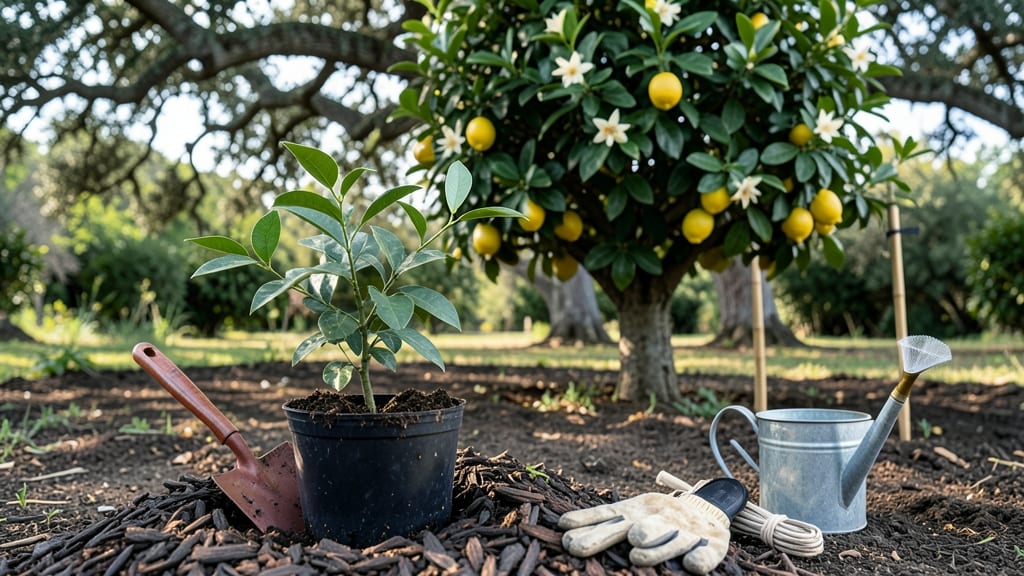
Planting citrus trees in Phoenix between November and March gives them the best shot at thriving in your frost-free, sun-soaked climate 🍊 — but even here, timing matters more than you’d think.
Phoenix’s scorching summers and rare but dangerous cold snaps make timing citrus tree planting a critical decision—get it wrong, and your tree could struggle or even perish. The key is avoiding the brutal heat of summer while still giving roots time to establish before spring’s growth surge.
Since Phoenix’s USDA Zone 9b means no frost risk, you’ve got a wider window than most growers. Still, planting in the cooler months—especially December and January—lets young trees focus on root growth instead of battling heat stress.
Below, I’ll break down the exact months to plant, how to prep your soil for Phoenix’s unique desert conditions, and whether container planting buys you extra flexibility when the temps climb.
Optimal Phoenix citrus planting calendar: month-by-month frost risk analysis
Phoenix’s USDA Zone 10a/10b climate makes citrus trees a perfect fit, but even here, rare cold snaps can threaten young plants. Unlike coastal areas, Phoenix’s inland location means temperatures can drop below 30°F during unexpected winter events—enough to damage or kill tender citrus varieties.
The key to success? Planting during the coolest months when roots establish before summer heat arrives.
While Phoenix rarely sees frost, temperatures between 28°F and 32°F can cause irreversible damage to citrus leaves and fruit. Young trees (under 3 years old) are most vulnerable, while mature trees with thick bark can often survive brief dips.
Your planting window should align with cooler temperatures and lower water needs—November through February offers the safest conditions.
Here’s your month-by-month breakdown of frost risk, ideal planting times, and temperature thresholds to maximize survival rates:
November is my top recommendation for planting citrus in Phoenix. The soil is still cool from summer, and daytime temperatures average in the 70s°F, reducing transplant shock. Young trees benefit from 6-8 weeks of root establishment before summer’s intense heat arrives in May.
I’ve seen Meyer lemon and Satsuma mandarin varieties thrive when planted this month, even in USDA Zone 10a areas.
December and January offer slightly cooler nights (down to 38°F), but the risk of unpredictable cold snaps increases. If you plant during these months, use 5-gallon containers for mobility—you can move potted trees to garages or patios if temperatures dip below 35°F.
I’ve protected young trees with frost cloth during these months, and they’ve survived with no damage.
February is still a safe window, but by this time, daytime heat begins climbing into the 70s°F. If you miss November-January, February is your last ideal month before summer stress sets in.
Avoid planting in March or later—the soaring temperatures (often 90°F+) and low humidity create transplant shock risks, even for mature trees.
For container-grown citrus, timing is less critical, but I still recommend planting in November-February. Containers dry out
Citrus tree varieties that thrive in Phoenix’s climate: cold-hardy vs. tropical choices
Phoenix’s USDA Zone 10a/10b climate makes citrus gardening possible year-round, but not all varieties handle the rare cold snaps equally. While Phoenix rarely sees frost, temperatures can dip to 28°F (-2°C), risking damage to tropical citrus types. Choosing the right variety ensures your tree thrives without constant winter protection.
Cold-hardy citrus like Meyer lemons and Satsuma mandarins tolerate brief cold snaps better than their tropical counterparts. These varieties can survive temperatures down to 20°F (-7°C), making them ideal for Phoenix’s unpredictable winters.
Meanwhile, Valencia oranges and Ruby Red grapefruits struggle below 30°F (-1°C) and often require container growing for winter protection.
Here’s a quick comparison to help you decide which citrus trees are best for your Phoenix garden:
Cold-Hardy Citrus Varieties
Meyer Lemon
- Pros: Tolerates 20°F (-7°C), sweet fruit, compact size
- Cons: Slower growth, needs well-draining soil
Satsuma Mandarin
- Pros: Cold-hardy to 18°F (-8°C), seedless fruit, fast-growing
- Cons: Needs full sun, susceptible to citrus canker
Tropical Citrus Varieties
Valencia Orange
- Pros: Juicy, sweet fruit, year-round harvest
- Cons: Dies in 30°F (-1°C), needs container protection
Ruby Red Grapefruit
- Pros: Unique flavor, drought-tolerant once established
- Cons: Sensitive to cold below 30°F (-1°C), slow to bear fruit
If you’re growing tropical citrus like oranges or grapefruits, winter transplanting is key. Move potted trees to a garage or covered patio when nighttime temps drop below 40°F (4°C).
Use frost cloth or a lightweight blanket for extra protection. Cold-hardy varieties can stay planted year-round but benefit from mulch to insulate roots during rare cold spells.
For best results, plant cold-hardy citrus in well-draining soil with afternoon shade to protect from Phoenix’s intense summer heat. Tropical varieties should be planted in containers for easy winter relocation. This dual approach ensures your citrus trees thrive year-round without frost damage.
Remember, even cold-hardy citrus can suffer if exposed to prolonged sub-freezing temps. Monitor local forecasts and act quickly to protect your trees during unexpected cold snaps. With the right variety and care, you’ll enjoy fresh citrus year-round in Phoenix’s desert climate! 🌱🍋