
Plants
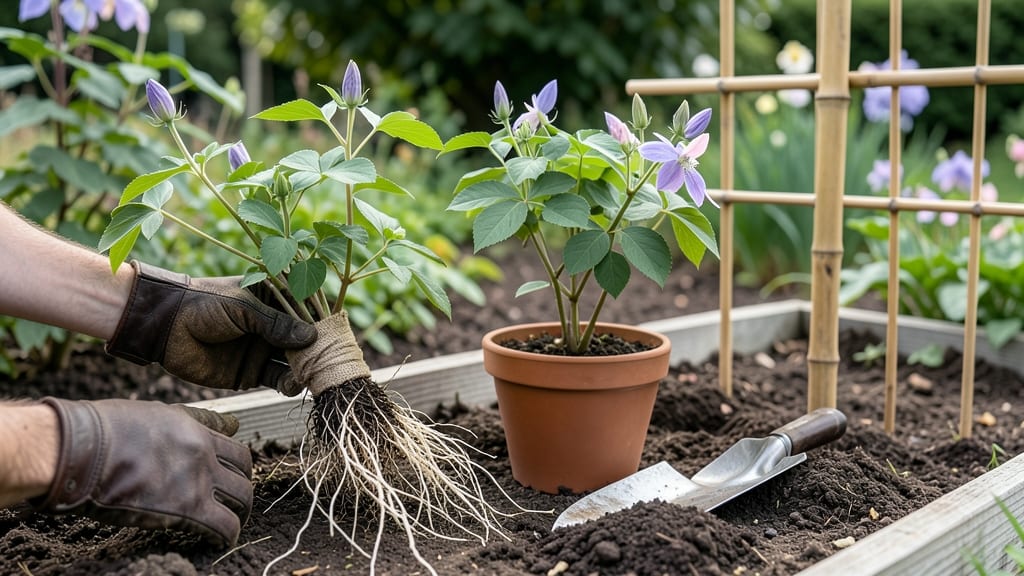
Plant clematis in Ohio between early spring and early fall, when soil temperatures rise above 50°F and frost risk fades — typically March-April or September-October.
Ohio’s unpredictable spring weather can leave gardeners guessing—plant clematis too early, and frost may strike; too late, and your vines miss peak growth. Timing is everything for these stunning climbers, but mastering Ohio’s planting windows ensures lush, blooming vines year after year.
In Zone 6a, where most of Ohio falls, the ideal window is just after the last frost date (around April 15) but before summer heat sets in. Fall planting offers a second chance, letting roots establish before winter dormancy.
Below, I’ll break down the exact months for your region, soil prep secrets to avoid common mistakes, and how to give your clematis the best start for bigger blooms next season.
Ohio clematis planting calendar: exact months by hardiness zones 5-6
Ohio’s USDA Zones 5-6 offer two prime windows for planting clematis vines: early spring and early fall. Each season brings unique advantages—spring kickstarts growth while fall allows roots to establish before winter.
But timing matters, especially in Ohio’s unpredictable frost patterns, where last frosts can linger into mid-April in northern zones (5a) or arrive by late March in southern Ohio (6b).
For container-grown clematis, you gain flexibility to plant slightly earlier in spring or later in fall, but soil temperature thresholds remain critical. In-ground planting demands more precision—soil must reach 50°F (10°C) at 4-inch depth before transplanting.
This guide breaks down exact months by zone, frost risk analysis, and soil prep tips to ensure your vines thrive from day one.
Pro Tip: Use a soil thermometer to confirm readiness—warm soil speeds root establishment, while cold soil can stunt growth or invite rot. In Ohio, this often means waiting until mid-April for Zone 5a or early April for Zone 6b. For fall planting, aim for late September to early October to allow roots to anchor before frost.
In Zone 5a, where frosts linger later, I recommend waiting until mid-April for in-ground planting. Container-grown clematis can go in 2 weeks earlier (early April) because their roots warm faster.
For Zone 6b, early March is ideal—soil often reaches 50°F by late February, but verify with a thermometer to avoid false starts.
Fall planting in Ohio offers a 30-50% higher success rate for clematis because established roots handle winter better. In Zone 5a, aim for late September—soil stays warm enough for root growth but cools before first frost (October 15).
In Zone 6b, you can push to early November, but monitor forecasts for early cold snaps.
Soil temperature is your #1 guide. Use a soil thermometer to confirm 50°F (10°C) at 4-inch depth—this is the magic number for root activity. In Ohio’s clay-heavy soils, amending with compost or sand improves warmth retention.
For containers, use well-draining mix and place pots in south-facing spots to accelerate soil warming.
After planting, mulch heavily (3-4 inches) to protect roots from freeze-thaw cycles. In spring, remove mulch in late April to prevent rot. For fall-planted vines, leave mulch until
5 Critical signs your Ohio soil is ready for clematis (and 3 mistakes to avoid)
Ohio’s spring soil conditions can be tricky—too cold and your clematis roots won’t establish, but too warm too soon invites pests. The key is spotting 5 clear signs that your soil is primed for planting.
These indicators align with Ohio’s USDA Zones 5-6, where timing often means the difference between thriving vines and struggling starts.
First, check the soil temperature. Clematis roots need soil that’s warmed to at least 50°F (10°C)—use a soil thermometer to confirm. In Ohio, this typically happens by mid-April in southern regions and late April in northern zones.
A cold snap can delay this by weeks, so don’t rush planting just because calendar says spring.
Next, observe moisture levels. The soil should be evenly damp but not soggy. Stick your finger 2 inches deep—if it feels dry, water thoroughly 24 hours before planting. Ohio’s spring rains can make soil too wet, leading to root rot, so well-draining soil is non-negotiable.
Here’s where Ohio’s last frost dates come into play. Aim to plant clematis 2-3 weeks after your area’s average last frost—usually April 15 for southern Ohio and May 1 for northern areas. Use local frost data from your county extension office for precision.
Look for emerging soil life, like earthworms and spring crocuses blooming. These signals confirm the soil ecosystem is active and ready to support new roots. Even ant hills appearing means the ground is warming up—perfect timing for clematis.
Finally, test sunlight exposure. Clematis thrives with 6+ hours of sun daily, but Ohio’s partial shade in summer afternoons can help in hot zones. If your spot gets morning sun and afternoon shade, it’s ideal for most varieties.
- 1 Soil temp at 50°F+ – Use a thermometer to confirm roots won’t freeze.
- 2 Even moisture, not soggy – Finger-test 2" deep; water if dry 24 hours before planting.
- 3 2-3 weeks post last frost – Southern OH: mid-April; Northern OH: early May.
- 4 Active soil life – Earthworms, crocuses, or ant hills signal warming soil.
- 5 6+ sun hours daily – Morning sun + afternoon shade ideal for Ohio’s heat.
Now, let’s talk mistakes to avoid. First, planting too deep—burying the crown more than 2-3 inches causes rot. Second, ignoring root protection in Ohio’s winters; mulch heavily after planting. Third, skipping sun exposure checks—shady spots lead to leggy, weak growth.
Pro tip: If you’re in northern Ohio, consider fall planting in September for an earlier spring start. Just ensure soil temps stay above 40°F (4°C) to prevent frost damage. With these signs and pitfalls in mind, your clematis will take off like a pro!