
Companion Plants
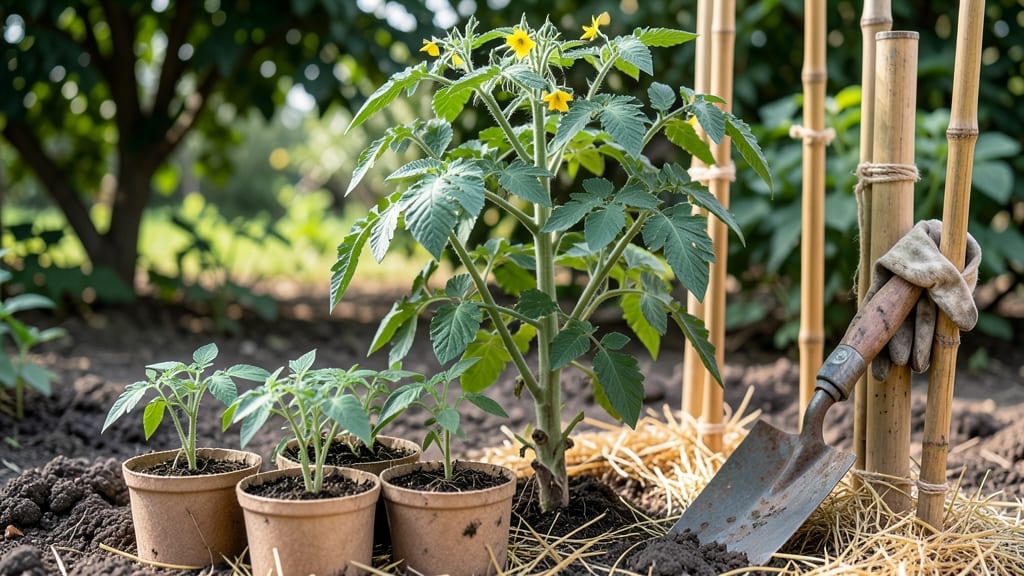
You should plant tomatoes in Texas between mid-February and early April for spring harvests, or in August to September for fall yields — but the exact timing depends on your zone.
Texas gardeners know timing is everything — plant too early and risk frost, too late and face scorching heat. But with the Lone Star State's unique climate zones, the perfect window varies dramatically from East Texas to the Hill Country.
In Zone 8a (North Texas), wait until March 15 when soil warms to 60°F, while South Texas gardeners can start as early as February 1. Central Texas falls in between, with ideal transplant dates in late February to early March.
Below, I break down the exact months for each zone, heat-resistant varieties, and how to adjust for Texas' unpredictable weather — so you get maximum yield without the guesswork.
Texas tomato planting calendar by climate zone (exact months for success)
Texas gardeners know timing is everything—plant tomatoes too early and risk frost, too late and face scorching heat.
But with the Lone Star State's unique climate zones, the perfect planting window varies dramatically from East Texas to the Hill Country. North Texas faces late frosts, while South Texas battles summer heat waves. Let's break down the exact months for each zone to maximize your tomato yield.
Texas is divided into four key climate zones for tomato planting: North (USDA Zones 7b-8a), Central (8a-9a), South (9a-10a), and West (8a-9b). Each zone has distinct last frost dates and heat tolerance thresholds.
For example, North Texas gardeners must wait until mid-April for safety, while South Texas can start as early as January.
Here's your Texas tomato planting calendar by zone, including ideal start dates for seeds and transplants, plus heat-tolerant variety recommendations. Use this as your guide to avoid frost damage and scorched plants.
🌱
For North Texas gardeners, the window is tight—wait until after March 15 to avoid frost damage. Start seeds indoors in mid-February for early transplants.
In Central Texas, you can begin as early as late January indoors, with outdoor planting from March 1 onward. South Texas offers the longest growing season, allowing for year-round production with strategic fall plantings.
In West Texas, where heat arrives early, focus on heat-tolerant varieties like 'Mountain Merit' and plant transplants by March 15. The key is to avoid planting when soil temperatures exceed 90°F, which stresses young plants.
Use black plastic mulch to warm soil faster in cooler zones like North Texas.
Don't forget about fall planting! Texas' mild winters allow for a second harvest. In North Texas, plant transplants by August 15 for a late-season crop. Central and South Texas can extend this window until September 15, giving you tomatoes well into November.
Pro tip: Use shade cloth during extreme heat waves (above 100°F) to protect plants. Also, consider succession planting—sow new seeds every 2-3 weeks in spring for continuous harvests. This works especially well in South Texas, where the growing season stretches nearly year-round.
🌿
One common mistake Texas gardeners make is planting too early based on false spring patterns. A warm February doesn't mean frost is over—always check your local average last frost date.
For real-time updates, use the Texas A&M AgriLife Extension frost maps or set up a frost alert system in your area.
Remember, soil temperature matters just as much as air temperature. Use a soil thermometer to confirm it's at least 60°F before planting. In cooler zones, black plastic mulch can raise soil temps by 10-15°F, giving you an earlier start.
For container gardening, use heat-absorbing pots and move them to sunnier spots during cooler mornings.
🪴
How to adjust planting time for Texas heat waves and early freezes
Texas' weather can be as unpredictable as a summer storm—one day it's 60°F and perfect for planting, the next it plummets to 32°F overnight. I've learned the hard way that false spring patterns can trick even experienced gardeners into planting tomatoes too soon.
The key is adapting your schedule to soil temperatures, not just air temperatures, and using smart strategies to protect young plants from both early freezes and scorching heat waves.
For North Texas gardeners, where frost can linger until mid-March, I recommend waiting until mid-April for transplants unless you're using row covers or a high tunnel.
In Central and South Texas, where last frost dates vary from February to January, you can plant earlier—but watch for those unpredictable cold snaps that hit even in March.
The secret weapon? Black plastic mulch to warm the soil faster and shade cloth to protect seedlings during sudden heat spikes.
⚠️ callout warning ⚠️
Texas' false spring patterns—warm days with freezing nights—are notorious for killing young tomato plants. Never plant before your average last frost date, even if daytime temps feel spring-like. Use a soil thermometer—tomatoes need 60°F+ soil to thrive. For extra protection, try succession planting: start a second batch 2-3 weeks later to hedge your bets against late frosts.
One of my favorite tricks is succession planting in two waves: the first batch goes in as soon as the soil warms to 60°F, and the second batch follows 2-3 weeks later. This ensures a continuous harvest and minimizes losses if an unexpected freeze hits.
For heat waves, I use 30-50% shade cloth during the hottest afternoons (typically 11 AM to 3 PM) to prevent sunscald on young plants. Remove it by late afternoon to allow full sunlight for fruiting.
Don't overlook soil warming techniques like clear plastic mulch or straw bales under row covers. These can raise soil temps by 5-10°F, giving you a 2-3 week head start on the season.
In West Texas, where heat arrives early, I plant heat-tolerant varieties like 'Solar Fire' and use drip irrigation to keep roots cool. For East Texas humidity, I opt for disease-resistant types like 'Mountain Merit' and space plants 18-24 inches apart for better airflow.
Pro tip: Monitor the National Weather Service's freeze warnings and use frost cloth or row covers for the first 10-14 nights after planting. I also keep a fan nearby—gentle airflow at night can raise temps by 2-5°F and prevent frost damage.
And remember: tomatoes planted in August for fall harvests need shade during summer's peak but should transition to full sun by September to set fruit before the first frost.
Finally, pay attention to plant signals. If your tomatoes drop flowers during heat waves, it's a sign they need evening shade or more consistent watering. And if leaves curl or yellow after a freeze, prune back damaged growth and fertilize lightly to encourage recovery.
With these adjustments, you can beat Texas' weather and enjoy homegrown tomatoes from June through October. 🌱