
Plants
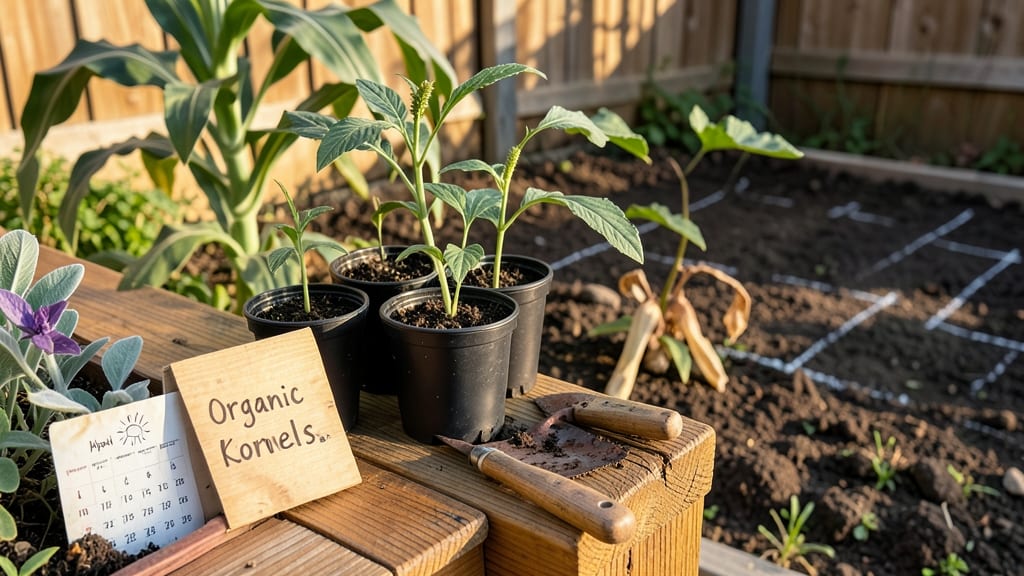
Planting corn in East Texas after the last frost and when soil hits 60°F sets you up for a 6-foot-tall harvest by summer.
Timing your corn planting in East Texas can mean the difference between a bumper crop and a failed harvest—get the soil temps and frost-free window wrong, and you risk stunted growth or complete crop loss.
In Zone 8a, where late freezes linger into March, waiting until mid-April (after the average March 15 last-frost date) is the safest bet for most varieties. But urban heat islands in Houston can push that window earlier, while rural areas near Tyler may need to wait longer.
Below, I’ll break down the exact soil temperature thresholds, regional frost-free timelines, and how to pick corn varieties that thrive in East Texas’ heat and humidity—so you can time your planting like a pro.
Ideal soil temperature and frost-free dates for East Texas corn planting
Corn thrives in East Texas when planted after the last frost date and when soil temperatures consistently reach 50°F or warmer. These conditions ensure strong germination and healthy growth.
In USDA Zone 8a/8b, timing varies slightly between cities like Houston, Tyler, and Longview, but the general rule applies: wait until the soil warms up before sowing seeds.
For most of East Texas, the average last frost date falls between March 15 and April 1. However, microclimates—especially in urban areas like Houston—can delay frost by a week or more.
Always check local weather forecasts or use a soil thermometer to confirm readiness. Corn seeds won’t germinate below 50°F, so rushing planting risks poor yields.
Here’s a quick reference for key regions in East Texas:
If you’re planting early-maturing varieties (like 'Silver Queen'), you can start seeds indoors in late February and transplant after the last frost. For field corn or late-season varieties, wait until soil temperatures hit 60°F+ to ensure vigorous growth.
I’ve found that planting too early—even with warm soil—can lead to fungal diseases if nights stay chilly.
Use a soil thermometer to monitor temperatures at a depth of 2 inches. If readings dip below 50°F for more than a few days, delay planting. Corn seeds need consistent warmth to break dormancy and sprout uniformly.
In my garden, I’ve seen seeds take 7–14 days to germinate when soil temps are ideal, but this doubles if conditions are marginal.
Another key factor is day length. Corn responds to longer daylight hours, so planting in April or May gives you the best balance of warm soil and increasing sunlight. Avoid planting after June 1 in most of East Texas, as summer heat can stress plants before they mature.
For fall harvests, consider succession planting every 2 weeks from April to early June.
For gardeners in USDA Zone 8a (like Tyler), aim to finish planting by May 15 to avoid summer heat stress. In Zone 8b (Houston), you have a slightly longer window—up to June 1—but prioritize shade cloth or drip irrigation to protect plants during peak heat.
I’ve had success with drought-tolerant varieties like 'Peaches & Cream' in hotter microclimates.
To extend your growing season, use row covers or low tunnels for early plantings. These can raise soil temperatures by 5–10°F and protect young seedlings from late frosts.
Just remove covers once plants are 6 inches tall to prevent overheating. In my experience, this extra warmth can shave 1–2 weeks off the time to maturity.
Finally, keep an eye on weather forecasts for late spring freezes. Even in Zone 8, unexpected cold snaps can occur. If frost is predicted after planting, cover seedlings with frost blankets or old sheets.
Corn is sensitive to cold, and damage at this stage can stunt growth or kill plants entirely. Always have a backup plan!
Best corn varieties for East Texas and their planting windows
East Texas gardeners have three main corn categories to choose from: sweet corn for quick harvests, field corn for larger yields, and drought-resistant varieties that thrive in Texas' unpredictable summers.
Each type has specific planting windows to avoid heat stress and ensure successful pollination. Let me break down the best options for your garden.
For sweet corn, 'Silver Queen' remains a classic choice with a 70-day maturity and tender kernels perfect for boiling or grilling. Plant this variety mid-April to early May when soil temps hit 60°F+.
The earlier planting avoids the brutal July-August heat that can cause kernel shriveling. If you're in Houston's urban heat islands, consider starting seeds indoors 4 weeks before your target outdoor date.
| Variety | Type | Planting Window | Days to Maturity | Heat Tolerance | Drought Resistance |
|---|---|---|---|---|---|
| Silver Queen | Sweet Corn | Mid-April to early May | 70 days | Moderate | Low |
| Peaches & Cream | Sweet Corn | Late March to early June | 85 days | High | High |
| Pioneer 39G23 | Field Corn | April to early May | 120 days | Very High | Moderate |
| Golden Bantam | Heirloom Sweet | Late April to May | 65 days | Low | None |
If you're dealing with East Texas droughts, 'Peaches & Cream' is my top recommendation. This variety handles 90°F+ temps and dry spells better than most sweet corn, with a longer maturity window (85 days).
Plant it late March to early June—this staggered approach ensures you're not caught in the peak summer drought months. For field corn like 'Pioneer 39G23', focus on April to early May planting to avoid heat stress during pollination.
For heirloom lovers, 'Golden Bantam' is a charming 65-day variety that thrives in cooler East Texas springs. However, its low heat tolerance means you must plant by late April to avoid kernel issues.
This variety is perfect for container growing in urban gardens where space is limited. Always pair it with shade cloth if summer temps creep above 95°F.
Pro tip: Succession planting works wonders in East Texas. Plant Silver Queen in mid-April for a July harvest, then follow with Peaches & Cream in early June for a late September crop. This strategy spreads out your harvest and reduces pressure on your garden during peak heat.
Just remember to thin seedlings to 12 inches apart once they're 6 inches tall—this prevents overcrowding and improves air circulation.
Finally, don't overlook soil prep for these varieties. East Texas clay soils need 2-3 inches of compost mixed in before planting, and a mulch layer of straw helps retain moisture during those 100°F+ summer days.
With the right variety and timing, you'll enjoy homegrown corn from July through October—just in time for fall festivals! 🌽