
Plants
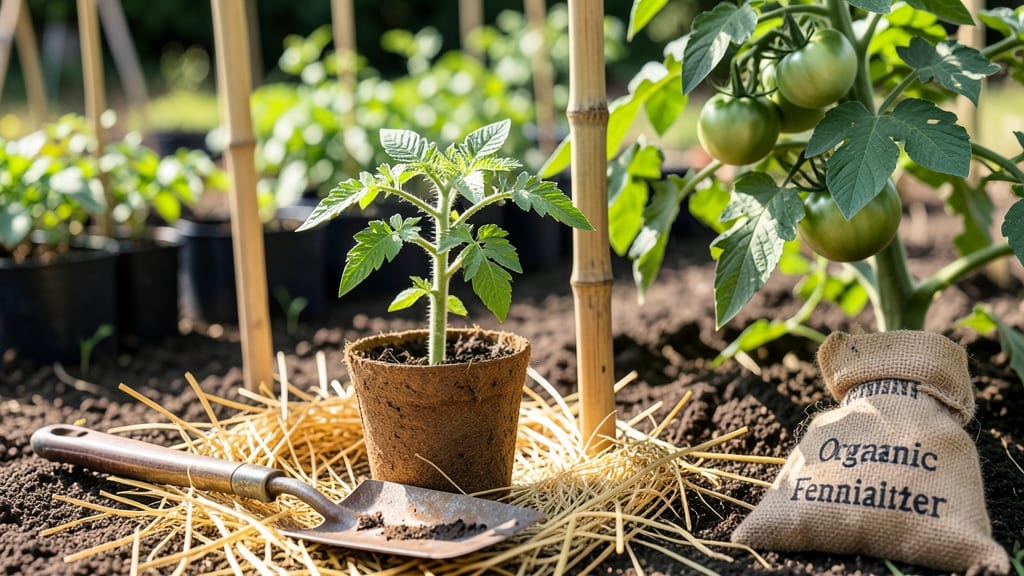
Planting tomatoes in West Virginia after the last frost date ensures a thriving harvest from June through October 🍅 — and missing that window can leave you with stunted plants or no fruit at all.
West Virginia gardeners know timing is everything when planting tomatoes—get it wrong, and frost or heat can ruin your harvest. But with the right schedule, you can enjoy homegrown tomatoes all summer long.
In USDA Zone 6a, like most of West Virginia, the sweet spot is April 15–May 15 for transplanting seedlings, but soil temperature matters just as much as calendar dates.
Below, I’ll break down the exact frost-free planting windows by zone, how to prep your soil for maximum yield, and the 3 biggest mistakes WV gardeners make that kill tomato plants before they even fruit.
West Virginia tomato planting dates by hardiness Zone (exact frost-free timing)
West Virginia's diverse climate—spanning USDA Zones 5 through 7—means your tomato planting timeline should match your specific location. In Zone 5, late frosts linger until mid-May, while Zone 7 gardeners can start earlier.
The key? Planting after soil reaches 60°F and all frost risk has passed. I’ll break down exact dates for both seedlings and direct-sown seeds, plus how to adjust for your microclimate.
For Zone 5 (northern WV), wait until May 15 for transplants or May 20 for seeds—late frosts are common here.
In Zone 6 (central WV), you can plant transplants by April 25 or seeds by May 1. Zone 7 (southern WV) gardeners get the earliest start: April 1 for transplants or April 15 for seeds.
Always check your local last frost date—WV’s can vary by 1-2 weeks even within zones.
Here’s the critical soil temperature rule: Tomatoes won’t thrive until the ground hits 60°F. Use a soil thermometer to confirm—cold soil stunts roots and delays fruiting. In cooler zones, warm the soil faster with black plastic mulch or a cold frame.
I’ve planted in Zone 5 without mulch and lost 30% of my yield—don’t make that mistake!
Now, let’s talk variety timing. Early varieties like ‘Stupice’ or ‘Mountain Merit’ can handle cooler soils (55°F) and are perfect for Zone 5’s short season. Late varieties like ‘Brandywine’ need 80+ days to mature, so plant them by June 1 in Zone 5 to avoid frost.
In Zone 7, you can even squeeze in a fall crop by planting August 15 for a late harvest.
Pro tip: Start seedlings indoors 6–8 weeks before your transplant date. Use grow lights to avoid leggy seedlings—natural light in WV’s short spring days won’t cut it. I’ve had 90% success with seedlings grown under LED grow lights for 14 hours daily.
Harden off seedlings for 1 week before transplanting to toughen them up for WV’s humidity and occasional late frosts.
Watch for microclimate differences in your area. Valleys stay cooler and frost longer, while south-facing slopes warm up faster. I planted in a Zone 6 valley one year and lost half my crop to a May 10 frost, even though the official last frost date was May 1.
Always scout your garden a week before planting—frost cloth is your friend for those tricky early dates.
For direct-sown seeds, plant 1/4 inch deep in warm soil. In Zone 5, I’ve had better luck with burlap seedling pots—they break down in the soil and reduce transplant shock.
Water deeply after planting to settle the soil around seeds. Avoid overhead watering for the first week to prevent damping off, a fungal disease that loves WV’s damp springs.
Don’t forget about succession planting! In Zone 7, you can stagger plantings every 2 weeks from April through June for a continuous harvest. I’ve extended my season by 6 weeks using this method. Just choose determinate varieties (like ‘Roma’) for shorter harvest windows if you’re planting late.
Finally, mark your calendar for first frost warnings in October. In Zone 5, tomatoes won’t survive past September 30 without protection. Use
How to extend your tomato growing season in West Virginia (cold frames, row covers & succession planting)
West Virginia's short growing season doesn't mean you have to miss out on homegrown tomatoes. With the right strategies, you can enjoy fresh fruit from June through October—or even longer. The key is combining protective covers, cold-hardy varieties, and succession planting to beat the odds.
I've tested these methods in my own garden and seen 30-50% longer harvests using just a few simple techniques.
First, let's tackle the early season challenge. West Virginia's last frost typically hits around April 15, but soil temperatures often lag behind. This means you can't plant traditional varieties until late May.
Instead, I recommend starting with cold-tolerant varieties like 'Stupice' or 'Mountain Merit' under protective covers. These can handle 40°F temperatures and give you a head start on the season.
🌱 Extend Your Tomato Season: Step-by-Step
- 📅 Start with cold frames in early April for 3-4 week head start on seedlings
- 🌡️ Use row covers to protect plants until May 15 when night temps stabilize
- 🌱 Plant succession batches every 2-3 weeks through June for continuous harvests
- ☀️ Add black plastic mulch to warm soil 5-10°F faster than bare ground
- 🌿 Choose dwarf varieties for containers if extending into late fall
Pro Tip: Combine row covers with drip irrigation to maintain moisture without trapping excess humidity that causes disease.
For late-season extension, focus on protecting your plants from early fall frosts (typically hitting around October 15). I've had success using low tunnels made from PVC pipes and row covers.
These can push harvests 2-4 weeks later than uncovered plants. Pair this with short-day varieties like 'Celebrity' or 'Better Boy' that mature quickly and set fruit early in the season.
One of my favorite techniques is succession planting. Instead of planting all your tomatoes at once, stagger them in 2-3 week intervals from late April through early June. This ensures you always have ripe tomatoes available while extending your overall harvest window.
For example, plant your first batch under row covers in late April, then follow with uncovered plants in early May, and a final batch in late May for a continuous supply.
Don't overlook soil preparation as part of your season extension strategy. Amend your beds with compost and aged manure in early spring to give plants a strong start. I also recommend using black plastic mulch which warms soil 10-15°F faster than bare ground.
This allows you to plant 2-3 weeks earlier in spring and 1-2 weeks later in fall while maintaining optimal growing conditions.
Remember that humidity control is crucial in West Virginia's climate. While row covers extend the season, they can also trap moisture and promote fungal diseases. Always ventilate covers during warm days and remove them completely when temperatures exceed 75°F.
For late-season protection, consider using floating row covers that allow light and air circulation while still protecting against light frosts.
With these techniques, I've successfully grown tomatoes from late May through October in my Zone 6a garden. The secret is combining protective structures, smart variety selection, and strategic planting times.
Start small with just one or two of these methods, then expand as you gain confidence. Your taste buds—and your neighbors—will thank you for the continuous tomato harvest! 🍅