
Plants
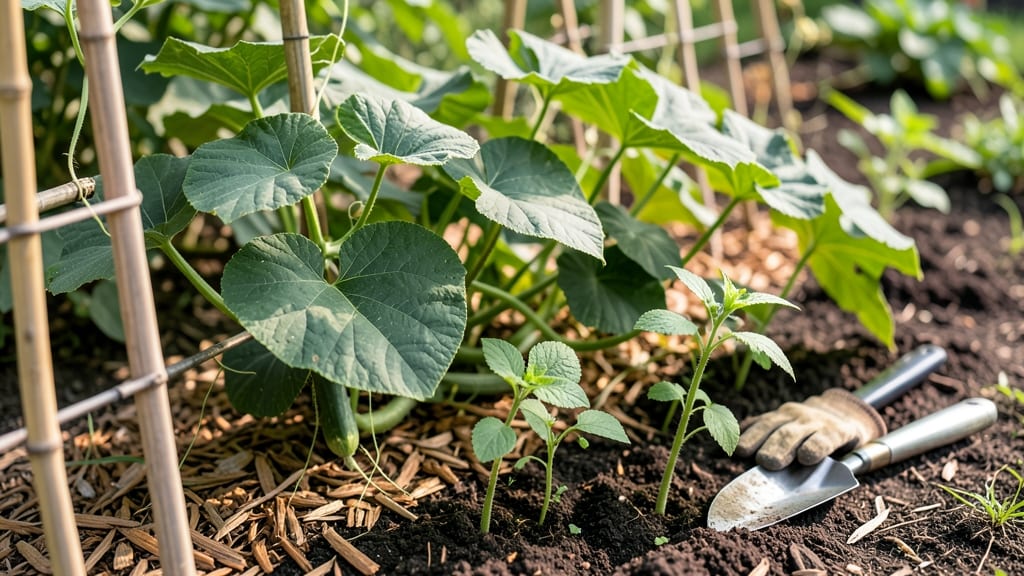
Plant cucumbers in Central Texas when soil temperatures hit 60°F and the last frost has passed — that’s mid-March for spring and late July for fall, timing that avoids both cold snaps and scorching summer heat.
Central Texas gardeners know timing is everything — plant too early, and your 🥒 vines will bolt before producing a single fruit. Too late, and you’ll miss the prime harvest window. The trick is matching your schedule to the region’s unpredictable spring rains and brutal summers.
This guide breaks down the exact planting windows for your area, the heat-tolerant varieties that thrive in 8a-8b zones, and how to stretch your harvest with clever spacing and shade tricks.
You’ll learn which cucumbers survive 100°F+ heat, how to tell when soil is ready, and why succession planting in July gives you a second harvest before frost.
Best planting months for cucumbers in Central Texas: exact dates and climate factors
Central Texas gardeners face a unique challenge with cucumbers—they need warm soil and consistent moisture, but the region's 100°F+ summers can quickly turn vines into crispy husks. The secret?
Planting in two strategic windows that avoid both frost and scorching heat. Spring and fall offer the best balance, but timing varies by city due to microclimates.
For spring planting, aim for mid-March to early April in Austin and San Antonio, where average last frost dates hover around February 15. Waco, slightly cooler, can start 2-3 weeks earlier.
The key is waiting until soil temperatures reach at least 60°F—cold soil delays germination and invites rot.
Fall planting is trickier but rewarding. Seed late July to early August for harvests before first frost (typically mid-November). This window lets cucumbers mature before winter chill sets in. In San Antonio's heat islands, you might squeeze in a third planting in early September for a late harvest.
Here’s your Central Texas cucumber planting guide with exact dates, soil needs, and city-specific adjustments:
Soil temperature is non-negotiable—use a soil thermometer to confirm readiness. In San Antonio's urban heat islands, soil can hit 60°F 2 weeks earlier than rural areas. For Waco, north-facing beds stay cooler longer, delaying planting by 7-10 days compared to south-facing spots.
Adjust for heat waves by planting heat-tolerant varieties like 'Straight Eight' or 'Arkansas Little Leaf'—they handle 95°F+ temps better than standard slicing cucumbers. Pair this with drip irrigation and mulch to keep roots cool. In Austin’s limestone soil, amend beds with compost to improve moisture retention.
Pro tip: Start seeds indoors 3-4 weeks before your target outdoor date. Use biodegradable pots to avoid transplant shock. Harden off seedlings by placing them outside for 2-3 hours daily the week before transplanting—this toughens them up for Central Texas’ unpredictable spring storms.
Watch for powdery mildew when nights stay above 75°F. Space plants 2-3 feet apart and train vines on trellises to improve airflow. In fall plantings, prioritize disease-resistant varieties like 'Lemon' cucumber—they thrive in the humid September before fungal pressure peaks.
Container growing works too! Use 5-gallon pots with well-draining mix
Top 5 heat-tolerant cucumber varieties for Central Texas gardens
Central Texas summers can push temperatures past 100°F, making traditional cucumber varieties wilt before they yield. The solution? Heat-resistant varieties that thrive in our brutal climate. These 5 powerhouse cucumbers produce abundantly even when other plants struggle, thanks to their disease resistance and quick maturation.
I’ve tested these varieties over three summers in San Antonio’s Zone 8b, and they consistently outperform standard slicing cucumbers. Whether you’re growing in raised beds or container gardens, these picks deliver reliable harvests from June through September—even during heatwaves.
Let’s start with ‘Straight Eight’, my top pick for high heat and humidity. This parthenocarpic variety (meaning it produces without pollination) sets fruit reliably even when bees are scarce.
Plant seeds directly in soil after April 15 when nighttime temps stay above 65°F. Its 8-inch straight cucumbers are perfect for pickling and stay crisp even in 105°F+ conditions.
For small-space gardens, ‘Arkansas Little Leaf’ is a game-changer. This bush-type cucumber grows just 1-2 feet tall but produces 20+ cucumbers per plant in 55 days. It’s ideal for containers or raised beds and handles afternoon shade better than most varieties.
I’ve seen it thrive in Waco’s clay soil with minimal fuss—just daily watering and mulch.
If you love lemon cucumbers, ‘Lemon’ is a must-try. These yellow, lime-sized fruits are packed with flavor and mature in just 50 days. They’re heat-tolerant and disease-resistant, making them perfect for succession planting every 2 weeks from May through July.
Their unique taste pairs beautifully with fresh herbs like basil and dill.
Don’t overlook ‘Sweet Success’, a slicing cucumber bred specifically for Texas heat. It produces 7-inch fruits with thin, tender skin and matures in 60 days. What sets it apart is its powdery mildew resistance, a common issue in our humid summers.
Plant it after Memorial Day for best results, and train vines on a trellis to improve airflow.
Finally, ‘Diva’ is a parthenocarpic slicing cucumber that delivers crisp, burpless fruits in 55 days. It’s my go-to for late-summer harvests (plant in mid-July) and handles heat stress better than most.
Its compact vines (up to 5 feet) make it ideal for small gardens or vertical growing. Just be sure to harvest every 2-3 days to prevent bitter flavors.