
Plants
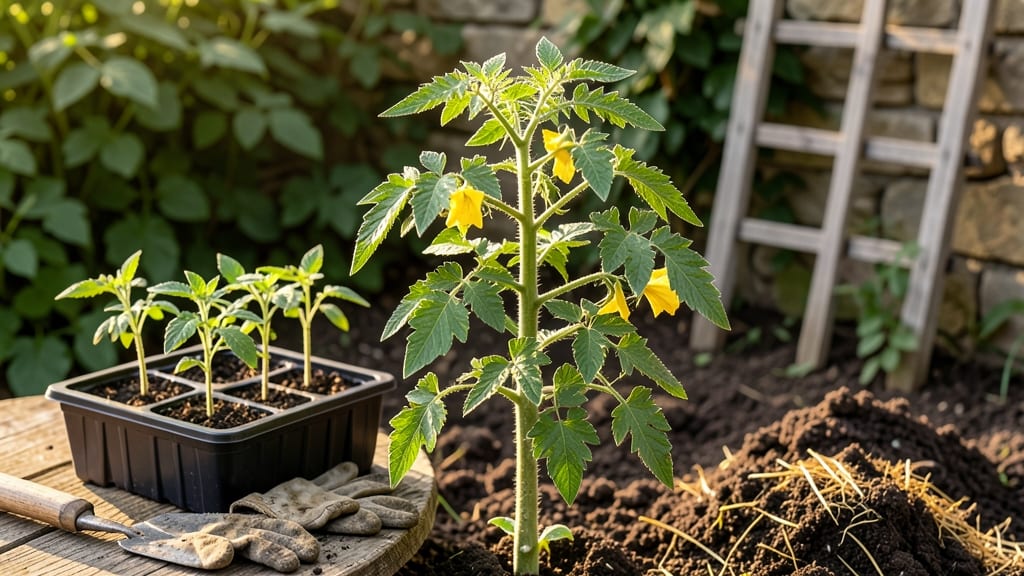
Planting tomatoes in Texas means timing your spring and fall windows to outsmart the heat and frost—because one wrong move can turn your garden dreams into a sad pile of wilted vines.
Texas gardeners know timing is everything—plant too early, and a late frost will wipe them out; too late, and scorching summer heat can stunt growth. But with the right schedule and heat-tolerant varieties, you can enjoy a bountiful harvest all season long.
From the High Plains to the Gulf Coast, each region has its own frost-free window. North Texas gardeners should aim for early March, while South Texas can start as early as February.
But don’t stop there—summer heat is just as tricky, which is why choosing the right varieties (like 'Heatmaster' or 'Solar Fire') makes all the difference.
In this guide, I’ll break down the exact months to plant by region, the best heat-resistant tomatoes for your area, and pro tips to keep your 🍅 thriving even when the thermometer hits 100°F. No more guesswork—just a foolproof plan for Texas-sized tomato success.
Texas planting zones: exact months to avoid frost risk by region
Texas spans multiple USDA hardiness zones—from Zone 7a in the Panhandle to Zone 10a along the Gulf Coast—meaning frost dates vary wildly. For tomatoes, which hate cold snaps, knowing your exact region's last frost date is critical.
In North Texas, March 15-April 15 is your sweet spot, while South Texas gardeners can start as early as February 1 in sheltered microclimates.
But here's the catch: Urban heat islands in cities like Dallas and Houston can push frost dates 1-2 weeks later than rural areas. Meanwhile, West Texas (El Paso) has a shorter growing season due to extreme summer heat, requiring earlier starts.
Let's break down the optimal planting windows by region to ensure zero frost risk while maximizing your harvest.
🌱
| Region | USDA Zones | Last Frost Date | Optimal Planting Window | Heat Notes |
|---|---|---|---|---|
| North Texas (Dallas/Fort Worth) | 7b-8a | March 15-April 15 | April 15-May 1 (soil temp ≥60°F) | Hot summers (95°F+); use shade cloth early |
| Central Texas (Austin) | 8a-8b | February 28-March 15 | March 15-April 10 (soil temp ≥65°F) | Long growing season; late starts possible |
| South Texas (Houston/San Antonio) | 8b-9a | January 31-February 15 | February 15-March 1 (or year-round with protection) | Humid heat; disease pressure high |
| West Texas (El Paso) | 7a-7b | March 1-April 1 | April 1-May 1 (soil temp ≥60°F) | Extreme diurnal temps; mulch heavily |
For North Texas gardeners (Dallas/Fort Worth), the April 15-May 1 window aligns with soil warming to 60°F+, reducing transplant shock. I’ve seen Heatmaster tomatoes thrive when planted by April 20—just avoid the May 10-20 heat spikes that can stress young plants.
Use black plastic mulch to warm soil faster in these zones.
In Central Texas (Austin), where Zone 8a dominates, you can push starts to March 15 for early varieties like 'Celebrity'. But watch for unpredictable March frosts—I lost my first cherry tomato plants in 2022 when temps dropped to 28°F on March 12.
A row cover saved my second planting.
South Texas (Houston/San Antonio) offers the longest growing season, but humidity and pests like hornworms demand vigilance. Plant heat-tolerant varieties like 'Solar Fire' as early as February 15 for a year-round harvest.
Just be ready for fungal diseases—I’ve had to replace 30% of plants in August due to early blight.
West Texas (El Paso) presents unique challenges: short seasons and intense afternoon sun. Start seeds indoors by March 1 and transplant by April 15 when soil reaches 60°F.
I’ve had success with 'Arkansas Traveler', which handles 100°F+ temps better than most. Drip irrigation is a must here to prevent sunscald.
Pro tip: Adjust for microclimates. A south-facing wall can add 2-3 weeks to your growing season, while low-lying areas may frost 10 days later than hilltops. Always check local weather stations—I rely on Texas A&M AgriLife Extension alerts for real-time updates.
🌿
Heat-tolerant tomato varieties that thrive in Texas summers
Texas summers can push temperatures to 100°F+, making traditional tomato varieties wilt or produce poor fruit. But with heat-tolerant varieties, you can enjoy juicy tomatoes even in the hottest months.
These 8 varieties are proven winners in Texas gardens, selected for their ability to handle intense heat and resist common Texas pests like fusarium wilt and bacterial spot.
When choosing varieties, prioritize those with thick skins and strong disease resistance. Many of these also produce well in late summer, extending your harvest season when other plants fade.
Below, I’ve ranked them based on heat tolerance, flavor, and productivity—so you can pick the best fit for your garden.
Heatmaster tops the list with a 95% heat tolerance rating, making it ideal for South and Central Texas where temperatures soar. This indeterminate variety produces large red tomatoes with excellent disease resistance, including fusarium wilt, a common issue in Texas. It thrives in 100°F+ heat and continues producing until frost.
Solar Fire is another standout, offering sweet, juicy fruit even in extreme heat. Its 92% heat tolerance and early maturity (around 65 days) make it perfect for North Texas gardens where summers arrive early. This variety also resists bacterial spot, a persistent problem in humid Texas summers.
For gardeners who love classic tomato flavors, Arkansas Traveler delivers with a balanced acidity-sweetness ratio and 88% heat tolerance. It’s a heirloom variety that performs exceptionally well in West Texas, where water conservation is key. Its thick skins prevent cracking, even during erratic Texas rainfall.
If you’re dealing with drought conditions, Heatwave II is a fantastic choice. With a 90% heat tolerance and drought resistance, it produces large, beefy tomatoes even when water is scarce.
This variety is particularly well-suited for El Paso and the High Plains, where summers are hot and dry.
For reliable yields, Celebrity is a garden favorite with an 85% heat tolerance. It’s a determinate variety, meaning it produces fruit in one flush, making it ideal for container gardening in urban Texas areas like Austin or Dallas.
Its resistance to cracking ensures you won’t lose fruit to sudden Texas downpours.
Looking for something different? Solar Yellow offers a sweet, golden tomato with a 93% heat tolerance. This variety matures quickly (60 days) and thrives in South Texas heat, where humidity can be as challenging as the temperature.
Its early production gives you a jumpstart on the harvest season.
Finally, Mountain Merit and Better Boy round out the list. Mountain Merit boasts 87% heat tolerance and disease resistance, while Better Boy delivers giant beefsteak tomatoes with <