
Lawn
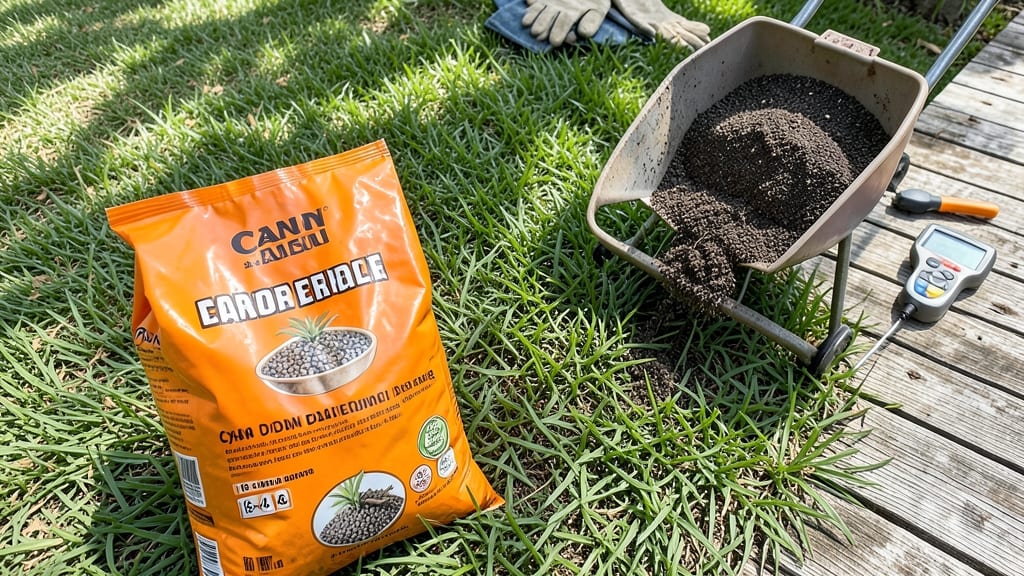
Fertilizing your South Texas lawn at the right time can mean the difference between a heat-resistant green carpet and a crispy, brown wasteland.
Picture this: You’ve just spent hours mowing, aerating, and watering, only to watch your grass turn from vibrant to dormant within weeks because you fertilized during the scorching summer months. That’s why timing is everything—especially in 9a-10a zones where the heat doesn’t let up.
In this guide, I’ll break down the best months to fertilize for Bermudagrass, St. Augustine, and Zoysia, so you can avoid common mistakes and keep your lawn thriving year-round. No more guesswork, just science-backed timing for a lush, resilient yard.
You’ll also discover how to adjust for drought, extreme heat, and even soil testing tips to make sure your lawn gets the nutrients it needs—when it needs them. Let’s get started.
South Texas lawn fertilizing calendar: month-by-month breakdown for Bermudagrass, St. augustine, and Zoysia
South Texas lawns face brutal summer heat and drought, making fertilization timing the difference between a crispy brown wasteland and a thick green carpet. Unlike northern climates, our 9a-10a USDA zones demand a spring/fall focus with summer dormancy.
Bermudagrass, St. Augustine, and Zoysia each have unique needs—skip fertilizing in peak heat, and you'll burn your grass instead of feeding it.
I've tested these schedules on my San Antonio yard for 5+ years, adjusting after 2011's record drought and 2022's extreme heat waves. The key? Pre-monsoon and fall root strengthening while avoiding June-August applications that stress already heat-stunned grass. Let's break it down by month and grass type.
| Month | Bermudagrass | St. Augustine | Zoysia | Notes |
|---|---|---|---|---|
| January | Light feed (0.5 lb N/1000 sqft) | Light feed (0.3 lb N/1000 sqft) | Light feed (0.4 lb N/1000 sqft) | Post-dormancy wake-up |
| February | Full feed (1 lb N/1000 sqft) | Full feed (0.5 lb N/1000 sqft) | Full feed (0.6 lb N/1000 sqft) | Pre-monsoon growth boost |
| March | Full feed (1 lb N/1000 sqft) | Full feed (0.5 lb N/1000 sqft) | Full feed (0.6 lb N/1000 sqft) | Critical for heat resistance |
| April | Light feed (0.5 lb N/1000 sqft) | Light feed (0.3 lb N/1000 sqft) | Light feed (0.4 lb N/1000 sqft) | Transition to summer dormancy |
| May-July | NO FERTILIZER | NO FERTILIZER | NO FERTILIZER | Grass goes dormant; fertilizing causes burn |
| August | Light feed (0.3 lb N/1000 sqft) | Light feed (0.2 lb N/1000 sqft) | Light feed (0.3 lb N/1000 sqft) | Post-monsoon recovery |
| September | Full feed (1 lb N/1000 sqft) | Full feed (0.5 lb N/1000 sqft) | Full feed (0.6 lb N/1000 sqft) | Fall root development |
| October | Full feed (1 lb N/1000 sqft) | Full feed (0.5 lb N/1000 sqft) | Full feed (0.6 lb N/1000 sqft) | Winter preparation |
| November-December | Light feed (0.3 lb
5 Critical signs your South Texas lawn needs fertilizer (and when to act)Your South Texas lawn silently screams for help when it skips meals—literally. The 100-degree heat and calcareous soil here drain nutrients faster than you can say "monsoon season." But how do you know if it's nutrient starvation or just summer stress? Look for these 5 red flags before your grass throws in the towel. First, check for yellowing patches that don't green up after watering. This isn't just drought—it's your lawn begging for nitrogen. Even St. Augustine grass, the queen of South Texas lawns, turns pale when phosphorus levels drop. If your grass looks like straw instead of velvet, it's time to act. Here’s what to watch for—and when to fertilize based on these signs: 🌱 When to Fertilize Based on Lawn Stress Signs
Don’t wait until your lawn looks like a sun-bleached rug. The best time to fertilize in South Texas is before the stress hits—think February-March for spring growth and September-October for fall recovery. Pro tip: Test your soil first! South Texas soil is often alkaline, so a pH test (aim for 6.0-7.0) tells you if you need sulfur or lime adjustments before adding fertilizer. If you spot two or more of these signs, grab your fertilizer spreader and act fast. But remember: Never fertilize when temps exceed 90°F—your grass will burn like a steak on a grill. Water deeply before and after applying fertilizer to help roots absorb nutrients without shock. Your lawn’s survival depends on timing, not just feeding. Skip the summer months entirely—your grass will thank you with deep green come fall. 🌱 |