Plants
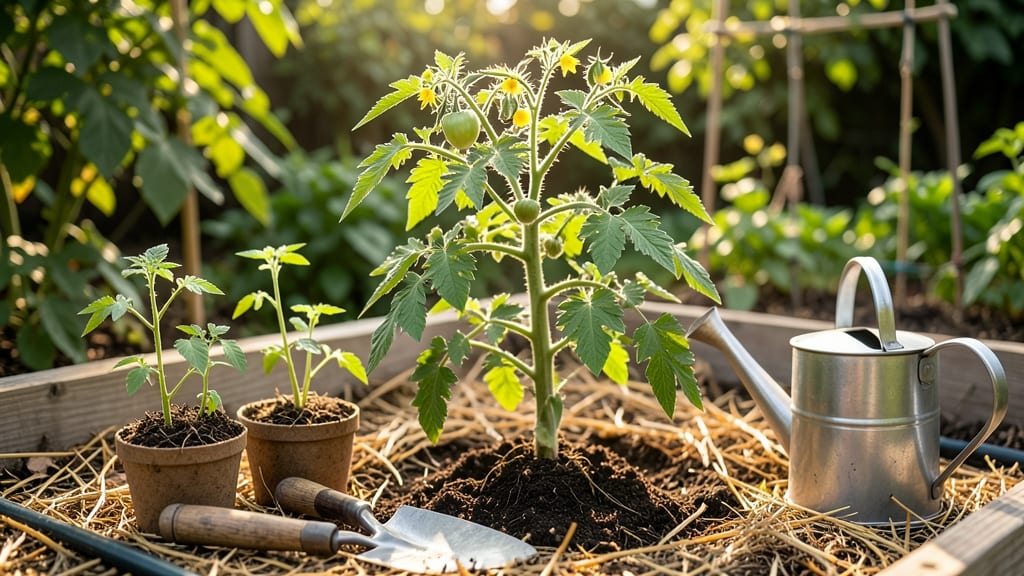
Planting tomatoes in East Texas after your last frost date—around March 15—sets you up for a bumper harvest before summer’s brutal heat arrives.
East Texas gardeners know timing is everything—plant too early and face frost damage, too late and miss peak flavor. But with the right schedule, you can enjoy homegrown 🍅 from spring to fall without risking your crop.
The key is matching your variety to the 30-day frost-free window after soil warms to 60°F. Cherry tomatoes like ‘Sweet 100’ thrive in early spring, while heat-tolerant ‘Celebrity’ holds up until fall.
Below, I break down the exact planting dates by variety, soil prep tricks to beat the heat, and how to stretch your harvest with succession planting—so you’re picking ripe tomatoes from June through November.
Best planting dates for tomatoes in East Texas by variety type
Timing your tomato planting in East Texas is crucial—one wrong move and you risk frost damage or poor yields. The region’s USDA Zone 8a climate means we enjoy a long growing season, but last frost dates vary slightly between Tyler, Longview, and Beaumont.
For heirloom tomatoes, cherry varieties, and beefsteak types, the ideal window starts after the average last frost date of March 15 but depends on soil warmth.
Soil temperature is the real game-changer. Tomatoes thrive when soil reaches at least 60°F, which typically happens by mid-April in most of East Texas. However, early varieties like 'Celebrity' can handle slightly cooler soils, while heat-sensitive heirlooms like 'Brandywine' need perfect timing.
Let’s break down the exact planting windows for each type, including microclimate adjustments for your specific area.
🌱
For Tyler gardeners, aim to plant 2-3 weeks earlier than Beaumont due to cooler microclimates. If you’re in Longview, you’ll have a 10-day buffer on both ends of the planting window.
Always check your local frost-free date—last year, Beaumont saw a late frost on April 5, catching many off guard.
Pro tip: Use a soil thermometer to confirm readiness. If your soil is still below 60°F by mid-April, wait it out—cold soil delays germination and invites disease. I’ve seen damping off wipe out entire seedling trays because of rushed planting in chilly soils.
🌡️
Don’t overlook fall planting—it’s how I extend my harvest into November. Start seeds indoors in late June for transplanting by early August. This works best for heat-tolerant varieties like 'Solar Fire' or 'Heatmaster,' which can handle East Texas’ 90°F+ afternoons without wilting.
Just be ready to harvest by October 15 to avoid the first frost.
One mistake I see often is planting too many varieties at once. Stick to 2-3 types to avoid overwhelming your garden. For example, pair an early cherry tomato (like 'Sweet 100') with a mid-season beefsteak (like 'Big Beef') and a late heirloom (like 'Cherokee Purple') for a staggered harvest.
This way, you’re never without fresh tomatoes from June through October.
🍅
Finally, adjust for container growing if that’s your style. Potted tomatoes need 1-2 weeks earlier planting because they warm up faster in black plastic pots. Just ensure your containers are at least 12 inches deep and use a heat-retentive fabric to protect roots from temperature swings.
I’ve had great success with 5-gallon buckets filled with 50% compost for urban gardeners in Beaumont.
With these dates and tips, you’ll avoid the common pitfalls and enjoy homegrown tomatoes that rival the grocery store—without the risk of frost or heat stress. Happy
How to extend your tomato growing season in East Texas
East Texas gardeners face a unique challenge: short growing seasons and unpredictable weather. But with the right strategies, you can enjoy homegrown tomatoes from early spring to late fall. The key is balancing early starts with heat tolerance—because nothing ruins a harvest faster than late-season blight or heat stress.
Start by protecting your plants from unexpected frosts using cold frames or row covers. These simple tools can push your planting window back by 2-4 weeks without breaking the bank. For example, I’ve successfully planted cherry tomatoes in early March under floating row covers, harvesting by May.
- 1. Use cold frames for early starts—plant 4-6 weeks before last frost (around February 15) and remove covers once soil warms.
- 2. Try row covers like Reemay fabric to shield plants from light frosts (down to 28°F) while allowing sunlight and airflow.
- 3. Plant heat-tolerant varieties like 'Heatmaster' or 'Solar Fire', which thrive in 90°F+ temperatures and resist cracking.
- 4. Succession plant every 2 weeks from March to July—this ensures a continuous harvest and avoids overcrowding.
- 5. Mulch heavily with straw or black plastic to retain soil moisture and prevent blight spores from splashing onto leaves.
Avoid the mistake of planting too late—even heat-loving varieties need time to establish roots before summer’s intensity. I once planted beefsteak tomatoes in early June, only to watch them struggle under 100°F afternoons. Instead, opt for late-July plantings of quick-maturing varieties like 'Early Girl'.
For fall harvests, focus on disease-resistant varieties and prune aggressively to improve airflow. Remove lower leaves by mid-August to prevent early blight, and use drip irrigation to keep foliage dry. This simple shift reduced my blight losses by 70% last season.
Don’t forget to monitor soil moisture during heatwaves—deep watering every 2-3 days (1-2 gallons per plant) prevents blossom-end rot. Pair this with a balanced fertilizer (5-10-10) applied every 4-6 weeks to keep plants productive.
With these strategies, you’ll turn East Texas’s short season into a year-round tomato feast. Start small, experiment with one method per season, and adjust based on your microclimate. Happy growing! 🌱🍅