I’ve always had a soft spot for the quiet magic of plants—how they stretch toward the sun, how they transform a patch of dirt into something beautiful. My first real garden was a mess of trial and error, but those early failures taught me more than any guidebook ever could. Now, I’m here to share the lessons I’ve learned, the tricks that actually work, and the joy of watching something grow—whether it’s a seedling or your confidence in the dirt.
Planting beans in Virginia at the right time ensures a bountiful harvest—aim for after the last frost when soil hits 60°F or warmer. Timing your bean planting in Virginia can mean the difference between a thriving…
To plant beans in Zone 7 at the perfect time means avoiding the two biggest mistakes: starting too early (and risking frost) or too late (and triggering bolting). Planting beans 🌱 in Zone 7 at the wrong time means…
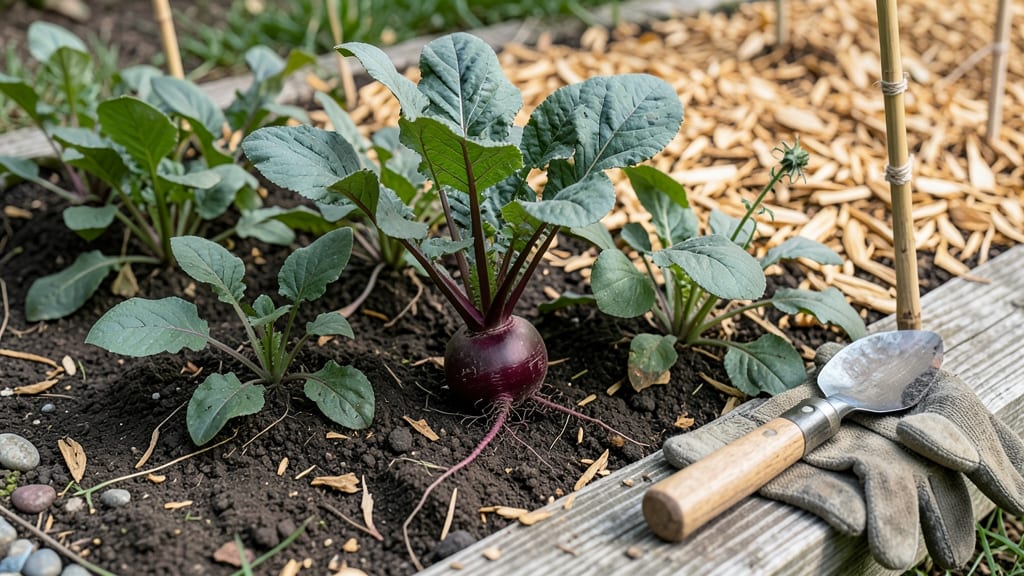
Planting beets in Arkansas at the right time means the difference between a bountiful harvest and a bitter disappointment — too early, and frost nibbles your greens; too late, and the roots turn tough as boot leather…
Planting beets in Illinois at the right time keeps them sweet and tender instead of bitter and tough—your key to avoiding bolting and enjoying harvests from June to November. Bolting beets can turn your Illinois garden…
Planting beets in Maine at the right time ensures you get sweet, tender roots before the first frost 🍠 — aim for early spring or late summer for the best harvests. Maine’s short growing season means timing is…
Planting beets in Nebraska means timing your seeds for two short windows —early spring and late summer—when the soil warms enough to break dormancy but stays cool enough to avoid bolting. Nebraska gardeners know timing…
Planting beets in Southern California means timing your seeds for the perfect balance of cool soil and warm days—fall and spring are your best bets, but coastal and inland zones play by slightly different rules. Southern…
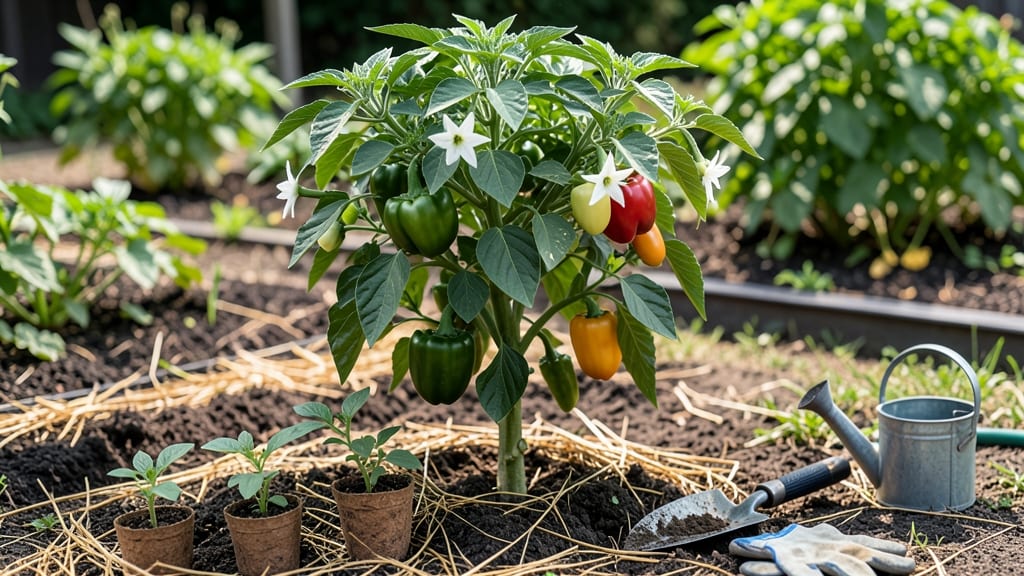
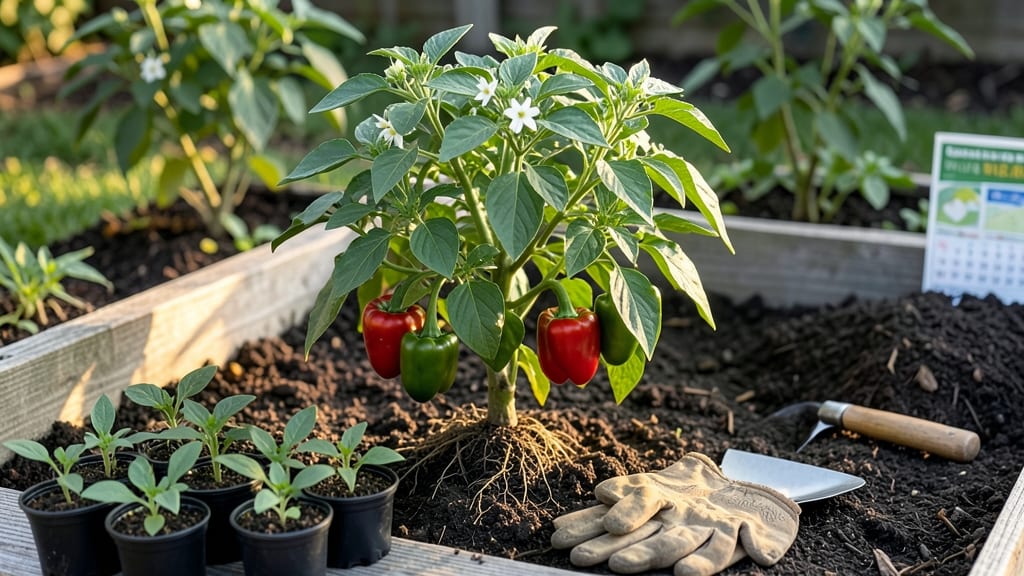
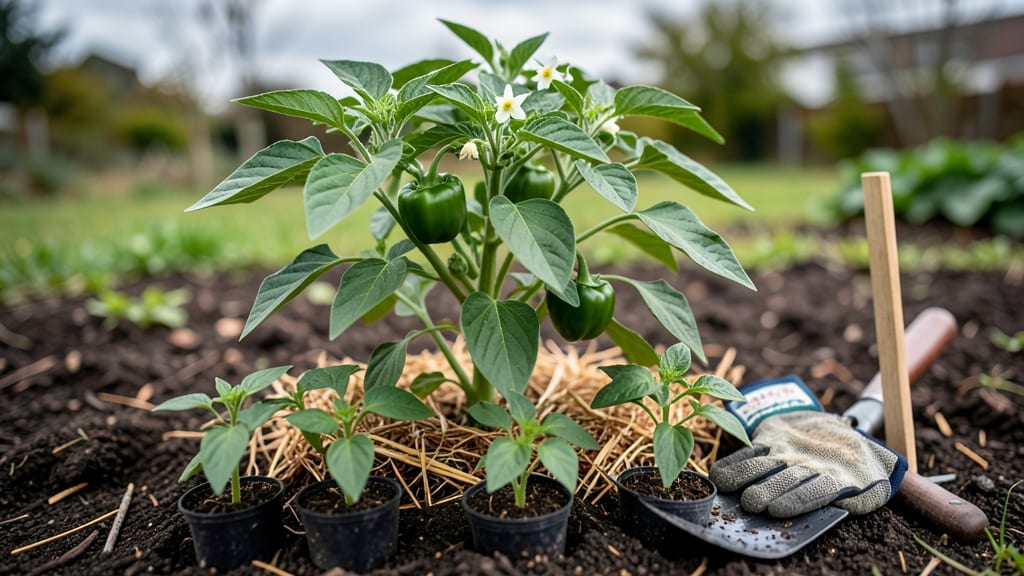
To plant bell peppers in Indiana, wait until after the last frost—typically mid-April to early May—when soil temperatures hit at least 60°F . Indiana’s unpredictable frost dates can make or break your bell pepper…
Planting bell peppers in Pennsylvania at the right time means the difference between a bountiful harvest and wasted effort 🌶️. Here’s the truth: too early, and a late frost will kill them. Too late, and your peppers…
To plant bell peppers in Virginia, aim for 4-6 weeks before your last frost date — typically mid-April to early May for most regions, with adjustments for 6a-8a zones. Virginia gardeners know timing is everything — plant…