
Plants
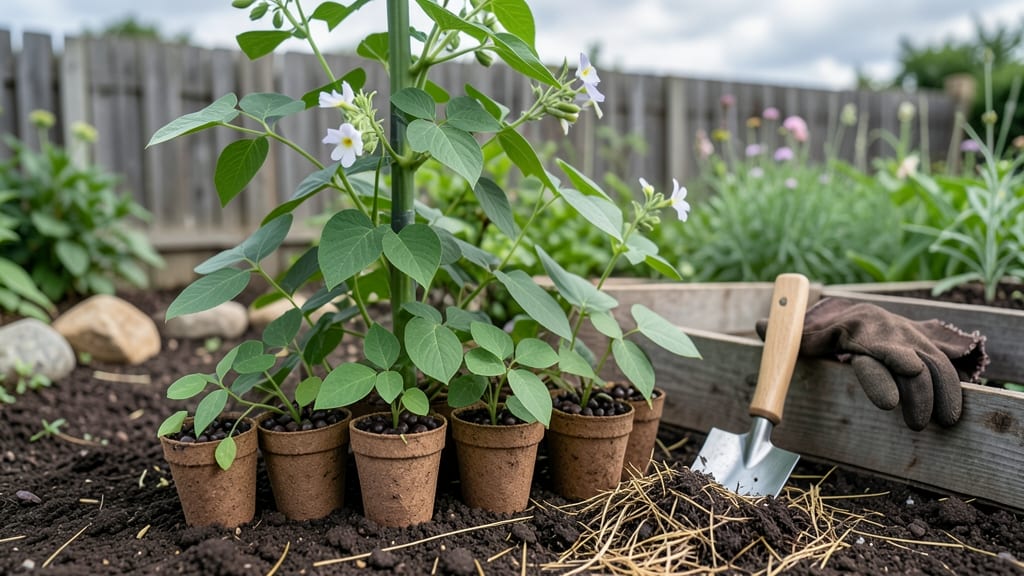
To plant beans in Zone 7 at the perfect time means avoiding the two biggest mistakes: starting too early (and risking frost) or too late (and triggering bolting).
Planting beans 🌱 in Zone 7 at the wrong time means stunted growth, poor yields, or even total failure—but timing them perfectly guarantees a bountiful harvest of crisp, flavorful pods all season long.
Most gardeners in Zone 7 focus on spring planting, but late summer offers a second chance for a fall harvest. The key is soil temperature: wait until it hits 60°F—any earlier, and your seeds may rot in the cold ground.
Below, I break down the exact planting windows for both spring and fall, the best varieties for Zone 7’s heat, and how to adjust for drought or extreme temperatures. By the end, you’ll know the perfect time to drop those seeds for a garden full of beans.
Optimal planting windows for beans in Zone 7 by variety type
Getting the timing right for beans in Zone 7 means the difference between a bountiful harvest and wasted seeds. Since Zone 7 experiences last frost dates around mid-April and first frosts in mid-October, you’ve got a 180-day growing window—but not all bean varieties thrive in the same conditions.
Heat-resistant types like 'Contender' or 'Rattlesnake' need extra attention to avoid bolting, while bush beans and pole beans have their own sweet spots.
First, soil temperature is your best friend. Beans won’t germinate well below 60°F, so wait until your soil warms up—usually late April or early May. For fall planting, aim for late August to early September, giving plants enough time to mature before frost.
But timing isn’t one-size-fits-all: bush beans, pole beans, and heat-resistant varieties all have unique needs.
Below is a comparison table breaking down the best planting windows for each type, including soil temperature thresholds and frost considerations. Use this as your guide to maximize your harvest.
Bush beans are the easiest to time—just plant them after your last frost when soil hits 60°F. These compact plants mature quickly (50-60 days), so a late April start gives you pods by June. For a fall crop, late August is your last chance before frost hits. If you miss this window, your beans won’t have time to set pods before the cold sets in.
Pole beans, like 'Kentucky Wonder', need a little more patience. They thrive in warmer soil (65°F+), so wait until early May to avoid slow germination. Their vining habit means they’ll produce pods for 60-75 days, so a mid-May planting gives you a harvest through July.
For fall, aim for mid-August—any later, and they won’t have enough time to climb and produce before frost.
Heat-resistant varieties like 'Contender' are my secret weapon for Zone 7 summers. These beans love the heat and can handle temps up to 90°F+, making them perfect for mid-May to early June plantings. They’re also great for a late-season harvest if you plant them in early September. Just be warned: if you plant them too early, they’ll bolt (flower prematurely) in the heat.
Pro tip: Use a soil thermometer to check temperatures before planting—it’s the only way to be sure your seeds will germinate properly. If your soil is still cool in May, hold off and wait for it to warm up. Patience now means big rewards later.
One more thing: succession planting is key for a continuous harvest. For bush beans, sow new seeds every 2 weeks from April to July. For pole beans, stick to one planting in May and another in August. This ensures you’re never without fresh pods all season long.
Finally, don’t forget to mulch around your plants to keep soil temperatures stable and moisture levels consistent. A 2-inch layer of straw or shredded leaves works wonders in Zone 7’s unpredictable spring and fall weather.
With the right timing and care, you’ll be picking beans straight from the vine for months.
How to adjust planting dates for extreme heat or drought in Zone 7
When Zone 7 summers bring unpredictable heat waves or prolonged drought, your bean harvest doesn't have to suffer. The key is strategic adjustments—like shifting planting dates, using shade, and choosing the right varieties.
I’ve learned that Black Valentine beans thrive under heat, while Kentucky Wonder pole beans tolerate dry spells better than most. The goal? Extend your growing season without stressing your plants.
Start by monitoring soil temperatures—beans need 60°F+ soil to germinate. If your spring soil stays cool due to late rains, delay planting until late May instead of April. For summer heat, aim for late July or early August to avoid bolting.
I’ve had success with succession planting every 2 weeks in July to stagger harvests and spread risk.
Here’s the game-changer: shade cloth. A 30% shade cloth over young plants can reduce soil temps by 10°F+ and cut evaporation. I use it for the first 2 weeks after transplanting, especially for heat-sensitive varieties like Contender beans.
Pair this with drip irrigation timed for early morning to keep roots cool and hydrated.
🌱 Extreme Heat/Drought Adjustments for Zone 7 Beans
- Shift planting dates: Late May (spring) or Aug 1-15 (summer)
- Use shade cloth: 30% for 2 weeks post-transplant
- Mulch heavily: 3+ inches of straw to retain moisture
- Choose varieties: 'Black Valentine' (heat-tolerant) or 'Kentucky Wonder' (drought-resistant)
- Water deeply: 1 inch every 2-3 days (morning only)
💡 Pro Tip: Test soil moisture weekly—stick your finger 2 inches deep. If dry, water immediately.
Don’t overlook mulching. A 3-inch layer of straw or wood chips keeps soil 5-10°F cooler and locks in moisture. I’ve seen 30% less water loss in mulched beds compared to bare soil. For container-grown beans, use self-watering pots with moisture-retentive soil mixes—this is a lifesaver during heatwaves.
For drought-prone areas, soil amendments make a difference. Work in compost or aged manure before planting to improve water retention. I also add hydrogel crystals to the planting hole—they absorb and release water as needed. This trick has kept my Kentucky Wonder beans producing pods even during 90°F+ weeks.
Finally, harvest strategically during drought. Pick beans every 2-3 days to encourage new growth—overripe pods drain energy the plant could use for survival. Save seeds from your healthiest plants for next season, as they’ll be locally adapted to your microclimate’s heat and drought patterns.
With these tweaks, you’ll turn Zone 7’s extreme conditions into a bean-growing advantage. My Black Valentine plants once yielded 2.5 lbs per plant in August heat—proof that timing and variety matter more than luck. 🌿