Plants
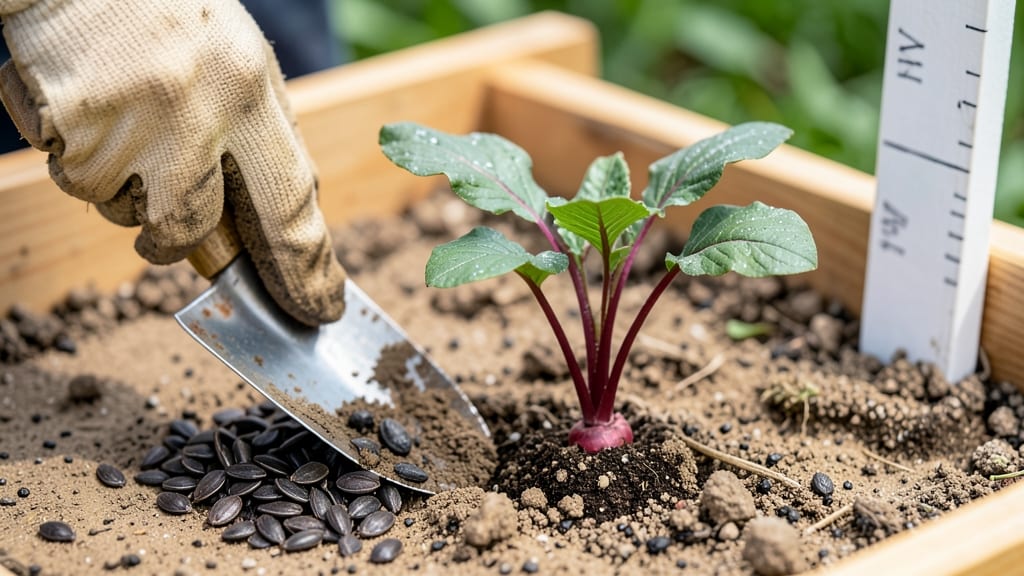
Planting beets in Southern California means timing your seeds for the perfect balance of cool soil and warm days—fall and spring are your best bets, but coastal and inland zones play by slightly different rules.
Southern California’s microclimates—from coastal chill to inland heat—can make beet planting a tricky balance, but timing right means sweeter, faster harvests. Skip the guesswork and plant at the perfect moment for your zone.
Fall plantings in September or October give beets 🟣 time to mature before winter, while spring seeds in February or March avoid the brutal summer heat. Coastal areas can stretch planting a little later, but inland zones need an earlier start to prevent bolting.
Below, I break down the exact windows for your location, soil prep secrets to avoid common mistakes, and how to stretch your harvest with succession planting—so you’re never without fresh, homegrown beets.
Optimal beet planting calendar for Southern California coastal areas
If you're growing beets in coastal Southern California—think Los Angeles, San Diego, or Santa Barbara—your timing matters more than you might think. The cooler coastal breezes and mild winters create a unique window for planting, but summer heat can quickly turn your beets woody or bolt.
I’ve planted beets here for years, and I’ve learned the best months to start seeds or transplant seedlings for sweet, tender harvests.
Coastal areas offer a longer growing season than inland zones, but you’ll still want to avoid the peak summer heat (June–August) when soil temperatures can exceed 80°F—that’s beet-growing suicide. Instead, focus on fall and spring plantings, with succession sowings every 3–4 weeks to keep your harvests rolling.
Let’s break it down by month so you can plan like a pro.
🌱 Key Insight: Coastal beets thrive when soil temps stay between 50°F–75°F. Use a soil thermometer to check before planting—if it’s hotter than 75°F, wait or use shade cloth.
For coastal gardeners, September and October are the golden months for beet planting. This timing gives you cool soil temps and long daylight hours, which beets love. I’ve found that seeds sown in early September often produce harvest-ready beets by November, just in time for holiday meals.
If you miss this window, don’t despair—February and March offer a second chance for spring harvests.
Here’s a pro tip: Succession planting every 3 weeks ensures a continuous supply of beets. For example, if you plant a batch in late August, follow up with another in mid-September, then again in October.
This staggering method means you’ll have beets to pull from your garden for months, not just weeks.
One mistake I see often is planting beets too late in spring. By April, the coastal heat starts to ramp up, and beets can bolt prematurely (sending up flower stalks) or develop woody roots.
To avoid this, always check soil temps before planting—if it’s above 75°F, wait or provide afternoon shade with a lightweight shade cloth.
Another coastal-specific tip: Wind protection matters. Beets have delicate seedlings, and coastal winds can dry them out or even uproot them. I recommend planting near a windbreak, like a fence or tall shrubs, or using row covers for the first 2–3 weeks after germination.
This small step can make the difference between thriving plants and failed crops.
Finally, don’t forget about soil prep. Coastal soils can be sandy and nutrient-poor, so amend yours with 2–3 inches of compost before planting. Beets are heavy feeders, especially when growing large roots, so a balanced fertilizer (like 5-10-10) at planting time gives them a strong start.
I also mulch heavily with straw or wood chips to retain moisture and keep roots cool.
With the right timing and care, your coastal beet garden can be a
Inland Southern California beet planting: hotter zones and adjustments
Inland Southern California—think Riverside or Palm Springs—presents unique challenges for beet growers. While coastal areas enjoy milder winters, inland zones experience hotter summers and longer cool seasons, which shift ideal planting windows. Beets thrive in cooler weather, so timing is everything to avoid bolting or stunted growth.
Unlike coastal regions, inland areas can plant beets slightly earlier in fall (starting in late August) and extend into early November. Spring planting also shifts later—aim for March instead of February—to escape the intense summer heat. The key is avoiding soil temperatures above 75°F, which triggers bolting.
Comparison-Table for Coastal vs. Inland Planting:
| Factor | Coastal Zones | Inland Zones |
|---|---|---|
| Fall Planting Window | Late September - October | Late August - Early November |
| Spring Planting Window | February - Early March | March - Early April |
| Heat Threshold | Avoid >70°F soil | Avoid >75°F soil |
| Shade Adjustment | Optional in summer | Essential for summer |
| Succession Planting | Every 3 weeks | Every 4 weeks |
For inland growers, shade cloth (30-50%) becomes a game-changer during summer months. Install it over beet beds to keep soil temps below 75°F and prevent bolting. Pair this with drip irrigation to maintain even moisture—beets hate drying out, especially in inland heat.
Another inland adjustment is soil prep. Amend beds with compost and organic matter to improve moisture retention. Inland soils often drain too quickly, so aim for loamy, well-draining conditions. Test soil pH (ideal: 6.0-7.0) and adjust with lime or sulfur if needed.
Harvest timing also shifts inland. Fall-planted beets mature faster due to cooler nights, so expect harvests as early as October (vs. November coastal). Spring plantings yield in May-June, but monitor heat stress—beets left too long in hot soil develop woody textures.
Pro tip: Inland gardeners can experiment with heat-tolerant varieties like 'Detroit Dark Red' or 'Chioggia', which handle slightly warmer conditions better than standard types. Always save seeds from your best performers for next year!