
Plants
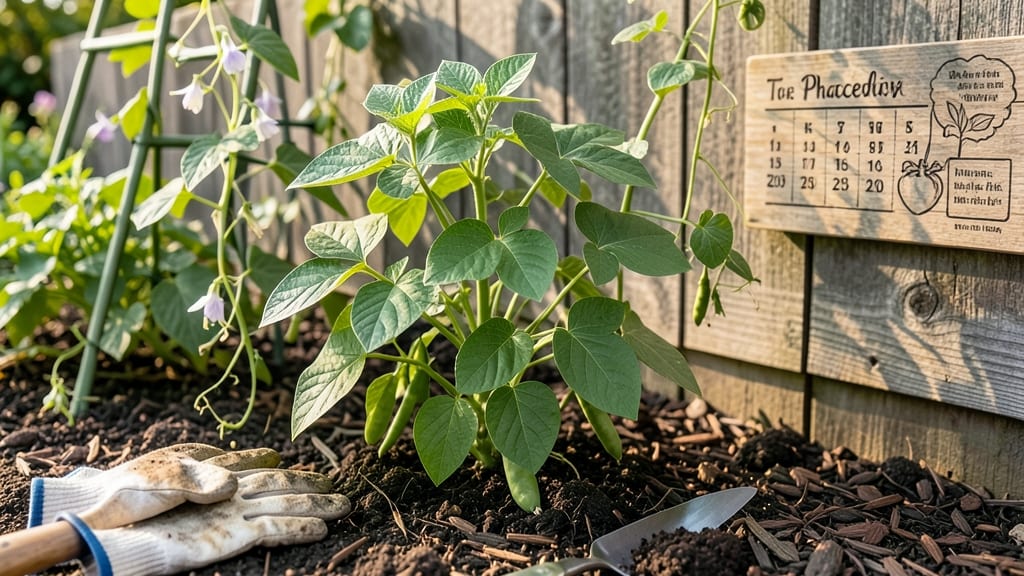
Planting beans in Virginia at the right time ensures a bountiful harvest—aim for after the last frost when soil hits 60°F or warmer.
Timing your bean planting in Virginia can mean the difference between a thriving harvest and wasted seeds—get it wrong, and frost or heat will ruin your crop before it even sprouts. Whether you're growing pole beans or bush varieties, the 6a-8a zones demand precision.
Spring planting kicks off in mid-April once frost risks fade, but late July offers a second chance for fall harvests. The key? Soil temperature and regional microclimates—coastal areas warm faster than inland spots, so adjust accordingly.
Below, I’ll walk you through the exact soil checks, regional planting windows, and care tips to keep your 🌱 beans thriving from seed to pod.
Virginia bean planting timeline by region: frost dates and soil temperature guide
Timing your bean planting in Virginia requires precision—beans need warm soil (at least 55°F) and frost-free conditions to thrive. The state’s diverse climate zones—from coastal Tidewater to mountainous Shenandoah Valley—create wildly different planting windows.
I’ll break down the exact last frost dates and soil temperature thresholds for each region, so you can plant at the perfect moment for your location.
Virginia’s USDA zones 6a–8a mean your planting window shifts dramatically depending on elevation and proximity to the coast. For example, Tidewater’s mild winters allow earlier sowing, while Blue Ridge’s higher altitudes delay the season by weeks.
The key? Wait until the soil stays consistently above 60°F—this ensures fast germination and strong seedlings. I’ll show you how to check soil temps and adjust your schedule accordingly.
Here’s the critical rule: Plant beans after your region’s last frost date and when soil temperatures hit 55°F+ for germination. In Virginia, this typically means mid-April to early June for spring plantings and late July to early August for fall harvests.
But don’t guess—use the table below to pinpoint your exact window based on where you live in the state.
If you’re in Tidewater, you can start as early as late March—but only if your soil is above 55°F. Inland regions like Piedmont should wait until mid-April to avoid frost damage.
For Blue Ridge and Shenandoah Valley, hold off until late April or May—cooler nights and higher elevations slow soil warming. Pro tip: Use a soil thermometer to confirm temps before planting.
For a continuous harvest, stagger your plantings every 2 weeks after your first sowing. This works especially well in Virginia’s shorter growing season. For example, if you plant pole beans in early May, follow up with another batch in late May and early June.
This ensures fresh pods all summer long—no gaps in your harvest!
Don’t forget about fall plantings! In Virginia, you can sow beans again in late July or August for a late-season harvest. This second planting takes advantage of the state’s 165 frost-free days and extends your growing season into October.
Just be sure to choose heat-tolerant varieties like ‘Blue Lake’ or ‘Kentucky Wonder’ for these later dates.
One common mistake I see? Planting too early because the air feels warm. Soil temperature ≠ air temperature. A sunny day might trick you into thinking it’s safe, but if your soil is still below 55°F, your seeds will rot in the cold ground.
Always check with a thermometer—it’s the only way to guarantee success. I keep mine buried near my garden bed for quick readings.
For container gardening, warm up your pots by placing them on black plastic or in a sunny spot for a few days before planting. This mimics the soil-warming effect of direct sunlight and helps meet the 60°F threshold faster.
If you’re in doubt, opt for quick-maturing varieties like ‘Contender’ or ‘Blue Lake Bush’—they’ll reward you with harvests even in shorter seasons.
Finally, mark your calendar for first frost warnings in October. In Virginia, the first frost typically hits mid-October, but mountain regions can see frost as early as September. If you’re growing dry beans for winter storage, aim to harvest before the first frost.
For green beans, you’ve got a little more leeway—just bring containers indoors if frost is forecasted.
How to test soil temperature for perfect bean planting in Virginia (DIY methods)
Getting your bean seeds into the ground at the right time is everything in Virginia’s variable climate. Soil temperature determines whether your seeds will germinate quickly or rot in cold, damp earth.
Most bean varieties need soil that’s warmed to at least 60°F (15.5°C)—but how do you know when that’s happened? A simple soil thermometer is your best friend, but even without one, you can use clever tricks to time your planting perfectly.
I’ve planted beans in Virginia for years, and I’ve learned that waiting for warm soil saves me from the heartbreak of seeds that never sprout. The key is checking the temperature at the right depth—about 2 inches down, where your seeds will be.
This is deeper than you might think, and surface temps can be misleading, especially after sunny days or chilly nights. Let’s walk through the exact steps I use every season.
No soil thermometer? No problem! I’ve used these alternative methods when tools weren’t available. First, check the moisture test: Press your finger into the soil—if it feels warm to the touch (like a cozy bath, not cold), it’s likely ready.
Another trick is to watch for dandelions or clover blooming in your yard; they’re nature’s soil thermometers and signal warming soil. For seed packet cues, always read the back—many varieties list their ideal soil temps right there!
Virginia’s last frost dates vary wildly by region, but most areas see them between April 15 and May 1. I plant my early varieties (like Romano beans) as soon as soil hits 60°F, even if frost is still possible, because they germinate quickly.
For late-season plantings (like in July for fall harvests), I wait until soil cools back to 65°F+—this prevents blossom drop in the heat.
Pro tip: If your soil is slow to warm, try black plastic mulch or straw covers to speed up the process. I’ve seen soil temps rise 10°F+ in just a few days with these tricks!
Always plant in full sun spots—beans need at least 6-8 hours of sunlight daily to thrive, and warm soil + sunlight = faster germination.
Remember, patience is key. Rushing into cold soil might mean waiting weeks for germination, or worse—seeds rotting before they even sprout. When in doubt, wait a few more days. Your future harvest of crisp, sweet beans will thank you! 🌱