
Plants
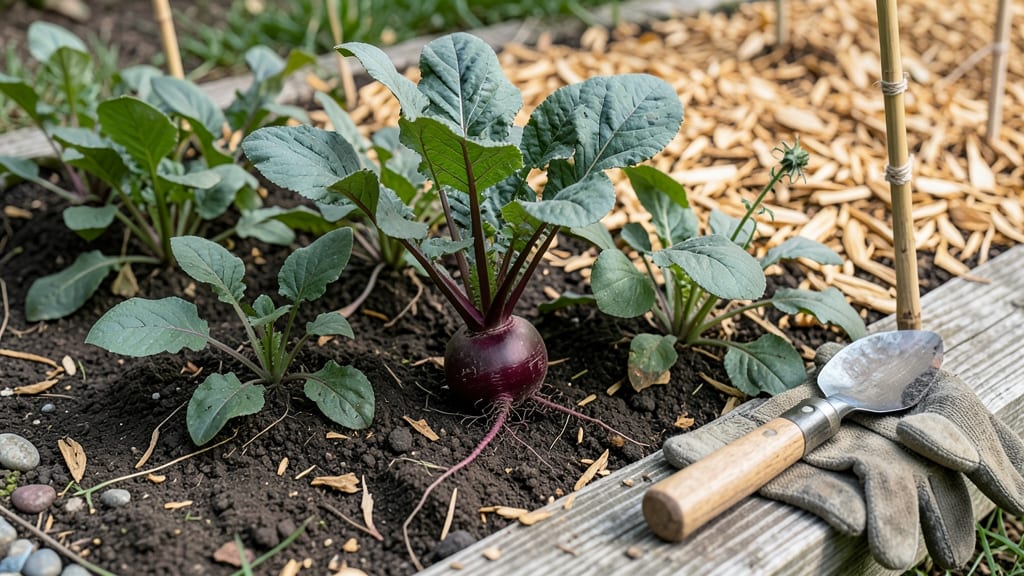
Planting beets in Maine at the right time ensures you get sweet, tender roots before the first frost 🍠 — aim for early spring or late summer for the best harvests.
Maine’s short growing season means timing is everything. Plant too early, and a late frost will nip your seedlings. Too late, and you’ll miss the crisp, flavorful harvests that make homegrown beets worth the effort.
In USDA Zones 5b-6b, the ideal window is March-April for spring harvests or July-August for fall crops. I’ll break down the exact dates by region, plus how to stretch your season with succession planting.
You’ll also learn how to avoid common mistakes, like planting too deep in Maine’s rocky soil or ignoring soil pH, so your beets grow strong and sweet all season long.
Maine beet planting calendar: exact dates for USDA Zones 5-6
Maine’s rocky soil and cool climate make timing critical for beet success. Unlike warmer regions, beets here must avoid late spring frosts while maximizing the 160-day frost-free window. Coastal areas like Portland warm 1-2 weeks earlier than inland spots like Bangor, so adjust accordingly.
Spring planting starts 4-6 weeks before last frost—typically mid-March to early April—while fall plantings begin 8-10 weeks before first frost, usually late July to early August. These windows ensure harvests before October’s killing frosts.
📅 Key Dates by Region:
- Portland (Zone 6a): Last frost May 10, first frost October 20
- Augusta (Zone 5b): Last frost May 15, first frost October 15
- Bangor (Zone 5a): Last frost May 20, first frost October 10
| Planting Window | Start Date (Zone 5) | End Date (Zone 5) | Start Date (Zone 6) | Harvest Window |
|---|---|---|---|---|
| Spring Planting | Mid-March | Early May | Late February | May–June |
| Fall Planting | Late July | Early September | Early July | September–October |
| Succession Planting | Every 2 weeks | Through June | Every 2 weeks | July–August |
For spring plantings, sow seeds ½ inch deep in well-drained soil as soon as temperatures reach 40°F. Coastal areas can start 2 weeks earlier than inland zones. Use black plastic mulch to warm soil faster in colder inland spots.
Fall plantings require cold-hardy varieties like 'Detroit Dark Red' or 'Golden', which tolerate light frosts. Start seeds 8-10 weeks before first frost—typically late July—for harvests before October’s hard freeze. Mulch heavily in September to protect roots.
Maine’s microclimates create 1-3 week differences in frost dates. Check your local USDA Zone and adjust planting by 10-14 days if you’re near coastal areas (warmer) or high elevations (cooler). For example, Presque Isle (Zone 4) may need 3 weeks later than Bangor.
Succession planting every 2 weeks through June ensures continuous harvests. Space seeds 1-2 inches apart in rows 12 inches apart for easy thinning. Thin seedlings to 3-4 inches apart when they’re 2 inches tall to prevent competition.
Monitor soil temperature—beets need 50°F+ to germinate. Use a soil thermometer to avoid planting too early. If nights dip below 30°F after planting, use frost blankets until seedlings are 4 inches tall.
🌱 Key Takeaway: Plant spring beets by April 15 (Zone 6) or May 1 (Zone 5) and fall beets by August 1 (Zone 6) or August 15 (Zone 5) for maximum yields. Adjust for your microclimate!
How to extend beet season in Maine: succession planting secrets
Maine’s cool summers and short growing season make succession planting your secret weapon for fresh beets all season. By staggering plantings every 2-3 weeks, you’ll enjoy harvests from late spring through fall, even in USDA Zones 5-6.
The key? Choosing cold-hardy varieties like 'Detroit Dark Red' and timing plantings to avoid early frost or bolting from heat.
Start your first planting in early April, when soil temperatures reach 45°F. This gives beets time to mature before summer’s heat triggers bolting. For fall harvests, your last planting should go in by mid-July, allowing roots to reach harvest size before first frost (typically mid-October).
This method ensures you’re never without fresh beets—just adjust your schedule based on your local microclimate (coastal areas stay warmer longer than inland spots).
For continuous harvests, focus on short-day varieties like 'Babybeat' or 'Chioggia', which mature faster (around 50 days) and handle Maine’s unpredictable weather better. Thin seedlings to 3-4 inches apart once they’re 2 inches tall—this prevents competition and ensures larger roots.
If you’re using raised beds, they warm up faster in spring, giving you a 2-week head start on planting.
Watch for bolt-resistant varieties if your summer gets hot (above 80°F), as beets bolt quickly in heat. 'Boltardy' and 'Detroit Dark Red' are top choices for Maine gardens. Always water deeply in the morning to keep soil consistently moist, especially during dry spells.
A 1-inch layer of mulch will help retain moisture and suppress weeds, saving you time between plantings.
Don’t forget to harvest regularly—beets left in the ground too long become woody. Aim to pick when roots are 1-3 inches wide and tops are 4-6 inches tall.
For fall storage, leave a few beets in the ground until first frost, then dig and cure them in a cool, dark place for 1-2 weeks before storing. This simple strategy turns Maine’s short season into a year-round beet bonanza.
Pro tip: Keep a planting journal to track which varieties perform best in your garden. Note when you started each batch, how long they took to mature, and any pests or diseases you encountered.
Over time, you’ll refine your schedule to match your unique growing conditions, making succession planting effortless.