
Plants
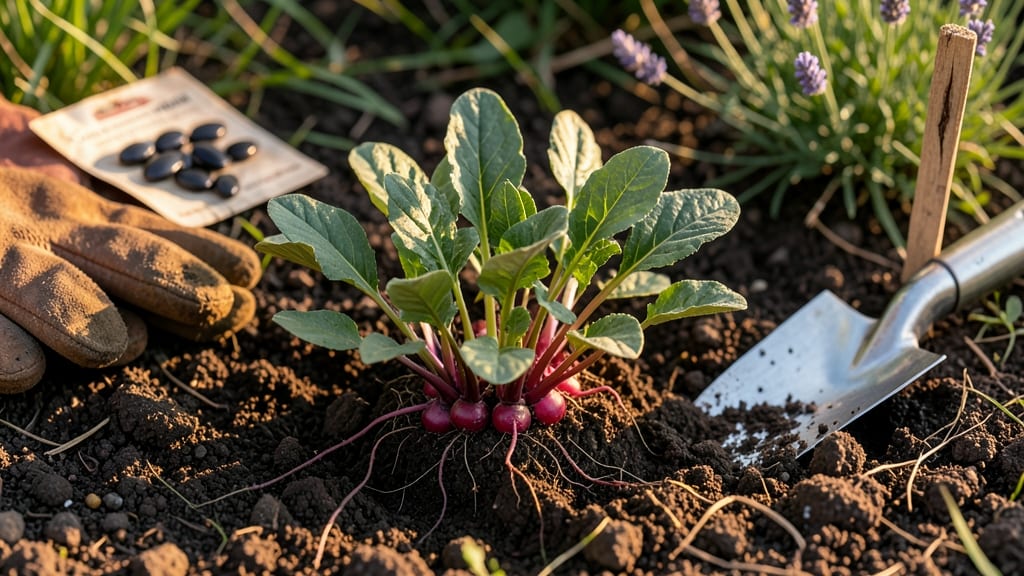
Planting beets in Nebraska means timing your seeds for two short windows—early spring and late summer—when the soil warms enough to break dormancy but stays cool enough to avoid bolting.
Nebraska gardeners know timing is everything—plant beets too early, and a late frost will wipe out your crop; too late, and summer heat turns them woody. In USDA Zones 5a-6b, those windows are tight: March 15 to April 30 for spring and August 15 to September 15 for fall.
Beets are cool-season crops, but Nebraska’s variable weather means you can’t just follow a calendar. Soil temperature matters more than dates—aim for 40°F or warmer—and watch for those unpredictable April frosts that can still hit.
Here’s how to nail the exact planting schedule, including soil prep tricks to speed up germination and succession planting tips to stretch your harvest from June through November.
Best planting windows for beets in Nebraska’s USDA Zones 5-6
Nebraska’s cool-season climate demands precise timing for beets—plant too early, and a late frost will kill seedlings; too late, and summer heat makes them woody and bitter.
As a Zone 5-6 gardener, I’ve learned the ideal windows are early spring (March-April) and late summer (August-September), when soil temperatures hover between 50°F and 70°F for optimal germination.
Beets thrive in Nebraska’s short growing season (about 150 frost-free days), so I focus on two planting cycles: spring for baby beets and fall for full-sized roots.
The key is avoiding heat stress (above 80°F) and early frosts (after October 15). Let’s break down the exact calendar and soil conditions for success.
For spring plantings, I start seeds indoors in late February (using grow lights) to get a head start. By March 15, soil temperatures typically reach 50°F, the minimum for germination.
If you direct-sow, wait until April 1 to avoid frost damage—though I always keep frost cloth handy for late surprises.
Beets are cool-season crops, so they bolt (go to seed) when temperatures exceed 80°F. That’s why my late summer window (August 15–September 15) is critical—it lets roots mature before first frost (October 15).
I prioritize quick-maturing varieties like ‘Detroit Dark Red’ (58 days) or ‘Golden’ (50 days) for fall plantings.
Soil temperature is non-negotiable: use a soil thermometer to confirm 50°F+ before planting. Cold soil delays germination and attracts pests like leaf miners. I also add compost to warm the soil faster—beets need fertile, loose soil to develop sweet roots.
Test your soil’s pH (ideal: 6.0–7.0) and amend with lime if needed.
Pro tip: Succession plant every 2 weeks in spring/fall to ensure a continuous harvest. For example, sow seeds on March 15, April 1, and April 15 for staggered baby beet harvests in June.
In fall, repeat the pattern from August 15 to September 15. This prevents bolting and maximizes your 150-day growing season.
Watch for Nebraska’s variable weather: a late frost in April or early heatwave can ruin a crop. I monitor the National Weather Service and adjust planting dates accordingly. For example, if April stays cold, I delay until May 1—though this risks bolting by summer. Balance is key!
Harvest timing depends on your goal: baby beets (45–50 days) or full-sized roots (60–70 days). In Nebraska, I aim to harvest spring beets by late July before heat stress sets in. For fall beets, I pull them by mid-November before hard frosts blacken the gre
How to extend your Nebraska beet harvest with succession planting
Nebraska’s short growing season means every week counts when it comes to beet harvests. By using succession planting, you can enjoy fresh beets from early summer through fall—without the risk of bolting or woody roots.
The key is spacing out plantings every 2-3 weeks during the ideal windows: March 15-April 30 for spring and August 15-September 15 for fall.
Succession planting works by staggering your plantings so that as one batch reaches harvest size, another is just getting established. For Nebraska’s climate, this means planning for two main harvest windows: June-July for spring plantings and October-November for fall.
The trick is to avoid planting all your seeds at once, which would overwhelm your garden and leave you with a glut of beets all at the same time.
Here’s your step-by-step guide to Nebraska beet succession planting:
🌱 Nebraska Beet Succession Planting Timeline
- 📅 March 15: Start first spring planting when soil reaches 50°F and frost risk drops below 50%. Plant seeds ½ inch deep in rows 12 inches apart.
- 📅 April 1: Sow a second batch 2 weeks later to ensure continuous harvests. Thin seedlings to 3-4 inches apart when they’re 2 inches tall.
- 📅 April 15: Plant a third batch if your last frost date is late. Use row covers for extra protection if frost threatens.
- 📅 August 15: Begin fall succession with first planting. Choose bolting-resistant varieties like ‘Detroit Dark Red’ or ‘Golden’ for heat tolerance.
- 📅 September 1: Sow a final batch 3-4 weeks before first frost (aim for October harvest). Use mulch to extend soil warmth.
Spacing is critical for beet succession. Plant seeds 1-2 inches apart in rows spaced 12-18 inches apart to allow room for roots to expand. When seedlings emerge, thin them to 3-4 inches apart—this reduces competition and prevents forked roots, which make beets less tender.
For baby beets, you can harvest them as early as 30 days after sowing by pulling the whole plant.
Companion planting can also boost your beet harvest in Nebraska. Pair beets with garlic, onions, or lettuce to deter pests like leaf miners and beetles. Avoid planting near pole beans or sunflowers, which can stunt beet growth.
A living mulch of clover or straw also helps retain moisture and suppress weeds, which is especially helpful during Nebraska’s dry spells.
To maximize your harvest, keep an eye on soil moisture—beets need 1 inch of water per week, especially during Nebraska’s hot summers. Water deeply in the morning to prevent fungal diseases like leaf spot.
If you notice leaves turning yellow or roots becoming woody, it’s time to harvest that batch and start thinning the next one.
With this succession strategy, you’ll enjoy a steady supply of sweet, tender beets all season long—no more bolting disasters or wasted harvests! Start small with one row every 2 weeks, and adjust based on your garden’s performance. Happy planting! 🌱