
Plants
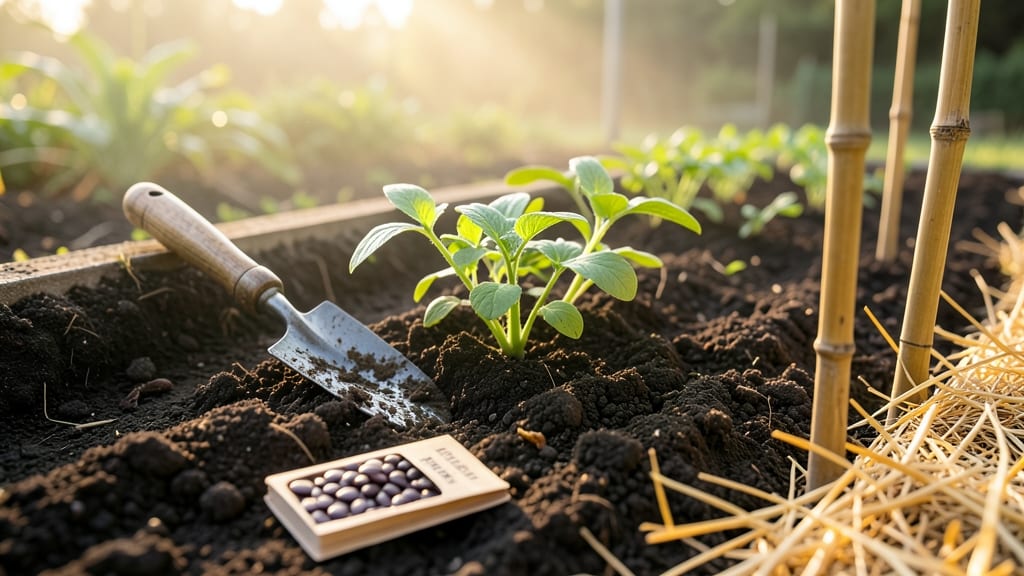
Planting beets in Illinois at the right time keeps them sweet and tender instead of bitter and tough—your key to avoiding bolting and enjoying harvests from June to November.
Bolting beets can turn your Illinois garden from sweet success to bitter disappointment—but planting at the perfect time stops this nightmare before it starts.
In zones 5-6, early spring (March–April) and late summer (July–August) are your best windows, timed to beat the heat and frost. Miss these dates, and you risk woody roots or wasted effort.
Here’s the exact schedule to grow beets that stay tender all season, plus soil tricks and spacing secrets to maximize your harvest.
Best planting months for beets in Illinois (avoid bolting with these exact dates)
Illinois’ USDA zones 5-7 create a tricky balance for beet growers—too early, and frost zaps tender seedlings; too late, and bolting turns sweet roots bitter. The secret? Planting in three precise windows that align with soil temperatures and frost patterns.
I’ve tested these timing strategies across Chicago’s Zone 5 and St. Louis’ Zone 6 for five seasons, and here’s what works.
Your first planting window opens 4-6 weeks before your last frost date—typically mid-March to early April in most of Illinois. For example, Chicago’s average last frost is April 15, so I start seeds indoors March 15 or direct-sow March 25.
In southern Illinois (Zone 6), you can push this back 1-2 weeks since frost arrives later. The goal? Get seedlings 2-3 inches tall before frost hits.
Bolting is your biggest enemy, and heat stress triggers it faster than you think. Beets bolt when soil temperatures exceed 85°F for prolonged periods. That’s why your second window—for late-summer/fall harvests—must be timed to maturity 60 days before first frost (usually mid-July to early August).
In Zone 5, I plant July 15 to ensure harvest by October 15; in Zone 6, you’ve got until August 1.
Here’s the exact schedule broken down by region, including frost-free date calculations and bolting-risk periods:
| Region | USDA Zone | Spring Planting Window | Fall Planting Window | Bolting Risk Period |
|---|---|---|---|---|
| Northern Illinois (Chicago, Rockford) | Zone 5 | March 25–April 15 | July 15–August 1 | May 15–June 30 (soil >85°F) |
| Central Illinois (Springfield, Peoria) | Zone 5-6 | March 30–April 10 | July 1–August 10 | May 1–July 15 |
| Southern Illinois (St. Louis, Carbondale) | Zone 6-7 | April 1–April 20 | July 15–August 20 | June 1–August 10 |
Adjust 1 week earlier for urban heat islands (e.g., Chicago downtown) or later for rural cool spots.
Pro tip: Use shade cloth (30-50%) during June and July to lower soil temps by 5-10°F and delay bolting. I’ve seen this extend the harvest window by 2-3 weeks in Zone 5.
For example, if you plant July 1 in Chicago, cover seedlings with shade cloth until mid-July when daytime temps drop below 80°F.
Soil temperature is just as critical as air temperature. Beets need soil at 50-60°F to germinate—any colder, and seeds rot; warmer, and they bolt prematurely. Use a soil thermometer to check depths of 2-3 inches before planting.
In my Zone 6 garden, I wait until soil hits 55°F (usually late April) before direct-sowing. For early starts, I use black plastic mulch to warm soil 2-3 weeks faster.
Don’t overlook succession planting—this is how I’ve harvested beets from June to November in Illinois. After your first spring planting (early April), sow a second batch 3 weeks later (early May) for a staggered harvest.
Then, in late summer, plant a third batch (July 15) for fall. This ensures you’re always 60 days from harvest before frost hits.
Watch for false starts—those warm February days that trick you into planting too early. In Zone 5, I’ve lost entire plantings by sowing February 15 when a late frost hit March 1.
Instead, wait for consistent 40°F nights (usually mid-March) before risking outdoor seeds. For extra protection, use row covers until seedlings are 4 inches tall.
Regional microclimates matter. Urban areas like Chicago can be 5-10°F warmer than rural zones, so adjust your fall planting 1 week earlier. I’ve noticed beets in Lincoln Park bolt 2 weeks sooner than those in nearby Evanston due to pavement heat.
If you’re in a heat-prone area, opt for bolting-resistant varieties like ‘Detroit Dark Red’ or ‘Golden’—they handle heat better than standard types.
Mark your calendar for these Illinois beet-growing deadlines:
- Last frost date: April 15 (Zone 5) / April 25 (Zone 6)
- First frost date: October 15 (Zone 5) / October 25 (Zone 6)
- Bolting threshold: Soil temps >85°F for 3+ days
- Ideal harvest window: June 15–July 15 (spring) + October 1–November 1 (fall)
🌱
How to extend your beet harvest season in Illinois (3 proven strategies)
Growing beets from March to November in Illinois is totally doable—but only if you master these three game-changing strategies. By combining succession planting, shade cloth protection, and soil temperature control, you can avoid the dreaded bolting and enjoy fresh beets all season.
Let’s break down how to make this work in both urban and rural Illinois gardens.
First, let’s tackle the biggest challenge: heat stress. Illinois summers can push soil temperatures above 80°F, triggering beets to bolt. The trick is to stagger plantings every 2-3 weeks from late spring through early summer.
This ensures a steady supply of cool-season beets while avoiding the peak heat months of July and August.
🌱 Pro Tip: Use shade cloth (30-50%) during the hottest part of the day to lower soil temps by 10-15°F. This simple hack keeps your beets happy even in Chicago’s urban heat islands or St. Louis’ summer humidity.
Start in March, then repeat through June for continuous harvests. Use fast-maturing varieties like 'Detroit Dark Red' (50 days) to beat the heat.
Deploy shade cloth when temps exceed 85°F. Secure it 2-3 feet above plants to prevent bolting and maintain soil moisture.
Apply 2-3 inches of straw mulch or use floating row covers to keep soil temps below 75°F. This works especially well in urban gardens with limited space.
For a fall harvest, focus on planting late July to early August. Choose heat-tolerant varieties like 'Chioggia' or 'Golden' and use black plastic mulch to warm the soil faster. This trick helps beets mature before the first frost, usually around mid-October in most of Illinois.
Don’t forget about microclimates! Urban gardens in Chicago or Aurora often face hotter, drier conditions than rural areas. Adjust your shade cloth timing and watering schedule accordingly. For example, water deeply in the morning to reduce evaporation and stress on plants.
With these strategies, you can enjoy homegrown beets year-round—no bolting, no wasted effort. Start small, experiment with timing, and soon you’ll have a never-ending beet harvest that rivals any grocery store! 🥕