
Plants
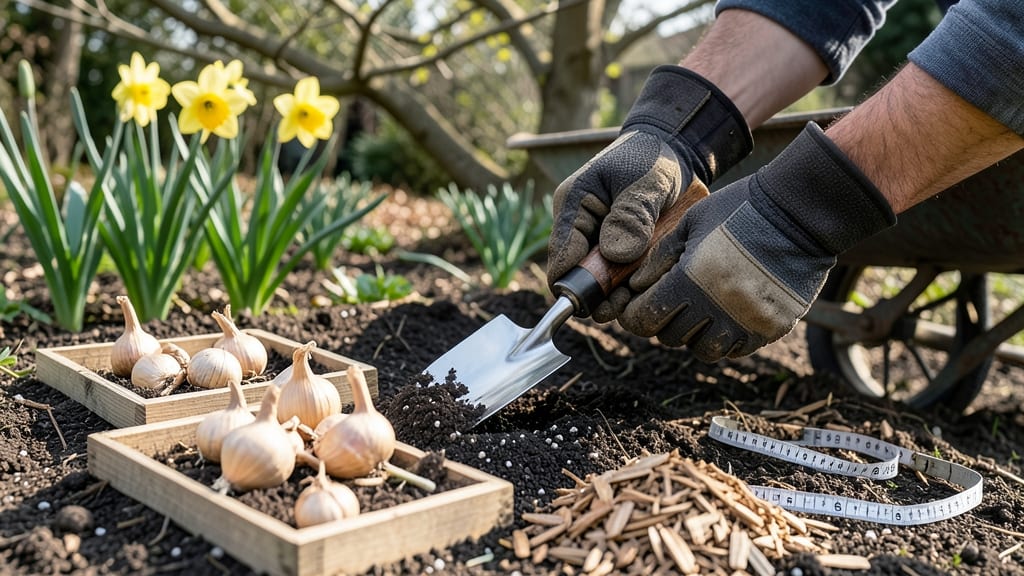
Planting daffodils in North Carolina at the right time means the difference between a showstopping spring garden and bulbs that rot or freeze before they bloom.
If you’ve ever waited eagerly for those bright 🌼 blooms only to find wilted stems, you’re not alone. The secret? Planting them 6-8 weeks before the ground freezes—usually between October and November—so they establish roots before winter sets in.
Skip this window, and you risk weak growth or no flowers at all.
North Carolina’s varied climate—from the cooler mountains to the milder coast—means timing matters even more. In zones 6b-8a, early planting in October gives bulbs time to root before frost, while late November works for warmer southern regions.
We’ll break down the exact months for your area, plus soil prep tricks to ensure your daffodils thrive.
Ready to skip the guesswork? You’ll learn how to read your local frost dates, the best soil conditions for NC gardens, and whether containers or ground beds work better for your yard. Let’s get those bulbs in the ground the right way.
Best planting months for daffodils in NC by hardiness Zone (6-8)
North Carolina's diverse climate zones (6b-8a) create unique challenges for daffodil planting. In Zone 6b, early frosts arrive by mid-November, while Zone 8a gardeners have until late December before winter sets in.
Planting outside these windows risks frost damage or delayed blooms, but timing perfectly ensures vibrant spring displays with minimal effort.
Daffodils need 6-8 weeks to establish roots before winter dormancy. This means planting 6 weeks before your area's first hard frost—typically October through November in NC.
However, early planting in September can work in Zone 8a, while late planting in December might succeed in Zone 6b if soil isn't frozen.
| Zone | Ideal Planting Window | Frost Risk | Soil Temp (°F) | Notes |
|---|---|---|---|---|
| Zone 6b | October 15 - November 15 | High (first frost: Nov 15) | 50-60°F | Plant ASAP after purchase. Use mulch to insulate bulbs. |
| Zone 7a | October 1 - November 30 | Moderate (first frost: Nov 25) | 50-65°F | Flexible window. Early planting reduces deer pressure. |
| Zone 7b | September 15 - December 15 | Low (first frost: Dec 1) | 55-65°F | Can plant late if soil isn't frozen. Monitor soil moisture. |
| Zone 8a | September 1 - December 10 | Minimal (first frost: Dec 15) | 60-70°F | Longest window. Early planting yields earliest blooms. |
In Zone 6b, where frosts arrive earliest, I recommend planting by November 15 to avoid root damage. The soil should still be workable (50-60°F), but bulbs will establish roots before winter. Use a soil thermometer to check—plant when temps drop below 60°F consistently at night.
For Zone 7a/7b, the window expands to October 1-November 30, but don't wait too long. Bulbs planted after November 15 may struggle to root before frost.
In Zone 8a, you can plant as late as December 10, but aim for September-October for the most reliable blooms next spring.
Early planting (September-October) has advantages: bulbs establish roots before pests like voles or deer become active, and you reduce competition from weeds. However, planting too early in Zone 6b risks rot if soil stays too wet.
Late planting (November-December) works in milder zones but may produce smaller blooms the first year.
Pro tip: Use mulch (3-4 inches) after planting to insulate bulbs and retain moisture. In Zone 6b, I add straw mulch in early December to protect newly planted daffodils from freeze-thaw cycles. In Zone 8a, a lighter mulch suffices since frosts are rare.
If you miss the ideal window, don't panic! Daffodils can handle late planting as long as the ground isn't frozen. In Zone 7b/8a, I've successfully planted in January with no issues—they just bloom 2-3 weeks later than ideal plantings.
For Zone 6b, January planting is risky unless you have heated beds or containers.
For container gardening in NC, adjust timing slightly. Containers warm up faster, so plant 2-3 weeks earlier than ground plantings. In Zone 6b, this means late September instead of October. Use well-draining potting mix and place containers where they won't freeze solid.
Remember: Daffod
How to time daffodil planting for maximum spring blooms in NC
Timing your daffodil planting in North Carolina isn't just about the calendar—it's about understanding your soil's readiness and the subtle cues from nature. The key is planting when the ground cools to 60°F or below but before the first hard frost hits.
This window typically falls between mid-October and early December, but your exact timing depends on your local microclimate.
For example, gardeners in the mountain regions (Zone 6b) should plant earlier (late September to early November), while those in the coastal areas (Zone 8a) can extend planting into December.
The goal is to give daffodil bulbs time to establish roots before winter dormancy begins, ensuring they'll burst into vibrant blooms next spring.
Check Soil Temperature
Use a soil thermometer to confirm temperatures are consistently 60°F or below at a depth of 4-6 inches. This ensures bulbs won't sprout too early and risk frost damage.
Align with Moon Phases
Plant during the waxing moon (when the moon is growing) for stronger root development. The root phase (7 days before and after the full moon) is ideal for bulb planting.
Plant 6-8 Weeks Before Frost
In NC, this means October-November for most regions. Use your local frost date (typically November 15) as your deadline.
Prepare Soil Properly
Amend soil with compost for drainage and mix in a bulb-specific fertilizer (like 5-10-10) to jumpstart root growth.
Water After Planting
Give bulbs a deep watering immediately after planting to settle the soil. Then, reduce watering to once every 2 weeks until spring.
After planting, focus on mulching to insulate bulbs from temperature swings. Use 2-3 inches of straw or shredded leaves, but avoid piling mulch directly against the bulbs to prevent rot.
This protective layer helps maintain consistent soil temperatures and protects against winter heaving—when bulbs push out of the ground due to freeze-thaw cycles.
One of my favorite tricks is marking planting spots with biodegradable flags so I don’t accidentally disturb them when snow falls. In early spring, as soon as the shoots emerge (around February), remove the mulch to encourage blooming.
This simple step can mean the difference between weak stems and showstopping daffodils.
For container plantings, use a well-draining potting mix and plant bulbs in groups of 3-5 for a dramatic display. Place containers in a protected location, like near a south-facing wall, to shield them from harsh winds and late frosts.
With the right timing and care, your daffodils will reward you with months of cheerful blooms from late winter through spring.