
Plants
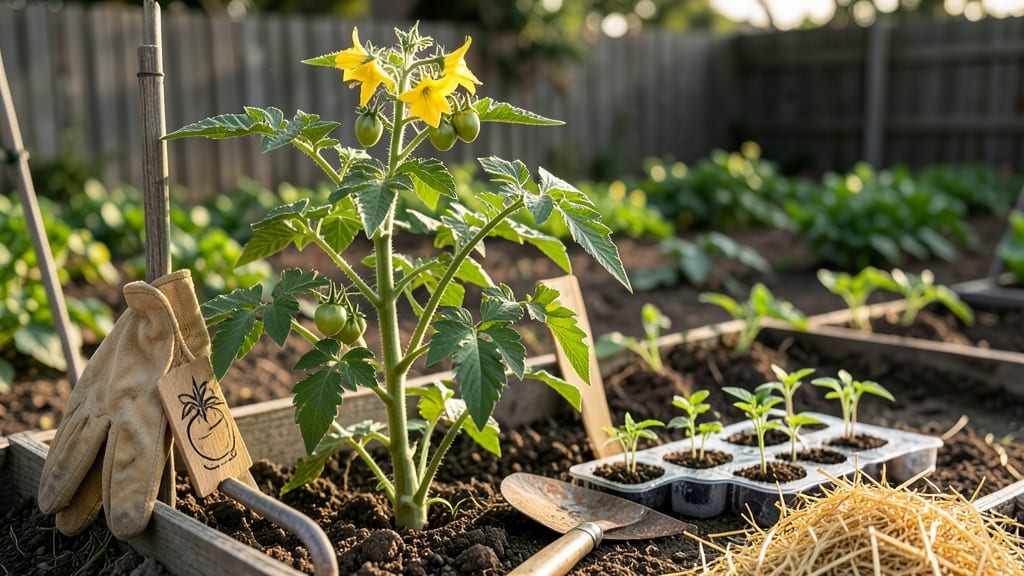
Plant tomatoes in North Carolina about 4-6 weeks before your last frost date—typically mid-April for Zone 8B and early May for Zone 7A—to give seedlings time to harden off before the heat arrives.
Picture this: you’ve spent weeks nurturing your 🍅 seedlings, only to rush them into the ground too early and watch them wilt under a late frost. Or worse, you plant too late, and the summer heat zaps your fruit before it ripens.
North Carolina’s varied microclimates—from the Piedmont’s mild springs to the Mountains’ lingering cold—mean timing is everything.
This guide breaks down the exact planting windows for your zone, plus how to adjust for early vs. late varieties, container gardening, and even a fall harvest trick that extends your season into November. No more guessing—just a foolproof schedule backed by NC State Extension data.
You’ll learn how to time your transplants for soil temperatures above 60°F, when to start seeds indoors, and the one mistake that kills more tomato plants in NC than frost ever does. Ready to turn your garden into a 🍅 powerhouse?
North Carolina tomato planting schedule by zone (7A vs 8B)
North Carolina’s USDA Zones 7A and 8B offer two distinct tomato-growing seasons, but timing is everything. In Zone 7A (Asheville, Boone), cooler mountain air means later starts, while Zone 8B (Raleigh, Charlotte) enjoys earlier planting due to warmer Piedmont summers.
The key? Soil temperature and last frost dates—both vary dramatically between these zones. For Zone 7A, wait until mid-May for transplants, while Zone 8B gardeners can start as early as mid-April. Let’s break it down week by week to ensure your plants thrive from seedling to harvest.
Before diving into dates, here’s the golden rule: Never plant tomatoes until soil temperatures hit 60°F. Cold soil stunts root growth, leaving plants vulnerable to disease. Use a soil thermometer to check—if it’s below 60°F, delay planting.
In Zone 7A, this often means waiting until late May, while Zone 8B soils typically warm up by early April. Pro tip: Black plastic mulch can raise soil temps by 5–10°F, giving you an earlier start in both zones.
Now, let’s compare the ideal transplant windows for each zone. The table below shows exact weeks before last frost, soil temp thresholds, and adjustments for early vs. late varieties. Zone 7A’s shorter growing season demands careful planning, while Zone 8B offers flexibility for both spring and fall harvests.
For Zone 7A gardeners, the May 15–June 1 transplant window is critical. Early varieties like 'Stupice' (a cold-tolerant heirloom) can be planted as soon as May 1 with row covers to protect against late frosts.
If you miss this window, don’t despair—late varieties like 'Celebrity' can be planted in early June for a fall harvest. Just be prepared for a shorter growing season; aim for varieties with 60–70 days to maturity.
Zone 8B offers more flexibility, but rushing can backfire.
Planting too early (before April 15) risks blossom end rot from cool soil, while waiting until after May 1 may mean missing the peak summer harvest. Cherry tomatoes like 'Sweet 100' thrive in Zone 8B’s heat, so prioritize them for early planting. For a
How to adjust planting dates for early vs. late tomato varieties
Not all tomatoes thrive under North Carolina’s shifting spring temperatures. Heat-tolerant beefsteaks like 'Celebrity' need warmer soil to flourish, while cooler-season cherries like 'Sweet 100' can handle lighter frosts. The key? Matching your variety to the right planting window and using season-extending tools like row covers.
In Zone 7A (Asheville, Boone), cooler nights delay planting by 2-3 weeks compared to Zone 8B (Raleigh, Charlotte). For example, 'Sweet 100' can often go in the ground 2 weeks before 'Celebrity'—but only if you’re using black plastic mulch to warm the soil faster.
🌱 Numbered Highlights: Adjusting Planting Dates
- 🌡️ Soil Temp Check: Wait until soil reaches 60°F for beefsteaks ('Celebrity') or 55°F for cherries ('Sweet 100'). Use a soil thermometer for accuracy.
- ⏰ Zone 7A Timing: Plant heat-lovers (like 'Brandywine') April 20–May 10 after last frost. For cherries, start March 25–April 15 with row covers.
- 🛡️ Extend Season: Use floating row covers to plant 'Sweet 100' 2 weeks earlier in spring or 2 weeks later in fall. Remove when flowers appear.
- ☀️ Full Sun Rule: All varieties need 6+ hours of sun. In Zone 7A, south-facing beds warm up faster—ideal for late-planted beefsteaks.
- 🍅 Fall Planting: For a second harvest, sow 'Sweet 100' seeds indoors July 1–15 and transplant August 1–15. Use cold frames to delay frost.
Pro tip: Start seeds indoors 6-8 weeks before your target transplant date. For 'Celebrity', this means early March in Zone 8B or late March in Zone 7A. Seedlings need 12+ hours of light daily—use grow lights if your windows are dim.
If you’re in Zone 7A and worried about late frosts, cherry tomatoes are your safest bet. Their smaller size means they ripen faster (50–60 days vs. 70–85 days for beefsteaks). Plus, they’re less prone to blossom-end rot in fluctuating temperatures.
For fall harvests, prioritize determinate varieties like 'Roma' or 'Patio'. They set fruit quickly and handle cooler nights better than indeterminate types. Pair them with straw mulch to insulate roots from early October frosts.
Remember: Adjust for microclimates. A south-facing slope in Asheville might warm up enough for 'Celebrity' by April 10, while a valley garden could wait until May 1. Always check NC State Extension’s frost maps for local adjustments.