
Plants
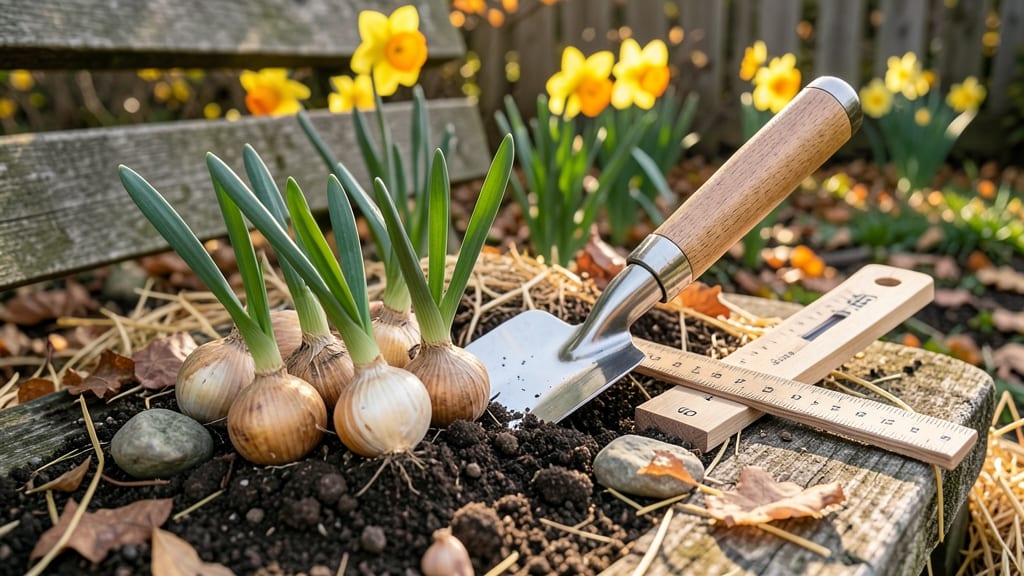
Planting daffodil bulbs in Northern California between October and November ensures they root before winter’s chill, setting the stage for bold spring blooms 🌼.
Timing is everything—plant too early, and they’ll rot; too late, and you’ll miss spring’s vibrant blooms. Mastering the exact window by microclimate (coastal vs. inland) is the key to year-after-year success.
In zones 8a (Sacramento) to 9a (San Francisco), aim for 4-6 weeks before the ground freezes, typically mid-October to early November. Soil should be cool but workable, not soggy.
Below, I’ll break down the perfect planting schedule by zone, soil prep secrets, and how to protect your bulbs from late frosts or heatwaves—so your garden wakes up to a sea of color.
Northern California daffodil planting calendar by USDA Zone (exact months & soil prep)
Northern California’s diverse climate—from coastal fog belts to inland valleys—means daffodil planting windows vary dramatically. In USDA Zone 8a (Sacramento, Redding), bulbs thrive when planted by November 15, while Zone 9a (San Francisco, Santa Cruz) extends the window until December 10.
Coastal areas stay milder, delaying frost risk, but inland zones freeze earlier. Timing isn’t just about months—it’s about soil temperature dropping to 50–60°F consistently.
For bold spring blooms, aim to plant daffodils when daytime temps average 60°F and nights dip near 45°F. This triggers root growth before winter dormancy.
In Zone 7b (Mount Shasta), start as early as October 1, while Zone 9b (Los Angeles outskirts) can wait until December 1. Use a soil thermometer to confirm readiness—bulbs rot if planted in warm soil above 65°F.
Soil prep is your secret weapon. Daffodils demand well-draining soil with a pH of 6.0–7.0. Test your soil 4–6 weeks before planting. If it’s clay-heavy, mix in 3 inches of compost or sand to prevent waterlogging.
Coastal gardens often need extra drainage amendments due to winter rains, while inland areas benefit from organic matter to retain moisture during dry spells.
Here’s your microclimate-specific planting guide, including frost dates and ideal bulb depth for long-term longevity:
| USDA Zone | Planting Window | Soil Temp Trigger | Bulb Depth | Frost Risk | Coastal vs. Inland |
|---|---|---|---|---|---|
| Zone 7b (Mount Shasta) | October 1–15 | 50–55°F | 6–8 inches deep | High (first frost: Nov 1) | Inland |
| Zone 8a (Sacramento) | October 15–November 15 | 55–60°F | 6–7 inches deep | Moderate (first frost: Nov 15) | Inland |
| Zone 8b (San Francisco) | November 1–December 1 | 50–58°F | 5–6 inches deep | Low (first frost: Dec 10) | Coastal |
| Zone 9a (Santa Cruz) | November 15–December 10 | 52–57°F | 4–5 inches deep | Very Low (first frost: Dec 20) | Coastal |
| Zone 9b (Los Angeles) | December 1–15 | 55–60°F | 3–4 inches deep | Minimal (first frost: Dec 30) | Inland/Urban |
Planting depth matters more than you think. Deeper bulbs (6–8 inches) in Zone 7b protect against freeze-thaw cycles, while shallow depths (3–4 inches) in Zone 9b prevent rot in wet winters.
Use a trowel to dig holes 3x wider than the bulb—this encourages root spread. In coastal gardens, add a 1-inch layer of gravel at the bottom to boost drainage.
After planting, mulch with 2–3 inches of straw or wood chips to insulate bulbs from temperature swings. In inland zones, this prevents soil from drying out in winter; in coastal areas, it shields against chilly ocean breezes.
Water deeply once after planting to settle the soil, then reduce watering until spring rains return. Overwatering now leads to bulb rot, while underwatering stresses roots.
Pro tip: Plant early-blooming varieties (like ‘Tête-à-Tête’) in Zone 9 to beat heatwaves, and late-bloomers (like ‘Ice Follies’) in Zone 7 to extend the season. Mix heights—dwarf daffodils (6 inches) edge walkways, while standard types (18+ inches) anchor borders.
Label your beds now; daffodil foliage fades by summer, and you’ll forget where they’re planted!
Watch for squirrels and gophers, which dig up bulbs in late fall. Scatter castor bean seeds or use
5 Critical signs your Northern California daffodil planting time is perfect (or too late)
Northern California’s variable microclimates make timing daffodil planting tricky—coastal San Francisco and inland Sacramento can differ by weeks. The key? Watch for these field-tested indicators that signal your bulbs are ready to go in the ground. Miss them, and you risk rotten bulbs or missed spring blooms.
First, check your soil moisture. The perfect planting window arrives when the ground feels cool but workable—not soggy from winter rains.
Stick your finger 4 inches deep; if it’s damp but not muddy, your soil’s ready. Overwatered soil in early fall delays root growth, while bone-dry ground in late fall stresses bulbs.
Next, observe weed activity. When annual weeds like chickweed and mustard start sprouting, it’s your cue to plant. These weeds thrive in fall moisture and signal the ideal 60°F soil temperature for daffodil roots. Wait too long, and weeds will compete for nutrients, stunting your bulbs.
Listen to local wildlife. Squirrels and deer digging up bulbs? They’re hungry because food is scarce—a sign winter’s edge is near. Meanwhile, earthworms become more active in damp soil, aerating it perfectly for bulb roots. If you spot worms at the surface, grab your trowel!
-
1. Soil Temperature
Test with a soil thermometer—60–65°F is perfect. Coastal areas hit this in late October; inland zones wait until mid-November. -
2. Weed Sprouting
Chickweed and mustard weeds signal fall moisture. Plant within 1–2 weeks of their first appearance to avoid competition. -
3. Wildlife Digging
Squirrels and deer foraging bulbs means food is scarce. Plant 2–3 weeks after you notice increased digging. -
4. Earthworm Activity
Worms surfacing mean soil is aerated and damp. This happens 2–4 weeks before frost—perfect for bulb root establishment. -
5. First Frost Forecast
Plant 4–6 weeks before your area’s average first frost (e.g., November 15 in Sacramento). Use local weather apps for real-time updates.
One common mistake? Planting when soil is still warm from summer. Use a soil thermometer to confirm temps below 65°F. In coastal areas, this happens earlier—sometimes as early as late September—while inland valleys may not cool until November.
Finally, avoid planting if rain is forecasted for the next 48 hours. Soggy soil smothers bulbs and invites rot diseases. Instead, wait for a dry spell or plant in raised beds for better drainage. A little patience now means vibrant blooms next spring!
Pro tip: Mark your planting date on a garden calendar and note which signs you observed. Over time, you’ll recognize the perfect window for your specific microclimate—no guesswork needed! 🌼