
Plants
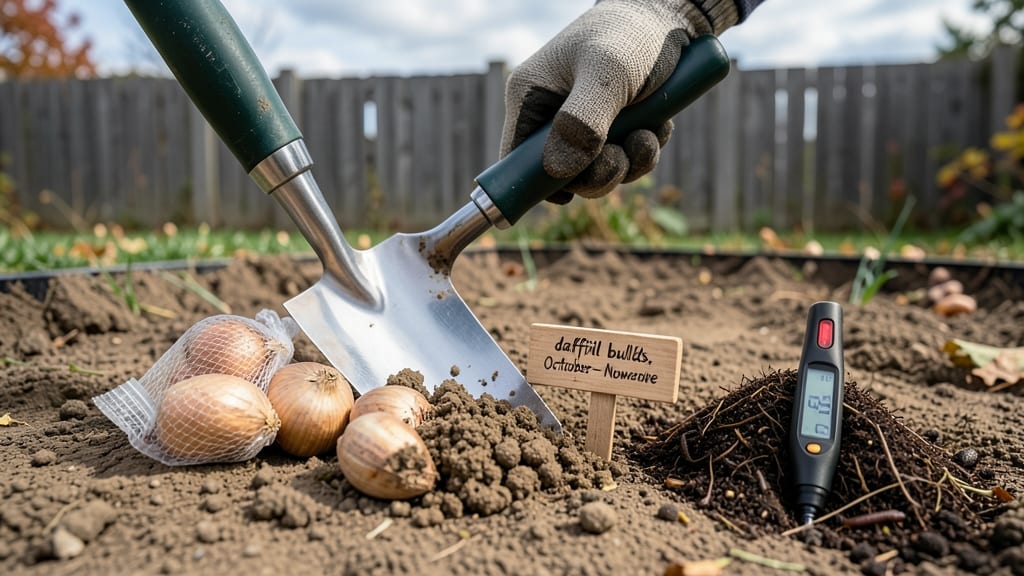
Planting daffodil bulbs in Wisconsin between September and October sets them up for vibrant spring blooms—just before the ground freezes but after summer heat fades.
Wisconsin’s unpredictable fall weather can make or break your daffodil blooms—planting at the wrong time risks rot, while perfect timing guarantees reliable spring displays. Here’s exactly when to plant daffodil bulbs in Wisconsin’s unique growing zones for foolproof success.
In USDA Zones 4b-6a, aim for 4-6 weeks before the first hard frost, typically late September to early October. Southern Wisconsin (Zone 6a) has a slightly longer window, while northern areas (Zone 4b) need to plant earlier to avoid winter thaw cycles that can wake bulbs too soon.
Below, I’ll break down the best planting dates by zone, soil prep tips for Wisconsin’s clay-heavy soils, and how to protect your bulbs from hungry squirrels—so you can enjoy cheerful 🌼 blooms next April.
Best fall planting dates for Wisconsin daffodils by hardiness Zone
Wisconsin gardeners know that timing is everything when planting daffodil bulbs. The 4-6 week window before the ground freezes determines whether your bulbs establish strong roots or rot in cold, soggy soil.
Since Wisconsin spans USDA zones 4b through 6a, your exact planting dates depend on your location—northern areas like Zone 4b have shorter windows than southern Zone 6a regions near Madison.
For reliable blooms next spring, aim to plant when soil temperatures drop to 50-60°F—this triggers root growth without encouraging premature sprouting. Moon phases also play a subtle role: planting during a waxing moon (when the moon is growing) can boost root development, while a waning moon may slow it down.
Wisconsin’s first hard frost typically arrives between October 15 (north) and November 1 (south), so plan accordingly.
Here’s a quick reference for Wisconsin’s hardiness zones 5a-6b, including ideal planting windows, soil temperature thresholds, and moon phase tips to maximize bulb success before winter sets in.
Planting depth is critical for Wisconsin’s freeze-thaw cycles. Bury bulbs 6-8 inches deep in well-draining soil to protect them from heaving during winter. In Zone 5a, where winters are harshest, add a 2-inch layer of mulch after planting to insulate the soil and retain moisture.
For Zone 6a, mulch is optional but still beneficial for moisture retention.
If you’re in northern Wisconsin (Zone 4b), consider planting taller daffodil varieties like ‘Ice Follies’ or ‘Thalia’, which handle colder soils better. In southern Wisconsin (Zone 6a), you can experiment with dwarf varieties like ‘Tête-à-Tête’ for container gardens or rockeries.
Always choose certified disease-free bulbs from reputable nurseries to avoid introducing narcissus fly or basal rot into your garden.
Pro tip: Use a soil thermometer to monitor temperatures before planting. If soil stays above 60°F for more than a week, delay planting until temperatures drop—warm soil encourages premature sprouting, which weakens bulbs before winter. In Zone 5b, this is especially important as fall temperatures can fluctuate wildly.
After planting, water deeply to settle the soil and encourage root growth. Avoid overwatering, as soggy soil in late fall can lead to bulb rot.
In Zone 6a, where winters are milder, you might get away with a lighter watering schedule, but Zone 5a gardeners should prioritize moisture until the ground freezes solid.
For an extra edge, plant bulbs in raised beds if your native soil is heavy clay—this improves drainage and warms up faster in spring. Add compost or aged manure to the planting hole to give roots a nutrient boost before dormancy.
By following these zone-specific guidelines, your daffodils will emerge stronger and bloom brighter next spring, even in Wisconsin’s unpredictable climate.
Remember: The key to foolproof daffodil planting in Wisconsin is balancing timing, soil temperature, and depth. Get it right, and you’ll enjoy vibrant yellow blooms that signal spring’s arrival—no matter which zone you’re in. 🌼
How to prepare Wisconsin soil for daffodil bulbs before planting
Wisconsin’s clay-heavy soils and humid winters demand special prep to ensure daffodil bulbs thrive. Poor drainage or compacted soil can lead to rotten bulbs and missed spring blooms. Start by testing your soil’s pH (6.0–7.0 ideal) and drainage—two critical factors for daffodil success in the Badger State.
Daffodils crave well-aerated, slightly acidic soil. If your yard’s soil is heavy clay (common in southern Wisconsin), amend it with organic matter like compost or peat moss. Aim for a 30% organic matter ratio to improve structure and water retention without suffocating roots.
- 🌱 Soil Test: Check pH with a kit (aim for 6.0–7.0). Adjust with lime (to raise) or sulfur (to lower).
- 🪴 Drainage Fix: Add 1–2 inches of sand or perlite to clay soil. For raised beds, use a 50/50 mix of soil/compost.
- 🌿 Organic Boost: Work in 3–4 inches of compost or aged manure. Avoid fresh manure (burns bulbs).
- ☀️ Sunlight Prep: Clear weeds/debris from planting areas. Daffodils need full sun (6+ hours/day).
- 🐿️ Squirrel Deterrent: Plant alliums or fritillaries nearby—their scent confuses rodents.
For acidic soils (common in northern Wisconsin), add elemental sulfur (1 lb per 100 sq ft) 2–3 months before planting. In alkaline soils, incorporate peat moss or pine needles to lower pH gradually. Always water amended soil deeply to help nutrients settle.
If your yard has poor drainage, consider planting daffodils in raised beds or on mounds. This prevents waterlogging, which causes bulb rot. Mulch with 2–3 inches of straw or shredded leaves after planting to insulate bulbs and retain moisture during Wisconsin’s freeze-thaw cycles.
Finally, avoid over-fertilizing before planting—daffodils store energy in their bulbs. Wait until early spring (March–April) to apply a balanced 5-10-10 fertilizer once shoots emerge. This timing prevents excessive foliage growth that weakens blooms.
With these steps, your Wisconsin soil will be daffodil-ready, ensuring vibrant spring blooms year after year. Happy planting! 🌼