
Plants
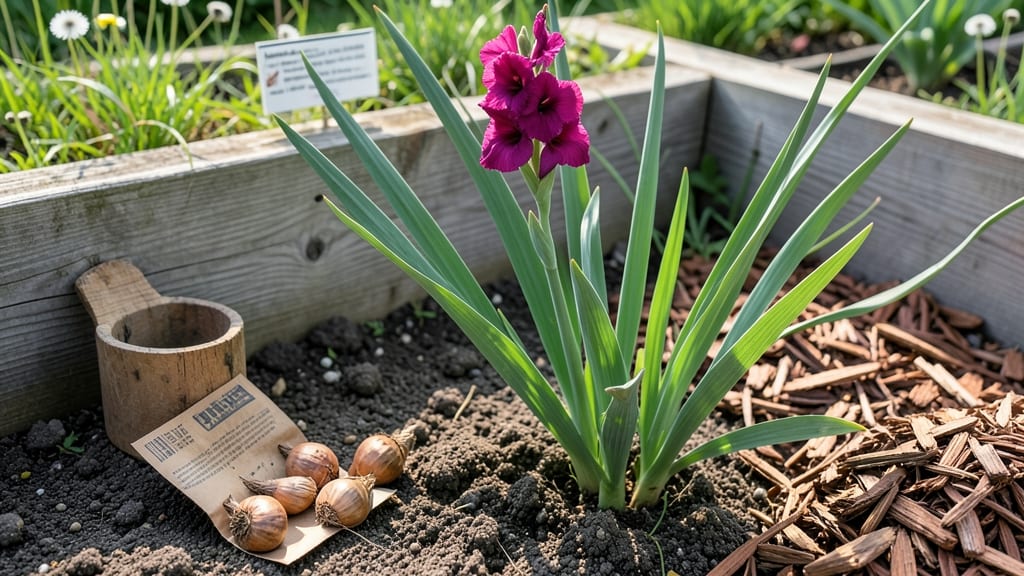
Plant gladiolus bulbs in North Carolina after your last frost date — typically late April for most of the state, with earlier windows in the Piedmont and later in the Mountains.
Timing your gladiolus bulbs perfectly in North Carolina’s humid summers and mild winters can mean the difference between show-stopping blooms and wilted disappointment. A 2-week delay can throw off the entire blooming season, while planting too early risks frost damage to those tender corms.
North Carolina’s USDA Zones 7b and 8a give you a narrow window to work with, but the good news is that gladiolus thrive in warm soil. Aim for 60°F or warmer before sticking those corms in the ground, and you’ll set your plants up for success.
Below, I’ll break down the exact planting schedule by region, how to adjust for early or late blooms, and the critical mistakes to avoid when working with North Carolina’s unpredictable spring weather.
Optimal gladiolus planting dates by North Carolina microclimate (Zone 7b vs 8a)
North Carolina’s diverse microclimates mean your gladiolus bulbs need precise timing to thrive. In Zone 7b (Raleigh/Durham), last frosts average March 15-22, while Zone 8a (Charlotte/Greensboro) sees them March 1-15. Planting too early risks frost damage, but waiting too long delays those stunning summer blooms you crave.
Soil temperature is critical—gladiolus corms need 60°F+ soil to sprout. In cooler Zone 7b, aim for late April plantings, while Zone 8a gardeners can start as early as mid-March in protected beds. Let’s break down the exact windows for each region.
For Zone 7b gardeners, the April 15-May 10 window ensures your gladiolus corms establish roots before summer heat arrives. Test soil with a thermometer—if it’s below 60°F, wait another week.
In Zone 8a, you can push earlier, but avoid planting before March 20 unless using row covers for protection.
Late starters in both zones can still plant through May 15, though expect smaller blooms. The key is soil warmth, not just calendar dates. Use a black plastic mulch to warm soil faster if you’re behind schedule. This trick adds 5-7°F to soil temperature, accelerating sprouting.
Pro tip: Plant every 2 weeks for continuous blooms. Start with 1/3 of your corms in early April (Zone 7b) or late March (Zone 8a), then add batches every 14 days. This staggered approach extends your summer flower display by 6-8 weeks.
Don’t forget fall planting for next year’s blooms! In Zone 7b, plant August 15-September 15 (8-10 weeks before first frost). Zone 8a gardeners can extend until October 1. Store corms in cool, dry conditions (50-60°F) until planting.
Watch for soil moisture after planting—keep it consistently damp but never soggy. Gladiolus roots are shallow, so mulch with straw to retain moisture and suppress weeds. In Zone 8a’s hotter summers, increase mulch depth to 3-4 inches to protect corms from drying out.
Remember: gladiolus thrive in heat, but they hate humidity. Space plants 6 inches apart in rows 18 inches apart to improve airflow. This reduces fungal diseases like botrytis, which plague NC gardens during our sticky summers.
With these microclimate-specific dates, you’ll enjoy bold, healthy blooms from June through September—no more wilted disappointment! 🌺
How to adjust planting time for early vs late blooms in North Carolina
North Carolina’s unpredictable spring transitions can make timing tricky for gladiolus lovers. The key to extended blooms lies in strategic planting adjustments. By staggering your gladiolus corms in two-week intervals, you can create a continuous flower display from early summer through fall.
This works especially well in USDA Zone 7b (like Raleigh) where springs are cooler and Zone 8a (like Charlotte) with warmer springs.
For early blooms, plant your first batch 4-6 weeks before your last frost date—typically mid-March in Zone 8a and late March in Zone 7b. Choose heat-tolerant varieties like 'Green Star' or 'White Prosperity' that thrive in NC’s summer heat.
These early plantings will reward you with June blooms when other flowers may be fading.
To extend your blooming season into late summer and fall, plant successive batches every 2-3 weeks until early June. This creates a rolling bloom effect that keeps your garden vibrant. For fall blooms, plant a final batch in early August to enjoy flowers through October before frost arrives.
🌱 Key Adjustments for NC Gladiolus Timing
- 📅 Early Spring: Plant heat-tolerant varieties 4-6 weeks before last frost for June blooms (Zone 8a: mid-March; Zone 7b: late March).
- 🌡️ Soil Warmth: Wait until soil reaches 60°F+ (use a soil thermometer) to prevent corm rot in cool springs.
- 🔄 Staggered Planting: Add new batches every 2-3 weeks until early June for continuous blooms through fall.
- ☀️ Sunlight: Ensure full sun (6+ hours/day)—NC’s partial shade can delay blooming and weaken stems.
- 🌿 Soil Prep: Amend heavy clay soils with compost or sand to improve drainage and prevent waterlogged corms.
- 🌼 Fall Planting: For late-season blooms, plant early August to enjoy flowers until first frost (mid-November).
Don’t overlook soil preparation—NC’s varied soil types (heavy clay in the Piedmont, sandy loam in the Coastal Plain) require different approaches. For clay soils, mix in organic matter like compost or aged manure to improve drainage.
In sandy soils, add peat moss or coconut coir to retain moisture. Well-prepared soil helps corms establish faster, giving you earlier and more robust blooms.
For gardeners in Zone 7b with cooler springs, consider using black plastic mulch to warm the soil and jumpstart growth. Lay the mulch 2-3 weeks before planting to create a warmer microclimate for your corms.
This trick can shave 1-2 weeks off your planting timeline, giving you earlier blooms in early summer.
Finally, pay attention to local weather patterns. Check your NC State Climate Office for frost predictions and adjust your planting schedule accordingly.
If you’re in a transition zone where frost dates vary yearly, err on the side of planting later—better to wait a week too long than risk losing corms to late-season frost. With these adjustments, you’ll enjoy gladiolus blooms from June through October—a gardener’s dream! 🌺