
Trees
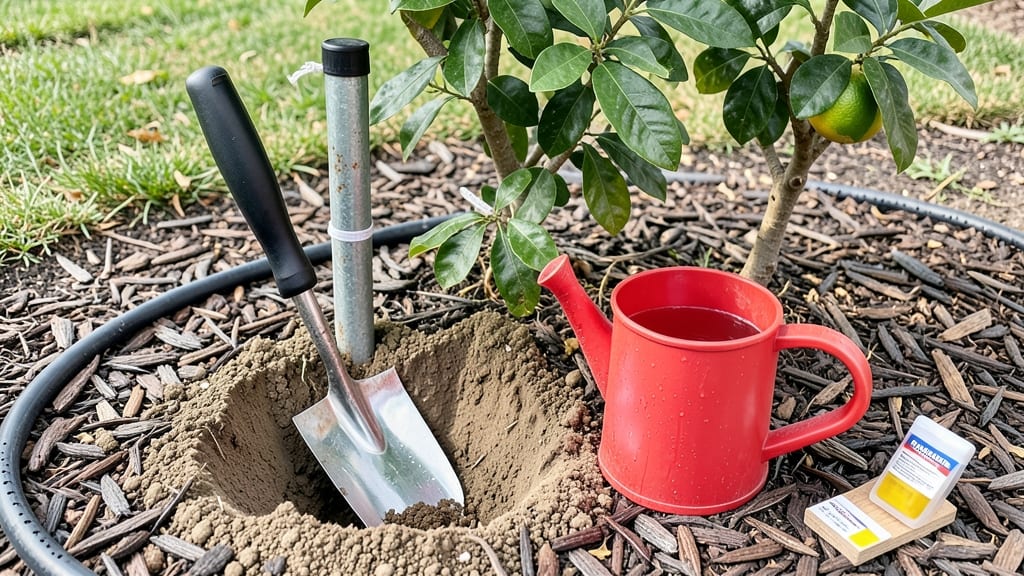
The best time to plant fruit trees in California depends on your microclimate—but late winter to early spring is the golden window for most varieties 🌱.
Planting fruit trees in California isn’t just about the season—it’s about mastering your microclimate to ensure thriving roots and bountiful harvests. Timing wrong could mean struggling trees for years.
Whether you’re in coastal Santa Barbara or the Central Valley, the right month makes all the difference. Too early, and frost zaps young roots; too late, and summer heat stresses them out before they establish.
Below, I break down the exact planting windows for your region, soil prep secrets, and how to pick the best varieties for your climate—so you skip the guesswork and get trees that flourish.
California’s 5 microclimates & their ideal planting months for fruit trees
California’s diverse geography creates five distinct microclimates, each with unique frost patterns and growing seasons. Planting fruit trees at the wrong time can stunt growth or invite disease—especially in dormant-season-sensitive varieties like peaches or citrus.
The key is matching your microclimate to the tree’s chilling hour requirements and soil temperature needs.
For example, coastal areas like San Francisco enjoy mild winters, while inland valleys (like Central Valley) face hard freezes. Desert zones (Palm Springs) can plant year-round, but high-elevation spots (Sierra foothills) demand precise timing to avoid late-spring frosts.
Let’s break down the best months for each zone and why dormancy matters.
Dormancy is critical—most fruit trees need a 200–1,000 chilling hour period to bloom properly. Planting outside these windows can lead to poor fruit set or weak root establishment. Coastal regions, for instance, rarely drop below 40°F, so trees like avocados or figs thrive when planted in November–February.
In coastal microclimates, the window for planting is broader—November through February—because frost is rare. This gives trees time to establish roots before summer heat stress. I’ve seen lemon trees planted in December thrive because the cool, damp soil promotes root growth without competing with summer’s intensity.
Valley regions, however, require February–March planting to avoid winter frosts that can damage young bark. The Central Valley’s rapid temperature swings mean trees need time to harden off before summer’s 100°F+ heat. I always recommend covering newly planted trees with frost cloth if late frosts are forecasted.
Desert zones are unique because they can plant in two windows: fall (October–November) and spring (March–April). The key is avoiding summer’s scorching heat, which can cause transplant shock. I’ve had success with pomegranates planted in March—they establish roots quickly before the monsoon season begins.
High-elevation areas like the Sierra foothills demand patience. Planting in April–May ensures trees miss late frosts, which can kill tender new growth. Varieties like apple trees need 500–800 chilling hours, so timing is everything.
I once lost a cherry tree planted too early—always check your local USDA hardiness zone map!
For Mediterranean climates, the best time is November–January, when cooler temps and higher humidity help roots establish. This is ideal for stone fruits like peaches or nectarines, which need consistent moisture.
I’ve noticed that trees planted in December often bloom earlier the following spring, thanks to the winter rains.
Regardless of microclimate, always amend soil with compost and water deeply after planting. Mulch with wood chips to retain moisture and regulate soil temperature. The goal is to give your fruit tree a 6–8 week head start before summer’s heat or winter’s chill hits.
Pro tip: Use a soil thermometer to check if soil is 60°F+ before planting—this ensures roots won’t
How to adjust planting time for early/bloom-resistant fruit trees
When planting peaches, plums, and cherries in California, timing is everything—especially to avoid late frost damage during their vulnerable bloom phase. These stone fruits thrive when planted at the right moment, balancing root establishment with frost-free windows.
For example, late-winter planting (February–March) in inland zones lets roots grow before spring blooms, while coastal areas benefit from fall planting (November–December) to avoid winter rains.
Your microclimate dictates the best approach. In frost-prone valleys, delay planting until after the last frost date—typically March 15–April 15. Meanwhile, coastal regions with milder winters can plant as early as November to take advantage of winter rains.
The key is aligning planting with your area’s chill hours and bloom timing to ensure fruit set isn’t ruined by unexpected cold snaps.
- 1 Late Winter (Feb–Mar) for inland zones: Plant dormant trees after frost risk passes; roots establish before spring blooms.
- 2 Fall (Nov–Dec) for coastal areas: Take advantage of winter rains to hydrate soil; plant 6–8 weeks before first frost.
- 3 Soil prep trick: Amend with compost + mycorrhizal fungi to boost root growth; aim for pH 6.0–6.5 for stone fruits.
- 4 Water deeply after planting; mulch with wood chips to retain moisture and regulate soil temp—critical for root zone protection.
- 5 Frost-resistant varieties: Choose late-blooming cultivars like ‘Sierra Snow’ peach or ‘Stanley’ plum to extend your harvest window.
For peach trees, which bloom early, prioritize late-winter planting in areas with 300+ chill hours (e.g., Sacramento Valley). In contrast, plum trees adapt better to coastal zones with moderate chill and can handle fall planting if protected from wind.
Always check your USDA Hardiness Zone—California spans Zones 7–10, so adjust timing accordingly.
Soil preparation makes or breaks success. Test your soil’s drainage—stone fruits hate soggy roots. Mix in organic matter like composted manure or aged leaves to improve structure. A well-draining mound (12–18 inches high) prevents waterlogging, especially in clay-heavy soils common in the Central Valley.
For coastal areas, focus on moisture retention with mulch to combat summer drought.
After planting, monitor for early signs of stress like yellowing leaves or stunted growth—these often signal poor root establishment. In high-elevation zones (e.g., Sierra foothills), delay planting until May to avoid late-spring frosts.
Use frost cloth for young trees if nighttime temps dip below 28°F. With the right timing and care, your fruit trees will reward you with years of abundant harvests.