Trees
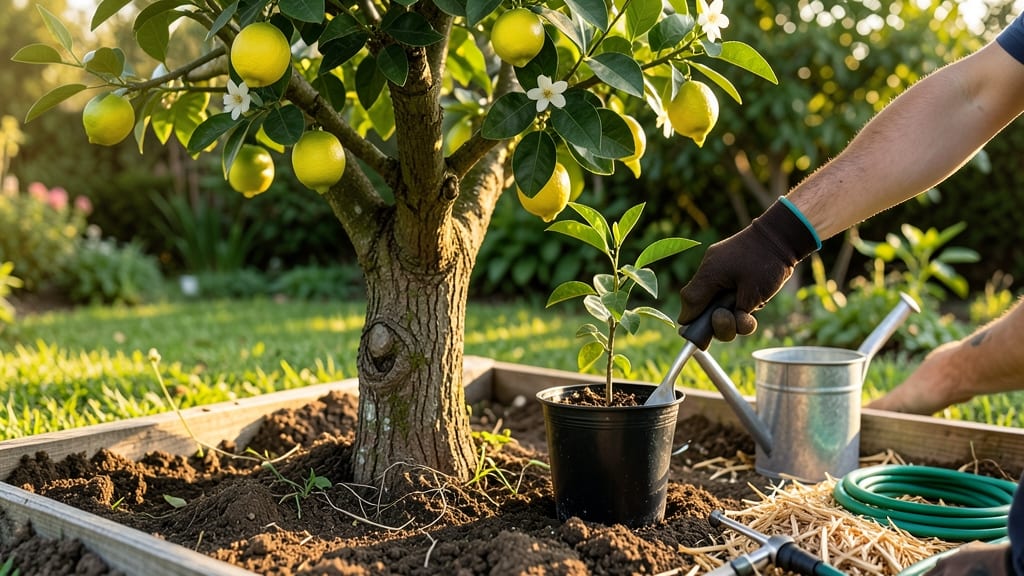
Planting lemon trees in Texas requires knowing the best months to set them in the ground for thriving growth—because a single late frost or summer heatwave can make or break your citrus dreams.
Picture this: you’ve spent months nurturing a young 🍋 lemon tree, only to watch it wilt under a surprise frost in March. Or worse, you plant in June and the scorching Texas sun burns the roots before they take hold.
Timing is the key to avoiding these heartbreaking mistakes—and the good news is, Texas’s long growing season gives you two prime windows to get it right.
For most of the state, late winter to early spring (February through March) is ideal, when soil warms but frost risks fade. But if you’re in South Texas (zones 9b–10b), fall planting in September or October lets you skip the summer heat entirely.
We’ll break down the exact months for your region, plus soil prep tips and microclimate tricks to give your lemon tree the best shot at a bountiful harvest.
Whether you’re digging in-ground or planting in a container, you’ll learn how to time it perfectly—so your lemon tree doesn’t just survive, but thrives from the get-go.
Texas frost-free Zones: where and when to plant lemon trees for survival
Texas spans USDA hardiness zones 6-10, creating dramatic differences in frost risk and planting windows for lemon trees. In Zone 6 (North Texas), frost can linger until mid-April, while Zone 10 (South Texas) enjoys frost-free winters.
This variance means your planting timeline should align with your local last frost date—not just the calendar.
Lemon trees (Citrus × limon) thrive in zones 9-11 but can survive brief cold snaps in Zone 8 with protection. The key is planting during the frost-free window, typically February–April for spring planting or September–October for fall.
This timing lets roots establish before summer heat or winter chill arrives.
Here’s how Texas regions break down for lemon tree planting:
| Texas Region | USDA Zone | Last Frost Date | Best Planting Window | Frost Risk |
|---|---|---|---|---|
| North Texas (Dallas/Fort Worth) | Zone 7b-8a | Mid-March to early April | March–April (spring) or September (fall) | Moderate (10-15°F dips) |
| Central Texas (Austin) | Zone 8a-8b | Late February–March | February–March or September–October | Low (rare below 20°F) |
| South Texas (Houston/San Antonio) | Zone 9a-9b | January 1 (rare) | January–March or September–November | Minimal (occasional 25°F) |
| West Texas (El Paso) | Zone 7a-7b | Mid-April | April–May (spring only) | High (20°F+ dips) |
For North Texas gardeners, the March–April window is critical—planting too early risks frost damage to tender new growth.
In Central and South Texas, you can push planting to January–February since frost is rare. West Texas is the trickiest; opt for container growing or plant in May after all frost risk passes.
Pro tip: Use the Texas A&M AgriLife Extension frost map to pinpoint your exact last frost date. For example, Austin’s average last frost is March 15, while San Antonio’s is January 15.
Planting 4–6 weeks after your local last frost gives roots time to anchor before summer’s 90°F+ heat arrives.
Lemon trees in containers offer flexibility—move potted trees indoors or to a garage during winter months in Zones 7–8. For in-ground planting, choose a sheltered microclimate, like near a south-facing wall, to trap heat and reduce frost risk by 2–5°F.
Soil prep matters just as much as timing. Lemon trees need well-draining, slightly acidic soil (pH 6.0–7.0). Amend heavy clay soil with compost and sand to prevent root rot, a common issue in Texas’ high-heat, low-humidity climate.
Mulch with 3–4 inches of wood chips to retain moisture and regulate soil temperature.
Remember: Spring planting (February–April) is ideal for most of Texas, but fall planting (September–October) works in Zones 9–10. The goal is to establish roots before the first hard freeze—typically November 15 in North Texas and December 1 in South Texas.
With the right timing, your lemon tree could bear fruit in 2–3 years!
🌱
Step-by-step planting timeline: best months by Texas region
Texas’s diverse climate means your lemon tree’s planting schedule depends heavily on where you live.
In North Texas (Dallas/Fort Worth), the last frost typically arrives by mid-February, while South Texas (Houston/San Antonio) enjoys frost-free winters. Central Texas (Austin) falls in between, and West Texas (El Paso) faces extreme heat and cold swings.
Let’s break down the best months for each region to maximize survival and growth.
For all regions, fall (September-October) is the ideal time to plant lemon trees. This gives roots time to establish before winter, while avoiding the brutal summer heat. Spring (February-March) is the second-best window, but timing is critical—plant too late, and your tree may struggle with heat stress.
Always check your local last frost date to avoid early cold snaps.
🌱 Texas Lemon Tree Planting Timeline by Region
-
1
North Texas (Dallas/Fort Worth) – USDA Zones 7b-8a
September 15-October 15: Soil prep (amend with compost, ensure drainage) October 1-November 15: Transplant bare-root trees; mulch heavily February 15-March 15: Plant container-grown trees after last frost
-
2
Central Texas (Austin) – USDA Zones 8a-8b
September 1-October 30: Ideal window for planting (soil temps >60°F) February 1-March 15: Spring planting; use frost cloth if nights dip below 30°F November 15-December 15: Light pruning and winter care (reduce watering)
-
3
South Texas (Houston/San Antonio) – USDA Zones 9a-10a
Year-round planting possible (best: September-October or February-March) January-February: Prune dead wood; fertilize lightly June-August: Provide afternoon shade; increase watering frequency
-
4
West Texas (El Paso) – USDA Zones 7a-8a
September 1-October 15: Only safe window (soil must be warm) November 1-February 15: Protect with windbreaks; reduce watering March-April: Monitor for frost; avoid fertilizing until soil warms
Pro Tip: In all regions, container planting extends your planting window—you can move pots indoors during cold snaps. Use well-draining citrus mix and 10-15 gallon pots for young trees. 🪴
After planting, focus on soil health and watering consistency. Lemon trees hate soggy roots, so amend your soil with organic matter like compost or peat moss. In North and West Texas, mulch with 2-3 inches of wood chips to insulate roots during temperature swings.
For South and Central Texas, prioritize drip irrigation to prevent fungal diseases in humid summers.
Your first year of care sets the stage for fruit production. In Zone 8a and below, young trees may need frost protection (cover with blankets or use a tree wrap) until they’re established.
By Year 3, most Texas-grown lemon trees will reward you with harvest-ready fruit—if you’ve planted at the right time! 🍋
Remember: Patience is key. Lemon trees can take 3-5 years to bear fruit in cooler Texas zones, but with the right planting timeline, your tree will thrive. Start now by checking your local USDA Zone and adjusting these steps to your microclimate. Happy planting! ✂️