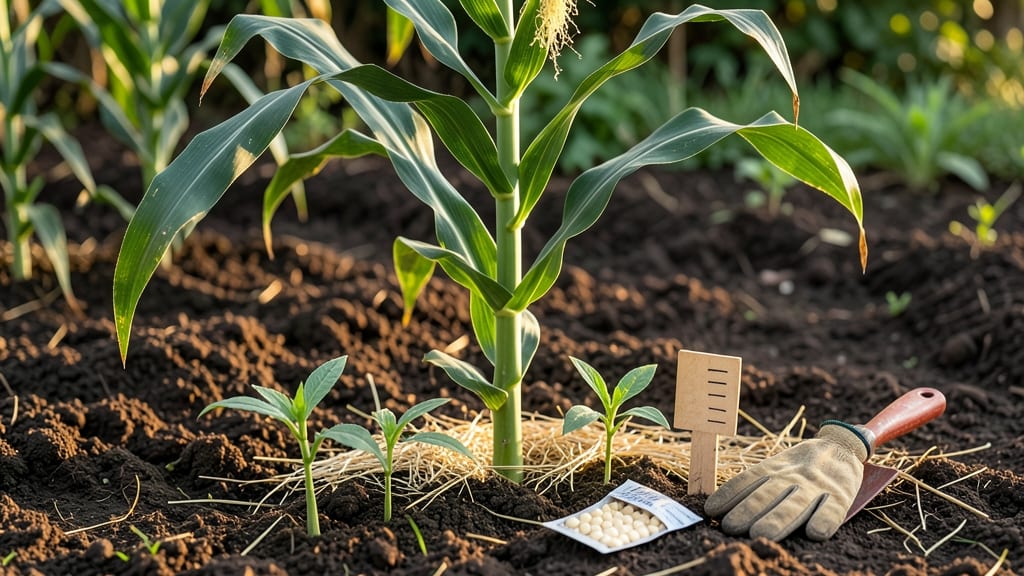
Planting a vegetable garden in Iowa at the right time means the difference between a lush, productive harvest and a sad, stunted mess.
Iowa’s unpredictable spring weather can make or break your vegetable garden—planting at the wrong time means stunted growth or total failure. But with the right timing, you’ll enjoy a bountiful harvest of crisp tomatoes, sweet corn, and fresh herbs all season long.
For Iowa’s USDA Zone 5b, cool-season crops like lettuce and peas should hit the soil 4-6 weeks before your last frost (usually mid-April), while warm-season favorites like tomatoes and peppers need to wait until 2-3 weeks after the frost danger has passed.
Miss those windows, and you’ll end up with leggy seedlings or bolted greens.
Below, I break down the exact planting schedule for your 🥬 vegetable garden, including soil temperature tips, succession planting tricks, and how to adjust for Iowa’s microclimates—so you can maximize your yield without guessing.
🥬
When to Plant Vegetable Garden Garden
Jan
❄️
Feb
❄️
Mar
🌱
Apr
🥬
May
🥬
Jun
🌱
Jul
🥬
Aug
🥬
Sep
🌱
Oct
🍂
Nov
🍂
Dec
❄️
Iowa’s USDA Zone 5b planting timeline: exact dates for cool-season vs. warm-season crops
Timing is everything in Iowa’s USDA Zone 5b—where last frost dates can swing wildly between April 15 and May 10. Planting too early risks frost damage, while waiting too long cuts your harvest window short.
The key? Matching soil temperatures (at least 50°F for warm-season crops) with your garden calendar.
Cool-season crops like lettuce and peas thrive in Iowa’s chilly springs, while tomatoes and peppers need the warmth of late May or June.
Below, I’ve broken down the exact planting windows based on local averages, plus heat-tolerant varieties that perform best in Iowa’s short growing season (about 150–180 frost-free days).
Pro Tip: Use row covers to extend early spring planting by 2–3 weeks, or opt for fast-maturing varieties (e.g., ‘Early Girl’ tomatoes or ‘Sugar Sprint’ peas) to maximize your harvest before frost.
Crop Type
Planting Window
Soil Temp
Heat-Tolerant Varieties
Notes
Cool-Season
March 15–April 30
40–50°F
–
Direct sow or start indoors
Lettuce
March 15–April 15
Aug 15–Sept 15
40–60°F
‘Black Seeded Simpson’
Bolt-resistant
Peas
April 1–May 10
40–55°F
‘Sugar Sprint’
Fast-maturing
Spinach
March 20–April 15
Aug 1–Sept 10
45–55°F
‘Bloomsdale Long Standing’
Cold-hardy
Warm-Season
May 10–June 15
60°F+
–
Wait for soil to warm
Tomatoes
May 15–June 1
60–65°F
‘Early Girl’
55-day harvest
Peppers
May 20–June 10
65°F+
‘Carolina Wonder’
Heat-tolerant
Corn
May 10–June 1
60°F+
‘Golden Bantam’
Short season
Green Beans
How to adjust planting times for Iowa’s microclimates and soil conditions
Iowa’s variable microclimates—from river valleys to hilltops—can shift frost dates by weeks. If your garden sits in a warmer lowland, you might plant peppers 2 weeks earlier than a neighbor on a cooler hillside.
Understanding these differences helps you extend your growing season and avoid frost damage to tender seedlings.
Soil temperature is another critical factor. Cool-season crops like spinach thrive when soil is 40–50°F, while warm-season crops like tomatoes need 60°F or warmer. Using a soil thermometer ensures you plant at the right time, especially in Iowa’s unpredictable springs. Don’t guess—measure!
Here’s how to adjust your planting schedule for Iowa’s unique conditions:
Step 1: Scout Your Microclimate
Observe frost patterns in your yard for 3 years. Note where frost lingers longest (e.g., valleys) and where it warms fastest (e.g., south-facing slopes). Adjust planting dates accordingly.
Step 2: Use Row Covers for Early Planting
Extend spring planting by 2–4 weeks with lightweight row covers. They trap heat, protect from light frosts (28°F), and speed up germination for cold-sensitive crops like cucumbers.
Step 3: Warm Soil Faster with Black Plastic
Lay black plastic mulch 2 weeks before planting to raise soil temperature by 10–15°F. Ideal for warm-season crops like peppers and eggplants in cooler areas of Iowa.
Step 4: Prepare Beds Early with Compost
Add 3–4 inches of compost in fall or early spring to improve drainage and warmth. This helps soil reach planting-ready temps 1–2 weeks faster than untreated beds.
Step 5: Plant Succession Crops for Fall
Start cool-season crops like kale or radishes in late July for a fall harvest. Use row covers to protect from early frosts, extending harvests until mid-October.
Don’t wait until the last minute to prepare your beds. Cold soil slows germination, leading to weak seedlings. Test your soil’s pH and nutrient levels in early spring—aim for 6.0–7.0 pH and add lime or sulfur as needed. A well-prepared bed warms up 30% faster than neglected soil.
For high-value crops like tomatoes or peppers, consider starting seeds indoors 6–8 weeks before your last frost date. This gives you a head start and lets you transplant hardened-off seedlings as soon as soil is warm enough. Use grow lights if natural light is limited in early spring.
Adjusting for Iowa’s microclimates isn’t about rigid rules—it’s about observation and flexibility. Keep a garden journal to track what works each year, and don’t hesitate to replant if frost strikes.
With these tweaks, you’ll turn Iowa’s unpredictable climate into an advantage for a longer, more productive growing season. 🌱
★★★★★5.0(1 review)