How To
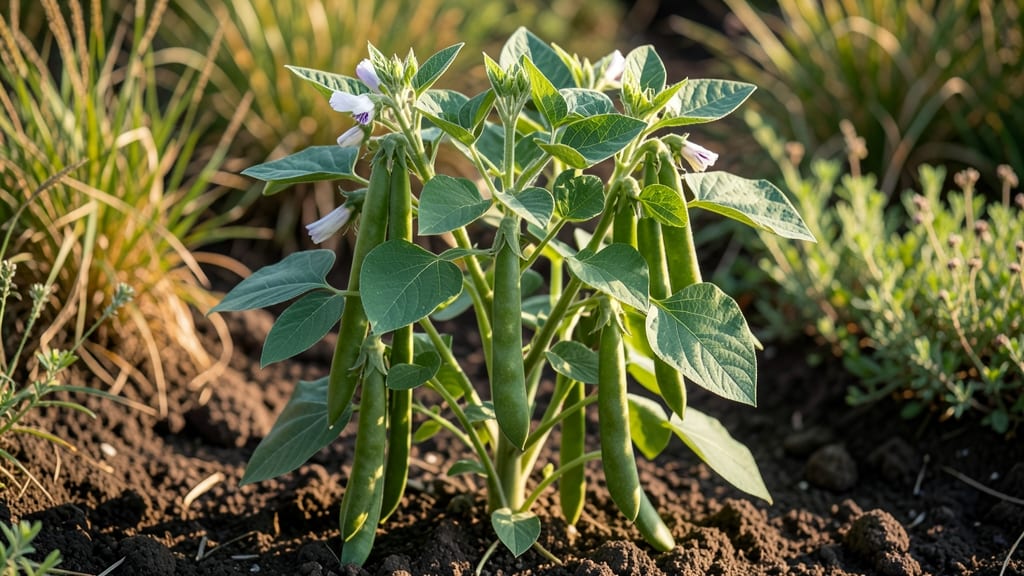
Blue Lake bush beans grow to a compact 18–24 inches tall—perfect for small gardens, containers, or tight spaces where every inch counts.
If you're dreaming of a bountiful harvest but limited garden space, these beans could be your ideal choice—but only if you plan their placement carefully. Their bush variety means no sprawling vines, yet proper spacing and support can make all the difference in yield and ease of harvest.
Unlike pole beans that climb, Blue Lake bush beans stay knee-high or shorter, thriving in full sun and well-draining soil. This makes them a top pick for balcony gardens, raised beds, or even patio pots, as long as you give them 4–6 inches of breathing room between plants.
Below, I’ll break down exactly how to maximize their height—whether you’re trellising for vertical growth or sticking to classic bush habits—plus the best spacing tricks to avoid overcrowding and ensure a steady harvest from July through August.


Blue Lake bush bean height guide: exact growth ranges by variety
If you're planning your garden layout, knowing exactly how tall Blue Lake bush beans grow is essential for maximizing space and yield. These compact plants are perfect for small gardens, containers, or urban plots—but their mature height varies significantly by variety.
Standard Blue Lake beans typically reach 18 to 24 inches, while dwarf varieties stay between 12 to 18 inches. Understanding these differences helps you choose the right variety for your space and growing goals.
The height of your Blue Lake bush beans directly impacts plant spacing, trellising needs, and overall yield. For example, standard varieties need 4 to 6 inches of space between plants to avoid overcrowding, while dwarf types can be planted closer together (3 to 4 inches) for higher density.
Proper spacing ensures each plant gets enough sunlight and nutrients to reach its full height potential.
Blue Lake bush beans are bush-type varieties, meaning they don’t require trellises like pole beans. However, their compact height makes them ideal for vertical gardening in containers or raised beds. Whether you're working with limited space or aiming for a neat, organized garden, knowing their mature height helps you design an efficient layout.
Here’s a quick reference for the most common Blue Lake bush bean varieties and their typical heights:
| Variety | Mature Height | Spacing Needs | Best For |
|---|---|---|---|
| Standard Blue Lake | 18–24 inches | 4–6 inches apart | In-ground gardens, raised beds |
| Dwarf Blue Lake | 12–18 inches | 3–4 inches apart | Containers, small plots, urban gardens |
| Blue Lake Compact | 12–16 inches | 3 inches apart | Window boxes, patio containers |
When planting Blue Lake bush beans, soil quality and sunlight exposure play a huge role in their final height. These plants thrive in well-draining soil with full sun (6–8 hours daily).
If your garden receives less sunlight, your beans may grow shorter and produce fewer pods. Amending your soil with compost before planting ensures strong root development, which supports taller, healthier plants.
Another factor affecting height is harvest timing. If you let pods mature too long, the plant will redirect energy toward seed production instead of growing taller. Harvesting every 2–3 days encourages continuous growth and prevents the plant from becoming leggy or overcrowded.
This practice also boosts yield by keeping the plant focused on producing new pods.
For container gardening, choose dwarf or compact varieties to avoid root competition. A 5-gallon container can comfortably hold 2–3 dwarf Blue Lake plants, while standard varieties may need a 7-gallon container each. Always use well-draining potting mix and place containers in a sunny spot to maximize growth potential.
If you’re growing Blue Lake bush beans in rows, maintain consistent spacing to prevent height stunting. Overcrowding forces plants to compete for nutrients and sunlight, resulting in shorter, weaker stems.
Thin seedlings to the recommended spacing as soon as they sprout to give each plant room to reach its full height and produce abundantly.
Finally, trellising isn’t necessary for bush beans, but you can use small cages or stakes to support taller varieties if needed. This isn’t about increasing height but rather protecting pods from soil-borne diseases and improving airflow. Just avoid overhandling the plants, as bush beans are delicate compared to pole beans.
With the right variety, spacing, and care, your Blue Lake bush beans will reach their ideal height—delivering a bountiful harvest in even the smallest of spaces. Happy gardening! 🌱
Space-saving techniques to maximize yields in small gardens
Blue Lake bush beans thrive in tight spaces, but their 18–24-inch mature height means smart planning is key. With their compact growth habit, you can easily fit 3–4 plants per square foot—ideal for balconies, containers, or small plots.
The secret lies in vertical training and strategic spacing to prevent overcrowding while maximizing sunlight exposure.
Unlike their pole bean cousins, Blue Lake bush beans don’t need trellises to grow upright, but adding one can increase yields by 20–30% by keeping pods off the ground.
Even in small gardens, you can double your harvest by combining vertical supports with companion planting. Let’s explore the best methods to make every inch count.
- 18–24" is the ideal height for Blue Lake bush beans, making them perfect for container gardening or raised beds.
- Space plants 4–6 inches apart to prevent competition for nutrients and airflow improvement.
- Use cage trellises or A-frame supports to grow vertically, saving 30–50% of ground space.
- Pair with shallow-rooted companions like lettuce or radishes to optimize vertical layers.
- Prune lower leaves to improve airflow and reduce disease risk in crowded spaces.
For container gardening, choose pots at least 12 inches deep and use self-watering systems to maintain consistent moisture. Place containers near south-facing walls to maximize sunlight, which is critical for their 18–24-inch growth.
If you’re short on vertical space, opt for dwarf varieties (12–18 inches tall) and interplant with low-growing herbs like thyme or oregano.
Companion planting is another game-changer. Pair Blue Lake bush beans with marigolds or nasturtiums to deter pests while allowing their compact height to coexist harmoniously. Avoid planting near onions or garlic, as these can stunt their growth.
Instead, use the vertical space above to train cucumbers or peas on a trellis, creating a multi-level harvest system.
When trellising, opt for lightweight materials like bamboo stakes or wire cages to avoid damaging the delicate stems of bush beans. Gently weave vines through supports as they grow, ensuring pods stay elevated and dry.
This method not only saves space but also reduces soil-borne diseases by keeping foliage off the ground.
Finally, rotate your container or bed layout each season to prevent soil depletion. Blue Lake bush beans are heavy feeders, so enrich the soil with compost or aged manure before planting.
With these space-saving techniques, you’ll transform even the smallest garden into a high-yielding bean haven—no wasted space in sight! 🌿