
Companion Plants
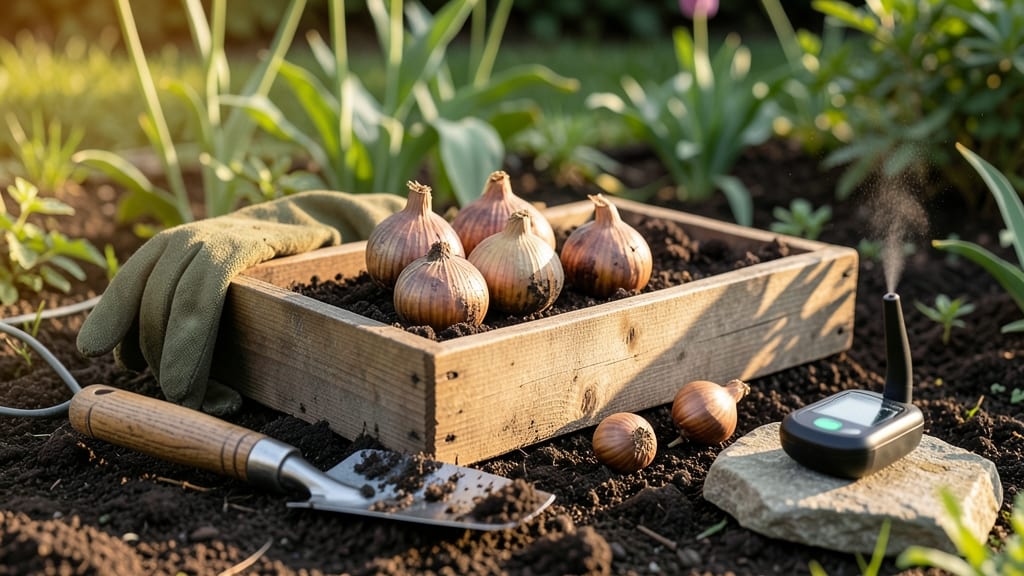
Planting tulips in Northern California between October and December ensures they’ll root before winter’s chill, setting the stage for vibrant spring blooms 🌷 — but timing isn’t one-size-fits-all.
Northern California’s diverse microclimates—from coastal fog to inland valleys—can make tulip planting tricky, but getting it right means the difference between showstopping flowers and disappointment. Too early, and bulbs rot; too late, and they won’t establish before frost.
In this guide, I’ll break down the exact planting windows for your specific USDA zone, how to adjust for coastal vs. valley conditions, and the simple soil prep that keeps your tulips thriving year after year.
You’ll learn how to pick the perfect spot, choose the right bulbs, and even troubleshoot common mistakes—so you can enjoy bold blooms without the guesswork.
Northern California tulip planting calendar by USDA Zone: exact months for zero-frost success
Northern California’s USDA Zones 7b-10 create unique challenges for tulip growers. Coastal areas like San Francisco (Zone 9b) enjoy milder winters, while inland valleys like Sacramento (Zone 9a) face earlier frosts.
To guarantee vibrant spring blooms, timing is everything—plant too early, and bulbs may sprout prematurely; too late, and they won’t establish roots before winter dormancy.
Your last frost date is the golden rule. In most of Northern California, this falls between December 15-30, but coastal zones can delay frost until January 15. Planting 4-6 weeks before your local last frost ensures bulbs develop roots while avoiding winter freeze damage.
For Zone 7b (higher elevations), aim for early October planting, while Zone 10 gardeners can extend planting into mid-December.
Soil temperature is another critical factor. Tulip bulbs need 40-50°F soil to initiate root growth.
Use a soil thermometer to confirm readiness—cooler coastal soils may require earlier planting, while inland areas can wait until late November. Never plant when soil temps exceed 60°F, as this triggers premature sprouting and weakens bulb health.
Here’s your zone-specific planting calendar, accounting for coastal vs. inland microclimates and soil temperature thresholds:
| USDA Zone | Last Frost Date | Ideal Planting Window | Soil Temp Threshold | Coastal Adjustment | Inland Adjustment |
|---|---|---|---|---|---|
| 7b (e.g., Lake Tahoe foothills) | December 1-15 | Early October - Mid-November | 40-50°F | Shift 2 weeks earlier (cooler soils) | Shift 1 week later (warmer soils) |
| 8a (e.g., Santa Rosa) | December 15-30 | Mid-October - Late November | 45-55°F | Shift 1 week earlier | Shift 1 week later |
| 8b (e.g., San Francisco Bay Area) | January 1-15 | Late October - December 15 | 50-60°F | Extend to January 10 (coastal fog protection) | Shift 1 week earlier |
| 9a (e.g., Sacramento) | December 20-30 | Late October - December 1 | 50-60°F | Shift 1 week earlier (cooler coastal pockets) | Extend to December 20 (warmer valleys) |
| 9b (e.g., Redwood Coast) | January 15-30 | November 15 - January 10 | 55-65°F | Best window: December 1-20 (mild winters) | Shift 2 weeks earlier (inland heat) |
| 10 (e.g., Palm Springs) | No frost (year-round) | November 1 - December 31 | 60-70°F | N/A (coastal zones rare in 10) | Plant in containers for mobility |
For Zone 7b-8a gardeners, prioritize early October planting to avoid winter freeze damage. Use 3-4 inches of mulch (straw or shredded leaves) after planting to insulate bulbs.
In Zone 9b-10, where frosts are rare or nonexistent, focus on soil temperature—wait until soil cools to 60°F or below to prevent premature sprouting.
Pro tip: Chill bulbs for 6-8 weeks before planting if your climate is unusually warm (e.g., Zone 10). Store bulbs in a paper bag in the fridge to mimic winter dormancy.
This trick ensures even tropical-like zones produce reliable blooms. Test a few bulbs in containers first to refine your timing before committing to a full garden bed.
After planting, water deeply (1-2 inches) to settle soil around bulbs, then reduce watering to monthly until spring rains return. Avoid overwatering, which causes bulb rot—a common issue in Northern California’s clay-heavy soils.
Amend planting holes with compost or sand to improve drainage, especially in low-lying areas prone to winter saturation.
Remember: Tulips need cold to bloom. Even in mild Zone 10, bulbs must experience 4-6 weeks below 50°F to trigger flowering. If your winter stays too warm, consider forcing bulbs indoors or choosing species tulips (e.g., Tulipa tarda), which tolerate warmer climates better than hybrid varieties.
Mark your calendar now: October 15 is the sweet spot for most of Northern California. By aligning your planting with your zone’s last frost and soil temperature, you’ll enjoy showstopping tulips from April through June—just in time for spring’s arrival. 🌷
How to adjust tulip planting for Northern California’s microclimates: coastal fog vs. valley heat
Northern California’s coastal fog belts and inland heat valleys create wildly different conditions for tulip growers. In San Francisco’s chilly coastal zones, persistent fog delays soil cooling, while Sacramento’s valleys experience rapid temperature swings that can shock bulbs.
These microclimates demand tailored approaches to planting depth, mulching, and timing to ensure your tulips thrive.
For coastal areas, aim to plant bulbs between mid-October and November—when soil temps drop below 60°F but before persistent fog locks in moisture too early. In hotter inland regions, shift your window to late October through December, allowing bulbs to establish roots before winter’s first frost.
The key? Adjusting for your specific last-frost dates and soil conditions.
🌷 Key Adjustments by Microclimate
✅ Plant mid-October–November
✅ 6–8" depth (extra depth for moisture retention)
✅ Light mulch (3–4" straw)
✅ Plant late October–early December
✅ 6" depth (standard for balanced drainage)
✅ Moderate mulch (4–5" leaves/compost)
✅ Plant late October–December
✅ 5–6" depth (shallower for faster rooting)
✅ Heavy mulch (6" straw/wood chips)
💡 Pro Tip: Test soil moisture weekly—coastal areas stay damp longer, while inland zones dry out faster.
Soil preparation is where microclimate adjustments really matter. Coastal gardens often have clay-heavy, slow-draining soils that can suffocate bulbs, so amend with compost and coarse sand to improve aeration. Inland areas, meanwhile, may have sandy, nutrient-poor soils—mix in aged manure or worm castings to retain moisture and feed roots.
Always aim for well-draining soil; tulips hate soggy feet.
Mulching strategies also shift by location. Coastal gardeners should use a light layer of straw (3–4 inches) to protect bulbs from persistent fog moisture, which can cause rot.
Inland growers, however, need a thicker mulch (5–6 inches)—like wood chips or shredded leaves—to insulate bulbs from temperature swings and retain precious winter moisture. Apply mulch after planting but before the first frost hits.
Bulb depth is another critical tweak. In cooler coastal zones, plant tulips 6–8 inches deep to account for high moisture levels that can rot shallow bulbs. Inland, where soils dry out faster, 5–6 inches deep encourages quicker root establishment.
Use a trowel or bulb planter to dig holes, place bulbs pointy-end up, and cover with soil—no need to fertilize at planting.
Finally, watch for premature sprouting in warm microclimates. If your tulips push shoots in December or January, protect them with row covers or extra mulch to prevent frost damage.
Coastal areas rarely face this issue, but inland zones can experience false springs—always monitor weather forecasts and adjust your timeline accordingly.