
Plants
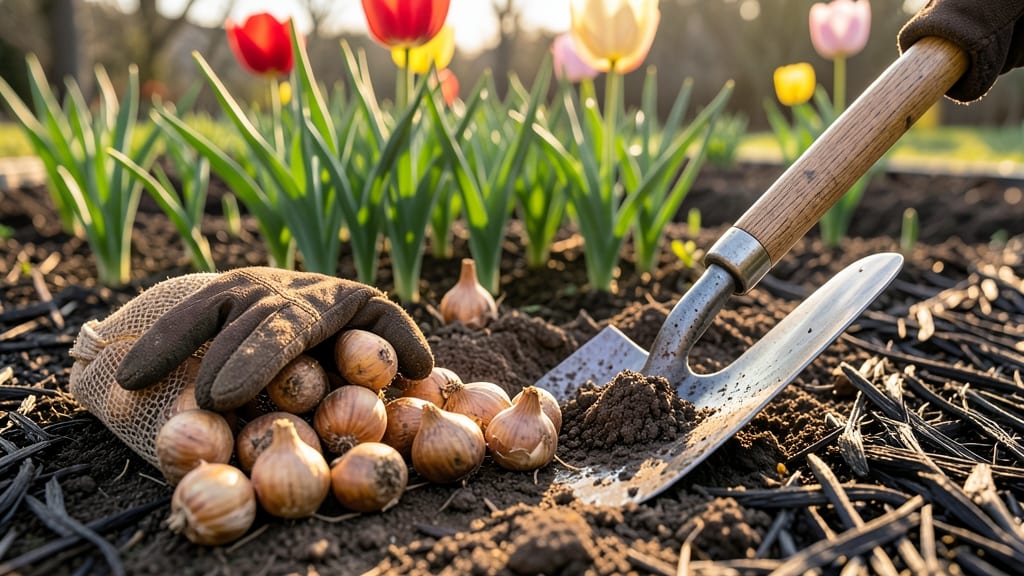
Planting tulip bulbs in Dallas between October and November ensures they root before the first frost, setting the stage for stunning spring blooms 🌷.
Dallas gardeners know timing is everything—plant too early, and a late frost can ruin your blooms. Too late, and you might miss the ideal window for vibrant spring flowers. Here’s the exact science-backed schedule to ensure your tulips thrive in North Texas’ unpredictable climate.
With USDA Zone 8a temperatures dropping fast after mid-November, bulbs need 4–6 weeks to establish roots before the ground freezes. That means October is your safest bet, but November still works if you act quickly.
Below, I’ll break down the exact months to plant, how to adjust for Dallas’ microclimates, and the best varieties that handle our late frosts—so you can enjoy tulips that pop in April and May.
Best months to plant tulip bulbs in Dallas (with frost risk data)
Dallas sits in USDA Zone 8a/8b, where soil temperatures and frost dates dictate the perfect window for planting tulip bulbs. The ideal planting window spans from mid-October to early December, aligning with Dallas’ average first frost date of November 15–December 5.
Planting too early risks premature sprouting before winter dormancy, while late planting may delay root establishment, reducing next spring’s blooms.
Tulip bulbs need 4–6 weeks of cool soil (50–60°F) to develop roots before winter. In Dallas, this means starting by October 15 at the latest for optimal growth. Bulbs planted after November 20 may struggle to establish roots before the ground freezes, leading to weaker or fewer flowers.
Here’s how Dallas’ microclimates and soil conditions impact planting success. Urban areas often experience heat islands, delaying frost by 1–2 weeks, while elevated garden beds may freeze earlier. Adjust your schedule based on your specific location’s frost history.
If you plant in mid-October, your tulips will have 6+ weeks to establish roots before Dallas’ average frost. This timing maximizes bloom size and stem strength, ensuring vibrant spring displays.
For Darwin Hybrid tulips, which are hardier, you can push the window slightly later—up to November 1—without significant risk.
Late plantings in November or December are risky but can work in protected microclimates, like south-facing beds or container gardens. Use extra mulch (4–6 inches) to insulate bulbs and consider container planting for flexibility. However, expect smaller blooms or delayed flowering compared to ideal timing.
Dallas’ USDA Zone 8a/8b means bulbs can survive winter, but root development is critical. Aim to plant when daytime highs average 60–70°F and nighttime lows drop below 50°F. This typically aligns with late October, giving bulbs enough time to root before the ground cools further.
For container-grown tulips, you can extend the planting window by 2–3 weeks by moving pots to a protected location (e.g., garage or shed) during extreme cold snaps. This method is ideal for late November plantings but requires monitoring soil moisture and temperature fluctuations.
Pro tip: Test your soil temperature before planting using a soil thermometer. Tulip bulbs need consistent temps below 60°F for 4+ weeks to trigger dormancy. If your soil stays warm, delay planting until mid-November to avoid premature sprouting.
Remember, Dallas’ frost dates vary yearly. Check
How to adjust your planting schedule for Dallas’ microclimates
Dallas’ urban sprawl creates microclimates that can shift your tulip planting window by 2–3 weeks. A shaded backyard might stay cooler longer, while a paved parking lot nearby can bake your soil faster.
Understanding these variations lets you plant outside the standard October–November window—sometimes earlier, sometimes later—without risking frost damage.
Start by identifying your garden’s heat exposure. Urban areas with concrete and asphalt (like downtown Dallas) can be 5–10°F warmer than rural spots. Use a soil thermometer to check temperatures: tulip bulbs need 60–65°F soil to root properly.
If your soil hits this range in September, you can plant early—just add extra mulch to insulate bulbs.
- 🌡️ Test soil temps weekly in September—plant when 60–65°F is consistent for 3+ days.
- 🏙️ Urban heat islands? Plant 1–2 weeks earlier (late September) with 3-inch mulch.
- 🌳 Shaded or elevated areas? Wait until mid-November—soil stays cooler longer.
- 🪴 Containers? Use black pots to warm soil faster—plant 2 weeks early.
- 💧 Water deeply after planting to settle soil and prevent air pockets around bulbs.
For elevated garden beds or north-facing yards, delay planting until mid-November. These spots freeze faster, so bulbs planted in October might rot before winter. Instead, opt for later-blooming varieties like ‘Fosteriana’ tulips, which handle cooler soils better.
If you’re unsure, container planting gives you flexibility—move pots to a garage or shed during hard freezes (below 20°F).
Mulch is your secret weapon for extending the planting window. Apply 3–4 inches of straw or shredded leaves after planting to insulate bulbs and lock in moisture. In urban heat islands, mulch also cools soil, letting you plant up to 2 weeks later than rural areas.
Just avoid piling mulch directly against bulb stems—keep it 2 inches away to prevent rot.
Pro tip: Use black plastic mulch in containers or raised beds to absorb heat and speed up soil warming. This lets you plant tulips in early October even in cooler microclimates.
Pair it with a clear plastic dome (like a mini greenhouse) for 2–3 weeks post-planting to boost root growth before winter sets in.
Finally, adjust bulb depth based on your microclimate. In hot, dry areas, plant bulbs deeper (8 inches) to protect them from temperature swings. In cooler, shadier spots, shallow planting (6 inches) lets bulbs access warmer topsoil.
Always plant with the pointy end up—this simple step doubles your success rate in Dallas’ variable climate.