Plants
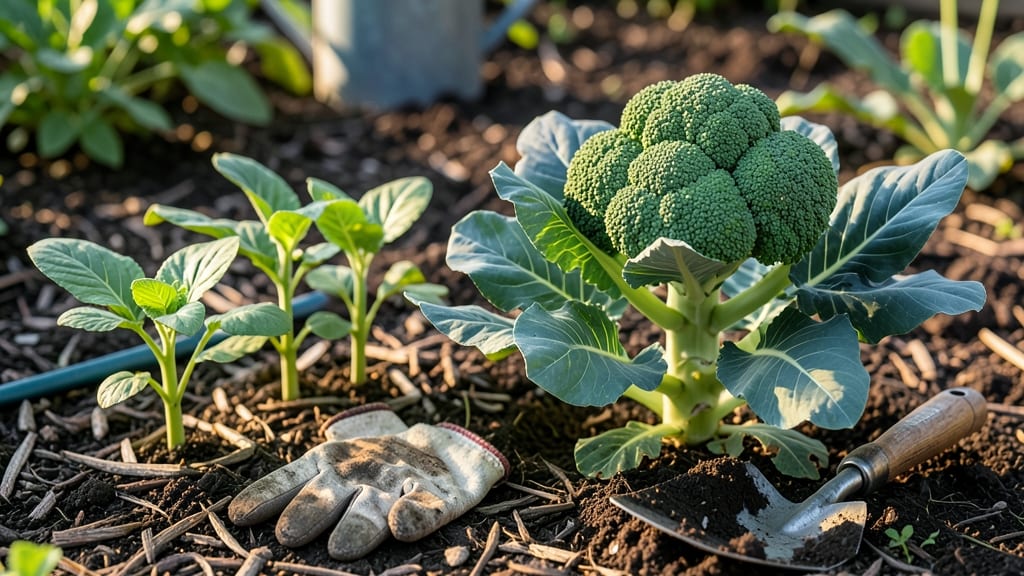
Planting broccoli in Northern California at the right time means the difference between a bountiful harvest and bolting heads that never form. The coastal fog and inland heat create wildly different windows—get it wrong, and you’ll watch your plants race to flower before you can even pick a head.
Northern California’s microclimates—from the cool coastal zones of San Francisco to the warmer valleys around Sacramento—demand precision. Plant too early, and frost will nip your seedlings. Too late, and the heat sends your broccoli 🥦 racing to bolt before you get a single head.
But with the right timing, you can stretch your harvest from spring to fall.
Here’s the secret: Fall planting (August–September) and spring planting (February–March) are your safest bets, but the exact dates depend on where you live. Coastal gardeners in USDA Zone 9b can push spring planting later, while inland Zone 8a growers need to start earlier to avoid summer heat stress.
Below, I’ll break down the exact planting windows for your region, how to prep your soil for success, and the one trick that stops bolting in its tracks—so you can enjoy homegrown broccoli from April through December.
Northern California broccoli planting calendar by microclimate zone
Northern California’s microclimates create unique challenges for growing broccoli. Coastal areas stay cooler and foggier, while inland valleys experience hotter, drier summers. Timing your planting windows correctly ensures you avoid bolting (premature flowering) and maximize your harvest.
The key is understanding your last frost dates and ideal soil temperatures—typically 45–85°F for optimal growth.
For coastal regions like San Francisco and Santa Cruz, the foggy marine layer extends the growing season, allowing for fall and spring plantings. In contrast, the Sacramento Valley and Sierra Foothills have shorter windows due to earlier frosts and hotter summers.
Even the Bay Area can vary—East Bay is warmer than West Marin. Let’s break down the best monthly planting windows for each zone to keep your broccoli thriving.
In coastal zones, aim to plant broccoli seeds in late summer for a fall harvest before the first frost hits in mid-November. The cool marine air helps prevent bolting, but soil should be warm enough (50–70°F) to encourage germination.
For spring plantings, start seeds indoors in February and transplant outdoors after the last frost in early January.
The Bay Area offers a slightly longer window due to its mild winters. Plant fall broccoli between August 1 and September 10, ensuring seeds go in before soil cools too much.
For spring, transplant seedlings in late February or early March when soil temperatures reach 55–75°F. This zone benefits from succession planting—sow new seeds every 2–3 weeks to stretch your harvest.
Gardeners in the Sacramento Valley face hotter summers and earlier frosts, so timing is critical. Plant fall broccoli in late July or early August to avoid the summer heat, which stresses plants and triggers bolting.
For spring, wait until March 1–15 when soil warms to 60–80°F. Use shade cloth in late spring to protect young plants from intense sun.
The Sierra Foothills have a shorter growing season, so focus on early plantings. Start fall seeds by mid-July for a harvest before the October frost. For spring, transplant in early March when frost risk drops.
These areas often see colder nights, so use row covers to extend the season and protect tender seedlings.
Regardless of your microclimate, always test your soil pH (6.0–7.0) and amend with compost before planting. Well-draining soil prevents rot, while consistent moisture keeps heads crisp. Mulch with straw or wood chips to retain soil moisture and regulate
How to avoid broccoli bolting in Northern California’s unpredictable spring
Northern California’s spring weather is famously unpredictable—one day it’s chilly with coastal fog, and the next, temperatures soar into the 80s°F. This volatility triggers bolting in broccoli, causing it to flower prematurely and become bitter.
The key to success? Strategic timing, shade protection, and selecting the right varieties for your microclimate.
Bolting occurs when broccoli senses prolonged warmth or drought stress, shifting energy from head production to seed development. In Northern California, this typically happens between March and May, depending on your elevation.
By combining succession planting, shade cloth, and heat-tolerant varieties, you can extend your harvest window by 4-6 weeks.
⚠️ callout-warning
Northern California’s ideal spring planting window is mid-February to early March for coastal areas and late February to mid-March for inland valleys. Planting after March 15th increases bolting risk due to rising temperatures. Use shade cloth (30-50%) if planting in April to delay heat stress.
✅ Pro Tip: Test soil temperature—broccoli thrives in 45-75°F soil. Use a soil thermometer to avoid planting too early in cold, wet soil.
Start with heat-tolerant varieties like ‘De Cicco’ or ‘Calabrese’, which handle 75-80°F temperatures better than traditional types. These varieties mature faster (50-60 days), giving you a head start before summer heat peaks.
For coastal gardens, ‘Waltham 29’ is a reliable choice due to its cold tolerance and slow bolting rate.
Implement succession planting every 2-3 weeks from February through April. This staggered approach ensures a continuous harvest and reduces the risk of bolting by keeping plants at different growth stages.
For example, plant 1/3 of your seeds in late February, another 1/3 in early March, and the final 1/3 in mid-March.
Shade cloth is your secret weapon against spring heat. Install 30-50% shade cloth over seedlings once daytime temperatures exceed 70°F. This reduces soil and air temperature by 10-15°F, delaying bolting.
Remove the cloth on cooler days to prevent leggy growth. Pair this with drip irrigation to maintain even moisture—broccoli bolts when it experiences drought stress.
Monitor your plants for early bolting signs: yellowing leaves, tall stems, or flower buds. If you catch it early, prune the main head and side shoots to redirect energy.
For severe cases, consider replanting with a fast-maturing variety like ‘Green Goliath’, which can produce a second harvest in 45 days.
With these strategies, you’ll transform Northern California’s unpredictable spring into a broccoli harvest goldmine. The key is adaptability—watch your microclimate, adjust your timeline, and don’t hesitate to use shade or succession planting to stay ahead of the heat. Happy gardening! 🌱