
Companion Plants
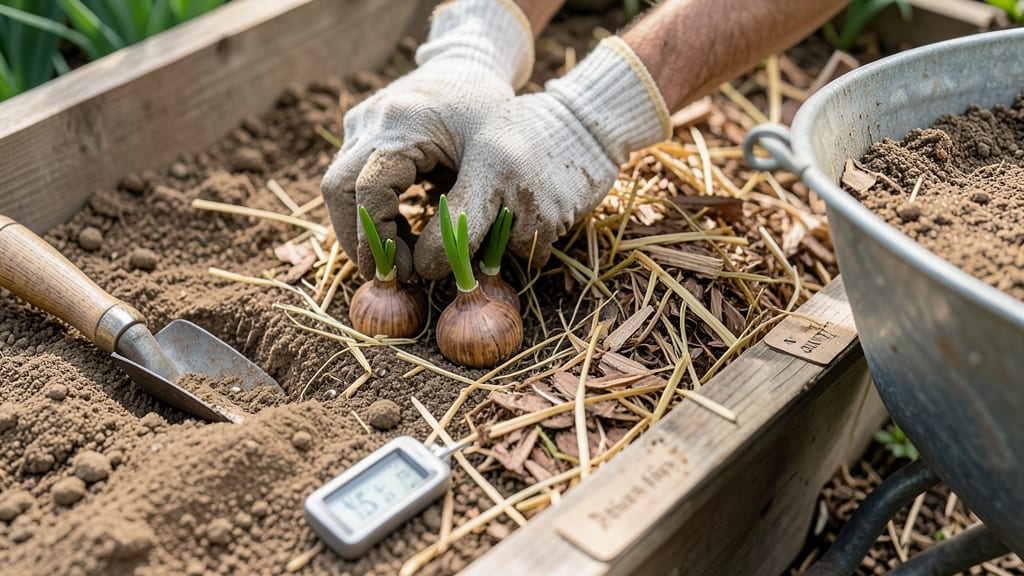
Planting tulip bulbs in Texas requires precise timing to beat the heat and frost—aim for late fall when soil temps dip below 60°F but before hard freezes arrive.
Texas gardeners know the struggle: plant too early, and those 🌷 blooms may pop in winter; wait too late, and frost can damage them before they even sprout. But with the right window—October to December for most zones—you can coax vibrant spring tulips even in Texas’s unpredictable climate.
The key? Understanding your USDA zone (8a–10b) and adjusting for microclimates. North Texas (Zone 8a) needs bulbs in the ground by early December, while Central and South Texas (Zones 8b–10b) can plant as late as November.
Soil prep and mulching are just as critical as timing to protect those bulbs from freeze-thaw cycles.
Below, I’ll break down the exact planting dates by region, soil prep secrets, and the top 5 Texas-tough tulip varieties that thrive with minimal frost stress—so you can enjoy those cheery blooms come April.
Best late fall planting window for Texas tulip bulbs
Timing your tulip bulb planting in Texas is all about beating the first hard frost while avoiding summer heat stress. Unlike northern climates, Texas’s USDA zones 8a-10b offer a shorter window—typically 6-8 weeks before frost arrives.
For most gardeners, this means October through December, but your exact timing depends on where you live in the Lone Star State.
In North Texas (Zone 8a), where frosts can hit as early as December 1, aim to plant by mid-November. Central Texas (Zones 8b-9a) has a slightly longer window, with safe planting until early December.
Meanwhile, South Texas (Zones 9b-10b) gardeners can push planting to mid-December or even early January in sheltered microclimates.
Soil temperature is your best guide—wait until the ground cools to 60°F or below. Use a soil thermometer to check, especially in urban heat islands where pavement retains warmth.
In high desert zones like El Paso, plant bulbs 2-3 weeks earlier than coastal areas to account for rapid nighttime temperature drops.
Here’s how Texas’s three main regions compare for tulip bulb planting, including soil temp targets and frost risk factors:
| Region | USDA Zone | Planting Window | Soil Temp Target | First Frost Date | Microclimate Adjustment |
|---|---|---|---|---|---|
| North Texas | 8a | October 15–November 15 | 60°F or below | December 1 | Plant 1 week earlier in urban areas |
| Central Texas | 8b–9a | October 1–December 1 | 55–60°F | November 15–December 10 | Delay until December in sheltered spots |
| South Texas | 9b–10b | September 15–January 10 | 50–55°F | January 1 (light frosts) | Use chilling treatment for bulbs planted after November |
If you’re in a microclimate like a urban heat island (e.g., Dallas or Houston), plant bulbs 2 weeks earlier than the regional average. Pavement and buildings trap heat, delaying soil cooling.
Conversely, in high desert zones like the Davis Mountains, plant 1-2 weeks later—cold air settles faster in low-lying areas.
For South Texas gardeners in Zones 9b-10b, tulips often need a chilling period to bloom. If planting after November 1, store bulbs in the fridge for 8-10 weeks before planting.
This mimics the winter chill required for flower initiation. Use Darwin Hybrid tulips or Parrot tulips—they’re more forgiving in warm climates.
Pro tip: Mark your planting date on a calendar and set a reminder for 6-8 weeks later to check for early frost warnings. In Texas, a 28°F freeze can damage tulip bulbs, so have row covers ready.
Mulch with straw or shredded leaves (3–4 inches) after planting to insulate bulbs and retain moisture.
Remember, tulip bulbs need 6-8 weeks of cool soil to establish roots before winter. Planting too late risks shallow roots, making bulbs vulnerable to freeze-thaw cycles. Aim for 60°F soil and consistent daytime temps below 70°F—this is your sweet spot for Texas tulip success.
Once planted, water deeply once a week until the ground freezes. In drought-prone areas, like West Texas, add 2 inches of mulch to lock in moisture. With the right timing, your spring tulips will reward you with bold blooms that outshine even the Texas sun.
How to prepare Texas soil for tulip bulbs before planting
Texas soil can be a double-edged sword for tulip bulbs—too heavy and clay-like in some areas, while sandy and fast-draining in others. Without proper prep, your tulip bulbs may rot or fail to bloom.
The key is creating a well-draining, nutrient-rich environment that mimics their native conditions while protecting them from Texas’s freeze-thaw cycles. Start by testing your soil’s pH level—tulips thrive in slightly acidic to neutral soil (pH 6.0-7.0).
If your soil is clay-heavy, amend it with organic matter like composted leaves or well-rotted manure. Aim for a 25-30% organic ratio mixed into the top 12 inches of soil. For sandy soils, blend in peat moss or coconut coir to retain moisture without suffocating roots.
This balance ensures your bulbs get the oxygen and nutrients they need without drowning in water or baking in heat.
Step-by-Step Soil Prep for Texas Tulips
- Test Soil pH: Use a soil test kit to check pH. Adjust with lime (to raise) or sulfur (to lower) if needed.
- Loosen Soil: Dig 12-15 inches deep to break up compaction. Use a broadfork for clay soil.
- Add Organic Matter: Mix in 3 inches of compost or aged manure for nutrients.
- Improve Drainage: For heavy soil, blend in perlite or coarse sand. For sandy soil, add peat moss.
- Level the Bed: Rake soil smooth to create a firm, even surface for planting.
- Mulch Heavily: Apply 4-6 inches of mulch (straw or pine needles) to insulate bulbs.
Drainage is non-negotiable in Texas. Tulip bulbs rot quickly in soggy soil, especially during our unpredictable winter rains. If your yard floods or has standing water after storms, consider planting bulbs in a raised bed or on a slight mound.
Elevate the planting area by 6-8 inches to encourage water runoff. Pair this with a drainage layer of small gravel or crushed rock at the bottom of the hole before adding soil.
Don’t overlook the power of mulching—this is your first line of defense against Texas’s freeze-thaw swings. After planting, cover the soil with 4-6 inches of organic mulch, like straw or pine straw.
This acts as a thermal blanket, keeping bulbs from heaving out of the ground during temperature fluctuations. Mulch also suppresses weeds and retains moisture, reducing the need for frequent watering during dry spells.
For extra protection in USDA Zone 9-10 (South Texas), consider adding a lightweight row cover or even a frost cloth over bulbs during the coldest months. This mimics the chilling period tulips need to bloom.
In North Texas (Zone 8a), focus on deep mulching and planting bulbs in north-facing beds where they receive less direct sun in winter.
Finally, avoid fertilizing at planting—tulips are bulb plants that store energy, not feeders. Wait until November to apply a low-nitrogen fertilizer (like 5-10-10) to encourage root growth without promoting leafy shoots that freeze.
With these steps, your Texas soil will be bulb-ready and set up for show-stopping spring blooms.