
Plants
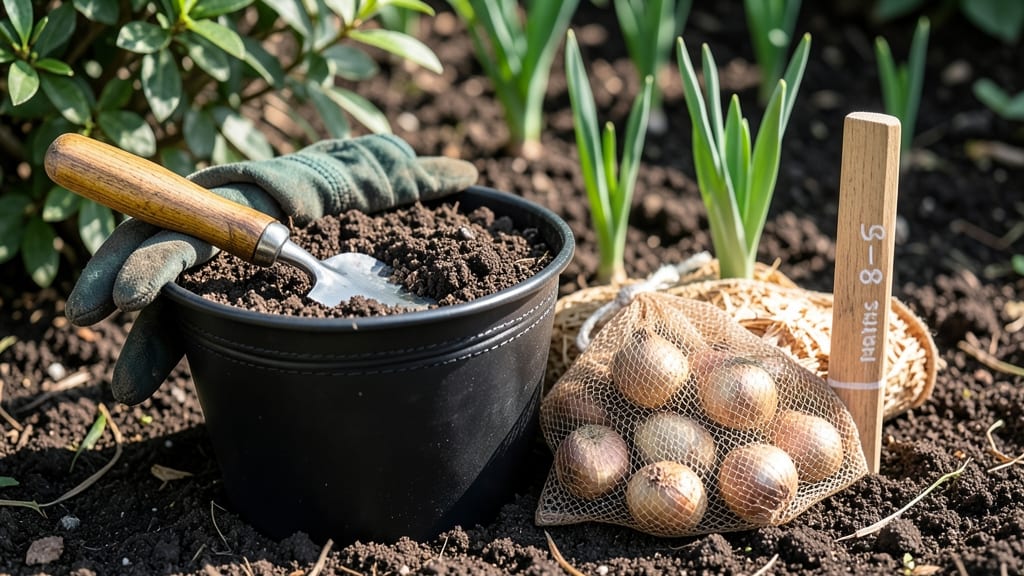
Plant tulips in Mississippi between October and November to beat the first frost and give bulbs time to root before winter chill sets in.
That’s the golden window—but here’s the catch: Mississippi’s 8a zone and warm winters mean bulbs need extra protection. Skip the mulch too early, and you’ll end up with sad, half-bloomed 🌷 stalks by spring.
Below, I’ll break down the exact frost dates by region, how to prep soil for our heavy clay, and the one trick that keeps tulips thriving through our muggy summers.
You’ll also discover which varieties handle humidity best and when to fertilize (or not) once those shoots finally push through in April.
Mississippi tulip planting calendar: best months by frost Zone
Planting tulips in Mississippi’s warm climate requires precision timing to ensure they establish roots before winter arrives. Unlike northern states, Mississippi’s USDA zones 7b-8a mean bulbs must be in the ground 4-6 weeks before the first frost—typically by mid-November.
Miss timing, and your tulips may rot in the heat or fail to bloom. Let’s break down the ideal planting windows by zone and frost risk.
In Zone 7b (northern Mississippi), the average first frost date falls around November 15. This means your planting window is October 1-15, giving bulbs enough time to root before winter.
In Zone 8a (southern Mississippi), where frosts are rarer, you have a slightly longer window—October 15-November 1. However, late planting risks bulbs sprouting too early in spring, weakening their growth.
Here’s why timing matters: Tulip bulbs need 6-8 weeks of cool soil temperatures (below 60°F) to establish roots. Planting too early (September) can cause bulbs to sprout prematurely, while planting too late (December) leaves them vulnerable to winter heat or frost heave.
Balance is key for Mississippi’s unpredictable climate.
⚠️ Critical Note: Mississippi’s humid summers and mild winters create unique challenges. Bulbs planted too early may rot in wet soil, while late plantings risk insufficient root growth. Always check your local frost date averages—they can vary by 1-2 weeks yearly.
For Zone 7b gardeners, aim to plant by October 15 to guarantee bulbs root before frost. In Zone 8a, you have flexibility until November 1, but don’t push it—bulbs need time to adjust to Mississippi’s warm winters.
Pro tip: Use hardy tulip varieties like Darwin Hybrids or Fosteriana, which tolerate heat better than standard types.
Mississippi’s soil temperature is another critical factor. Tulip bulbs need soil to cool to 50-60°F before planting. Check soil temps with a thermometer—if it’s above 65°F, wait a week or two. In northern Mississippi, soil cools faster, while southern areas may stay warm longer, delaying planting.
What if you miss the window? You can still plant tulips in December, but success rates drop. Bulbs planted after November 15 may not flower as vigorously or could suffer frost heave (bulbs pushing out of soil during freeze-thaw cycles).
For late plantings, choose smaller bulbs (size 10-12) and mulch heavily with straw or pine needles for insulation.
Don’t forget to mulch after planting! A 3-inch layer of mulch (straw, leaves, or pine straw) protects bulbs from Mississippi’s temperature swings and retains moisture. Remove mulch in late winter to allow shoots to emerge.
In Zone 8a, where winters are milder, mulching is even more critical to prevent bulbs from overheating during sporadic warm spells.
For container gardening in Mississippi, plant tulips in October and place pots in a shady spot (like under a tree) until spring. Containers heat up faster, so avoid black pots—opt for light-colored or fabric pots to regulate temperature. Water containers weekly until dormancy to mimic in-ground moisture levels.
Mississippi’s humidity can also stress tulip bulbs, making well-draining soil non-negotiable. Amend heavy clay soil with compost or sand to prevent rot. If your garden has poor drainage, plant bulbs on a slight mound or in raised beds.
This simple adjustment can mean the difference between vibrant blooms and failed plantings.
Timing your tulip planting to Mississippi’s frost-free window ensures your bulbs establish roots, survive winter, and reward you with show-stopping spring blooms. Mark your calendar for October-November, prep your soil, and give your tulips the perfect start—because in Mississippi, patience and precision pay off in petals. 🌷
How to extend tulip blooming season in Mississippi’s heat
Mississippi’s sweltering summers can turn tulips into short-lived spring stars unless you take strategic steps. The key to prolonging blooms lies in soil preparation, mulching techniques, and shade management—all tailored to our USDA Zone 8a climate.
Even with our mild winters, tulips need protection from heat stress to rebloom year after year. Let’s explore how to beat the heat and enjoy tulips that last.
First, focus on soil drainage—the #1 enemy of summer tulips in Mississippi is soggy soil. Amend your garden beds with sand or perlite to create a loose, airy mix that prevents bulbs from rotting.
I’ve found that adding composted pine bark (20-30%) to heavy clay soils works wonders for both drainage and moisture retention. This prep step alone can extend your blooming window by 2-3 weeks.
- 1. Mulch with 4+ inches of straw or pine straw after planting. This insulates bulbs from heat spikes and retains moisture during Mississippi’s dry spells.
- 2. Plant dwarf varieties like 'Tiny Star' or 'Sugar Pearl' (10-12" tall). They handle heat better than standard tulips and bloom earlier in spring.
- 3. Provide afternoon shade using lightweight shade cloth (30-50%) or plant near deciduous trees that leaf out after tulips bloom.
- 4. Water deeply but infrequently—aim for 1 inch per week during dormancy (summer/fall) to prevent bulb dehydration.
- 5. Fertilize in fall with bone meal (5-10-0) to strengthen bulbs before summer. Skip spring feeding—it encourages foliage over blooms.
For shade strategies, I recommend using partial shade rather than full shade, which can weaken tulips. Position your tulip beds on the north or east side of structures where they’ll receive morning sun but escape afternoon heat.
If you’re planting near trees, choose fast-growing species like crape myrtle—their summer shade won’t block light until after tulips bloom in April.
Variety selection makes a huge difference in Mississippi’s climate. Darwin Hybrid tulips are my top recommendation—they’re bred for heat tolerance and often rebloom in fall if given proper care. For containers, try 'Parrot tulips', which handle humidity better than standard types.
Pro tip: Plant early-blooming varieties (like 'White Dream') in October and late-bloomers (like 'Black Parrot') in November to stagger your blooming season.
Don’t forget about post-bloom care—this is where many gardeners fail. After tulips finish blooming, let the foliage die back naturally (or 6-8 weeks) to feed the bulb for next year. I’ve seen tulips in Mississippi rebloom for 3+ years when given this simple care.
For extra insurance, add a 2-inch layer of mulch in late summer to protect bulbs from heat stress during dormancy.
With these techniques, you can turn Mississippi’s heat from a blooming obstacle into an advantage. My personal record is 9 weeks of tulip blooms in a single season—all thanks to proper soil prep, strategic mulching, and smart variety choices.
Give it a try, and you’ll enjoy tulips that seem to defy the summer sun! 🌷